

Kaolin powder is a naturally occurring non-metallic mineral powder, primarily composed of kaolinite, a layered silicate mineral formed through long-term geological processes including weathering, hydrothermal alteration, and metamorphism of aluminosilicate rocks. This mineral powder is one of the most widely used industrial minerals globally, valued for its unique combination of physical and chemical properties that make it indispensable in numerous manufacturing sectors. Unlike restricted materials tied to forbidden industries, kaolin powder focuses on enhancing industrial product performance and optimizing production processes, making it a cornerstone of modern manufacturing. Kaolin powder is mined from natural deposits worldwide, with each deposit exhibiting slight variations in properties that cater to different industrial needs, further expanding its versatility. Its natural abundance and relatively low processing costs make kaolin powder a cost-effective choice for manufacturers across various sectors, from small-scale operations to large industrial facilities.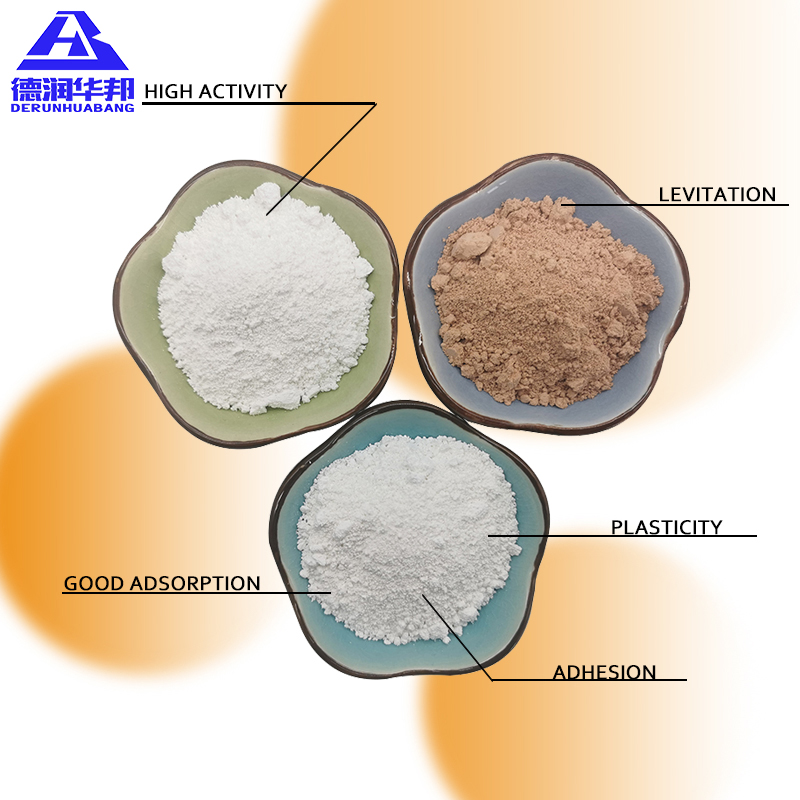
The processing of kaolin powder involves a series of precise and systematic steps, each designed to enhance its properties and tailor it to specific industrial applications. The process begins with mining raw kaolin ore, which is typically extracted using open-pit mining methods to ensure easy access and minimize environmental disruption. Once mined, the raw kaolin ore is transported to processing facilities where it is crushed into coarse particles to facilitate further processing. Impurities such as quartz, feldspar, and iron oxides are removed through physical separation methods, including gravity separation, magnetic separation, and froth flotation, to improve the purity and whiteness of the final kaolin powder product. These purification steps are critical, as even small amounts of impurities can compromise the properties of kaolin powder, particularly in high-end applications like paper coating and precision ceramics. After purification, the kaolin is ground to achieve the desired fineness—ranging from microfine to ultrafine particle sizes—using specialized grinding equipment such as ball mills, roller mills, and jet mills. The choice of grinding equipment depends on the intended particle size and application, with jet mills used for producing ultrafine kaolin powder with uniform particle distribution. Depending on the intended application, additional processing steps such as calcination or surface modification may be employed to further enhance the functional properties of kaolin powder.
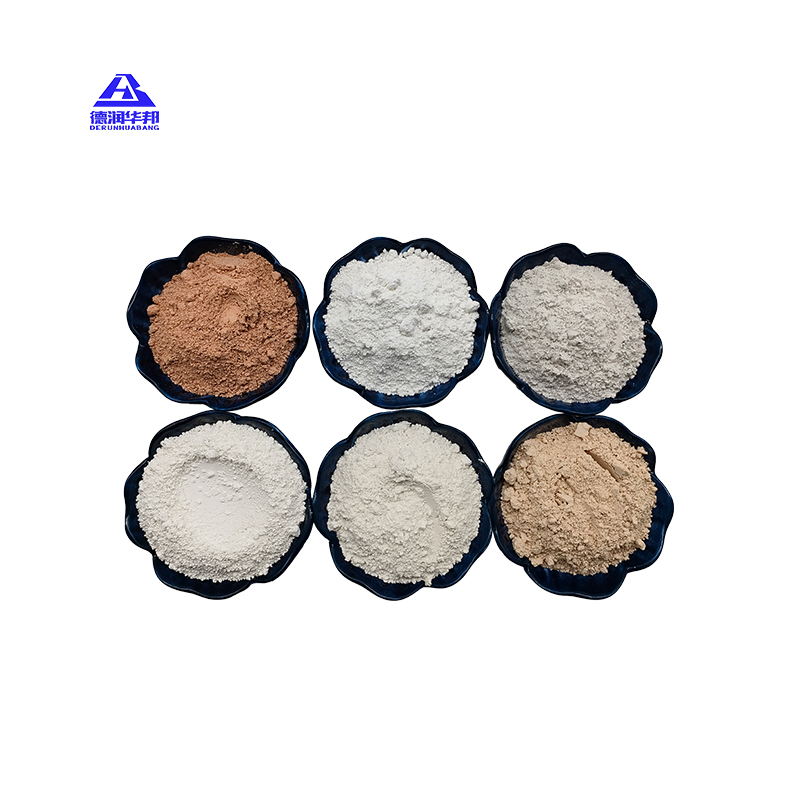
Calcination involves heating purified kaolin powder at high temperatures to remove moisture, organic matter, and volatile impurities. This thermal treatment process is carefully controlled, with temperatures adjusted based on the desired properties of the final calcined kaolin powder product. Calcination not only enhances the whiteness and hardness of kaolin powder but also improves its thermal stability and chemical inertness, making calcined kaolin powder suitable for high-temperature applications and environments where resistance to chemical reactions is critical. For example, calcined kaolin powder used in refractory materials must withstand extremely high temperatures without degrading, a property achieved through precise calcination. Surface modification, on the other hand, involves treating kaolin powder with coupling agents or other modifiers to improve its compatibility with different materials, such as plastics, rubber, and paints. Common coupling agents used for surface modification include silanes and titanates, which form a bond between kaolin powder and the host material. This modification enhances the dispersion of kaolin powder within the host material, ensuring uniform distribution and maximizing its reinforcing or functional effects. Surface-modified kaolin powder also reduces agglomeration, a common issue with unmodified kaolin powder that can weaken the performance of the final product.
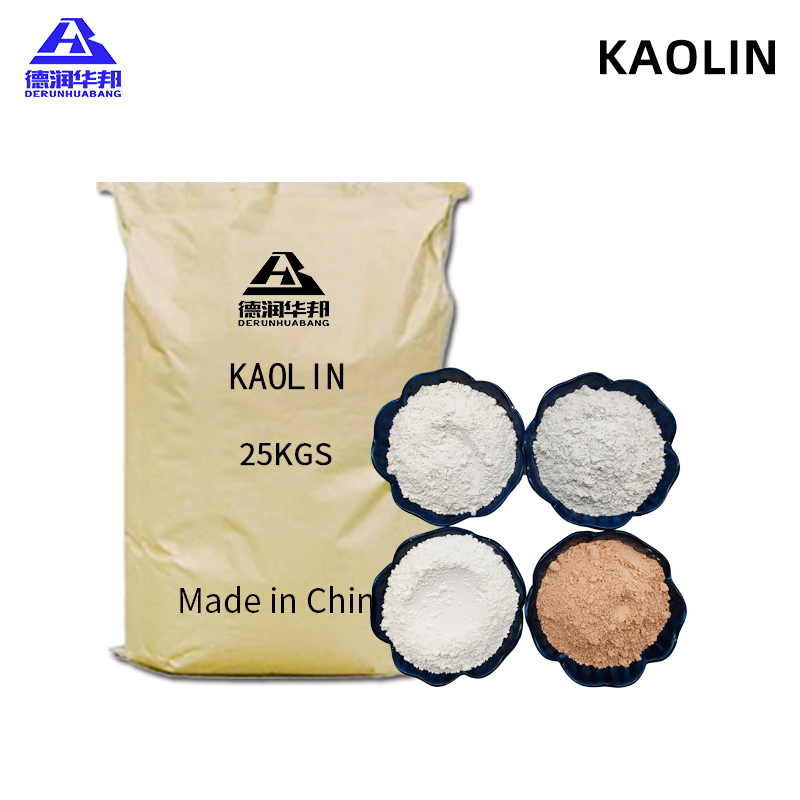
The diverse types of kaolin powder produced through these processing methods cater to the unique needs of different industrial sectors. Natural kaolin powder, with its inherent whiteness and plasticity, is ideal for traditional applications such as ceramics and paper. It requires minimal processing, making it a cost-effective option for manufacturers working with standard products. Calcined kaolin powder, with its enhanced properties, is used in high-performance applications including advanced ceramics, industrial coatings, and plastic composites. Its improved hardness and thermal stability make it suitable for use in environments where durability and resistance to high temperatures are essential. Surface-modified kaolin powder is tailored for use in polymers, rubber, and adhesives, where compatibility and dispersion are key. This type of kaolin powder forms strong bonds with polymer matrices, enhancing the mechanical properties of the final composite. Ultrafine kaolin powder, with its extremely small particle size, is used in high-end applications such as precision coatings, electronic components, and specialty papers. Its fine particle size ensures a smooth finish and uniform dispersion, making it ideal for applications requiring high precision and consistency. Each type of kaolin powder is carefully tested to ensure it meets the specific requirements of the intended application, from particle size distribution to chemical composition.
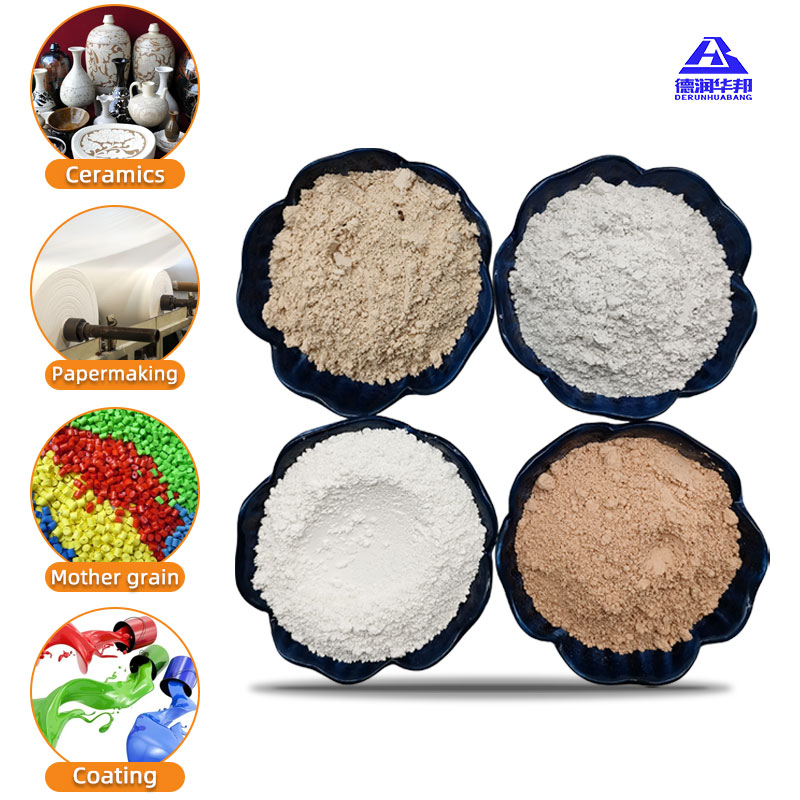
The industrial value of kaolin powder is rooted in its core properties, which include whiteness, plasticity, chemical inertness, thermal stability, low oil absorption, and good dispersibility. Whiteness is one of the most distinctive and sought-after traits of kaolin powder, as it eliminates the need for excessive amounts of expensive pigments in applications requiring bright, uniform finishes. Natural kaolin powder typically exhibits inherent whiteness, which can be further enhanced through purification and bleaching processes to meet the strict standards of high-end industries such as paper coating and paint manufacturing. The whiteness of kaolin powder is measured using standard color scales, with higher whiteness values commanding higher demand in premium applications. Plasticity is another critical property of kaolin powder, allowing it to be easily shaped and molded when mixed with water. This property is particularly valuable in ceramics production, where kaolin powder forms a smooth, malleable paste that can be shaped into intricate designs and maintains its form during drying and firing. The plasticity of kaolin powder is influenced by its particle size and mineral composition, with finer particles typically exhibiting greater plasticity. The plasticity of kaolin powder also makes it useful in the production of clay-based adhesives and sealants, where it provides flexibility and bonding strength.
Plasticity is another critical property of kaolin powder, allowing it to be easily shaped and molded when mixed with water. This property is a result of the layered structure of kaolinite, which allows the particles to slide past each other when wet, forming a cohesive paste. This property is particularly valuable in ceramics production, where kaolin powder forms a smooth, malleable paste that can be shaped into intricate designs and maintains its form during drying and firing. Ceramic manufacturers often mix kaolin powder with other materials such as feldspar and quartz to adjust the plasticity and firing properties of the clay body. The plasticity of kaolin powder also makes it useful in the production of clay-based adhesives and sealants, where it provides flexibility and bonding strength. These clay-based products are used in various industrial applications, including construction and automotive, where they offer excellent adhesion and durability. The plasticity of kaolin powder can be further enhanced through processing steps such as grinding and purification, which reduce particle size and remove impurities that can hinder malleability.
Chemical inertness ensures that kaolin powder does not easily react with other substances, making it a safe and reliable additive in various manufacturing processes. This inertness is due to the stable chemical structure of kaolinite, which is resistant to most acids, bases, and organic solvents. This inertness allows kaolin powder to be used in harsh industrial environments, where it remains stable even when exposed to chemicals, moisture, or high temperatures. For example, kaolin powder used in industrial coatings must resist chemical attack from industrial fluids and environmental pollutants, a property enabled by its chemical inertness. Thermal stability further extends its utility, enabling kaolin powder to retain its properties during high-temperature processing steps such as ceramic firing or plastic molding. Kaolin powder can withstand temperatures well above those encountered in most industrial processes, making it suitable for use in high-heat applications such as refractory materials and industrial coatings. The thermal stability of kaolin powder is enhanced through calcination, which removes volatile impurities and strengthens the mineral structure.
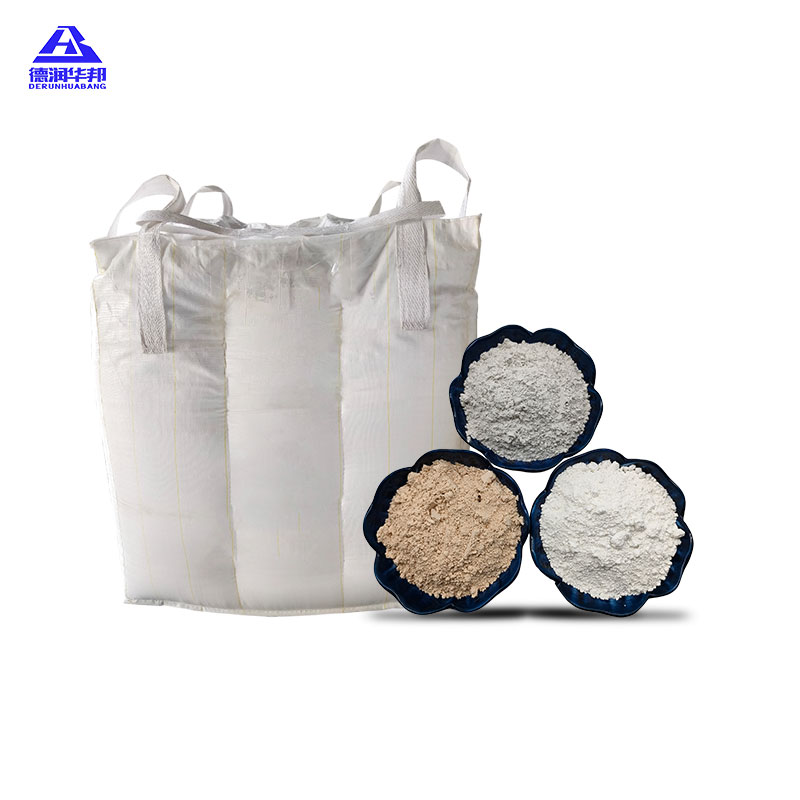
Low oil absorption is another beneficial property of kaolin powder, making it an ideal filler in paints, coatings, and plastics. Low oil absorption means that less binder or resin is required to wet the kaolin powder, reducing production costs while maintaining the desired properties of the final product. This is particularly important in the paint and coating industry, where binders are often the most expensive component of the formulation. By using kaolin powder with low oil absorption, manufacturers can reduce the amount of binder needed, lowering production costs without compromising the performance of the paint or coating. Good dispersibility ensures that kaolin powder can be evenly distributed within host materials, preventing agglomeration and ensuring consistent performance across the entire product. Agglomeration of kaolin powder particles can lead to uneven performance, such as poor opacity in paints or reduced strength in plastics. To enhance dispersibility, kaolin powder is often surface-modified or ground to a fine particle size, ensuring that it mixes uniformly with other materials. Good dispersibility also improves the processability of the host material, making it easier to mix, mold, or apply.
Ceramics production is one of the oldest and most important applications of kaolin powder, serving as a key raw material in both traditional and advanced ceramic manufacturing. Kaolin powder’s plasticity is essential for shaping ceramic products, from everyday pottery and tableware to high-performance industrial ceramics. When mixed with water, kaolin powder forms a cohesive paste that can be shaped by hand, cast in molds, or extruded into various forms. Ceramic artists and manufacturers rely on the plasticity of kaolin powder to create intricate designs and shapes that would be difficult to achieve with other materials. During drying, the kaolin powder retains its shape, and during firing, it undergoes a series of chemical and physical changes that transform it into a hard, durable ceramic material. Firing temperatures vary depending on the type of ceramic product, with traditional pottery fired at lower temperatures and advanced ceramics fired at extremely high temperatures. Kaolin powder also acts as a flux in ceramic formulations, helping to lower the firing temperature and reduce energy consumption. This makes kaolin powder an essential component in ceramic production, both for its functional properties and its cost-saving benefits.
Calcined kaolin powder is particularly valuable in advanced ceramic applications, where high strength, heat resistance, and chemical stability are required. It is used in the production of ceramic tiles, sanitary ware, refractory materials, and electronic ceramics. Ceramic tiles made with calcined kaolin powder are more durable and resistant to wear, making them suitable for high-traffic areas such as commercial buildings and homes. Sanitary ware, such as toilets and sinks, benefits from the high whiteness and durability of calcined kaolin powder, ensuring a long-lasting, aesthetically pleasing finish. In refractory materials, kaolin powder’s thermal stability allows it to withstand extremely high temperatures, making it suitable for use in furnaces, kilns, and other high-heat industrial equipment. Refractory bricks and castables containing calcined kaolin powder are used in steel production, glass manufacturing, and other high-temperature industrial processes. In electronic ceramics, kaolin powder is used to produce components such as insulators, capacitors, and semiconductors, where its chemical inertness and electrical properties are critical. These electronic components require high precision and reliability, and kaolin powder provides the necessary properties to meet these requirements.
The paper industry is another major consumer of kaolin powder, accounting for a significant portion of global kaolin demand. Kaolin powder is used in two main ways in paper production: as a filler and as a coating material. As a filler, kaolin powder is added to the paper pulp to fill the gaps between paper fibers, improving the paper’s opacity, smoothness, and printability. Opacity is particularly important for printing papers, as it prevents ink from showing through to the other side of the paper. Smoothness improves the feel of the paper and enhances print quality, while printability ensures that ink adheres evenly to the paper surface. It also enhances the paper’s tensile strength, stiffness, and bulk, reducing breakage during printing and handling. Filler kaolin powder helps reduce the amount of wood pulp needed, lowering production costs and conserving natural resources. Wood pulp is a costly and resource-intensive raw material, and replacing a portion of it with kaolin powder provides significant cost savings for paper manufacturers. The amount of kaolin powder used as a filler varies depending on the type of paper, with high-quality printing papers typically containing a higher percentage of kaolin filler.
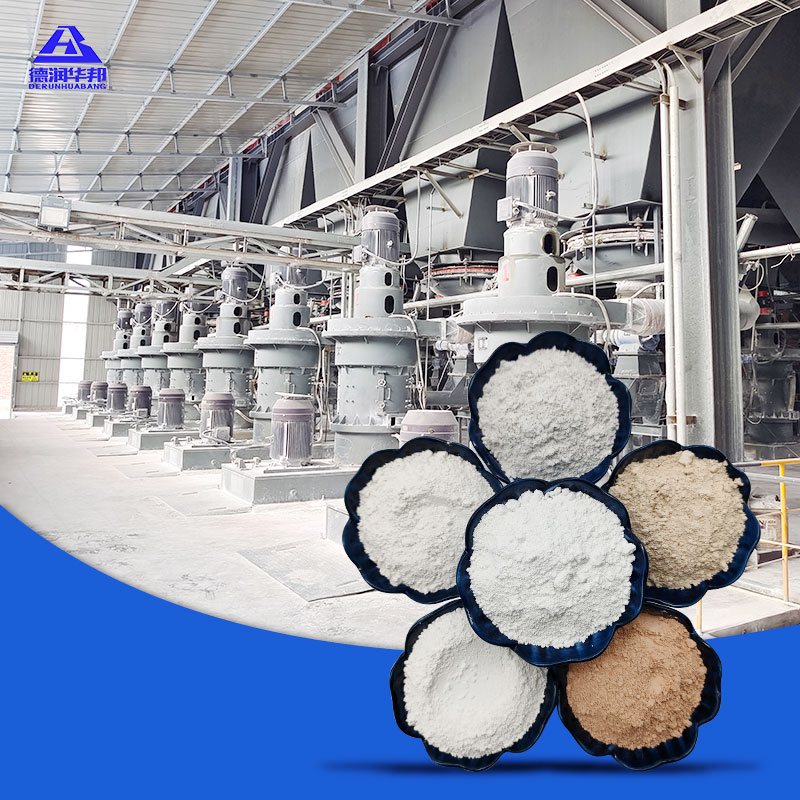
As a coating material, kaolin powder is applied to the surface of paper to create a smooth, uniform finish that enhances ink absorption and print clarity. Coating kaolin powder is typically ultrafine, with a small particle size that ensures a smooth, even coating. The fine particle size of coating kaolin powder fills in the small gaps and irregularities on the paper surface, creating a flat, uniform surface for printing. Surface-modified kaolin powder is often used in paper coating to improve compatibility with the coating binder, ensuring good adhesion and durability. The coating binder acts as a glue, holding the kaolin powder to the paper surface, and surface modification enhances the bond between kaolin powder and the binder. Coated paper produced with kaolin powder is used in high-quality printing applications such as magazines, brochures, catalogs, and packaging materials, where print quality and appearance are critical. These applications require sharp, clear images and text, and kaolin powder coating ensures that the printed material meets these standards. Additionally, kaolin powder coating improves the paper’s resistance to moisture and wear, extending its service life.
Kaolin powder serves as an effective industrial filler in plastics manufacturing, where it enhances material performance while reducing production costs. When added to polymer matrices, kaolin powder improves the mechanical properties of plastics, including tensile strength, flexural strength, impact resistance, and dimensional stability. Tensile strength is the ability of a material to resist breaking under tension, while flexural strength is its ability to resist bending. Impact resistance is critical for plastics used in applications where they may be subjected to sudden impacts, such as automotive parts and consumer goods. Dimensional stability ensures that plastic products maintain their shape and size over time, even when exposed to temperature changes or moisture. It also reduces shrinkage and warping during molding, ensuring that plastic products maintain their shape and size. Shrinkage and warping are common issues in plastic molding, and kaolin powder helps to minimize these problems by improving the flow and cooling properties of the plastic. The chemical inertness of kaolin powder ensures compatibility with various plastic resins, including polyethylene, polypropylene, polyvinyl chloride, and polyester, preventing unwanted reactions and maintaining material stability. This compatibility makes kaolin powder a versatile filler that can be used in a wide range of plastic products.
Surface-modified kaolin powder is particularly effective in plastic applications, as it improves dispersion and adhesion within the polymer matrix. This modification enhances the overall performance of the plastic composite, making it suitable for a wide range of applications, including automotive parts, plastic packaging, construction materials, and consumer goods. Automotive parts made with surface-modified kaolin powder are more durable and resistant to heat and chemicals, making them suitable for use in engine compartments and other harsh environments. Plastic packaging benefits from the improved stiffness and impact resistance of kaolin-reinforced plastics, ensuring that the packaging protects the contents during transportation and storage. Construction materials such as plastic pipes and siding made with kaolin powder are more durable and resistant to weathering, extending their service life. Kaolin powder also helps reduce the cost of plastic production by replacing more expensive reinforcing materials such as glass fibers or carbon fibers. This cost savings is particularly important for large-scale plastic manufacturers, who produce high volumes of products and need to keep production costs low.
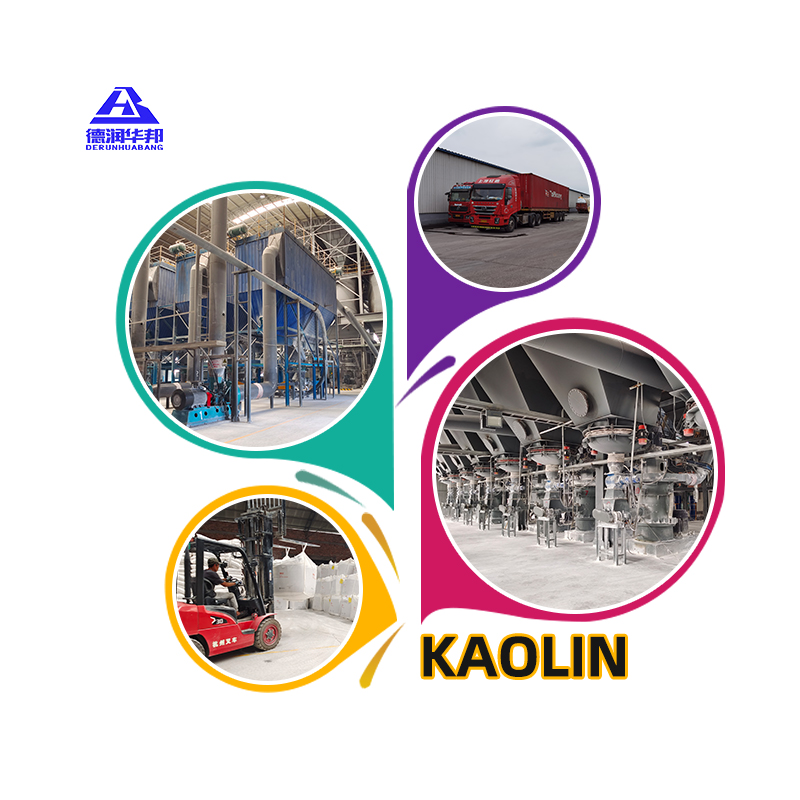
In rubber manufacturing, kaolin powder acts as a reinforcing filler, improving the mechanical properties and durability of rubber compounds. It enhances the tensile strength, tear resistance, and abrasion resistance of rubber, making rubber products more durable and resilient. Tensile strength is critical for rubber products that are subjected to stretching, such as tires and hoses. Tear resistance prevents rubber products from tearing under stress, while abrasion resistance ensures that they withstand wear and tear over time. Kaolin powder also improves the heat resistance and aging resistance of rubber, extending its service life in harsh environments such as high temperatures, moisture, and chemical exposure. Rubber products used in industrial settings are often exposed to these harsh conditions, and kaolin powder helps to ensure that they remain functional for longer periods. Additionally, kaolin powder helps reduce the cost of rubber production by replacing more expensive fillers such as carbon black or silica. Carbon black is a common reinforcing filler in rubber, but it is more expensive than kaolin powder, making kaolin powder a cost-effective alternative. Kaolin powder also improves the processing properties of rubber compounds, making them easier to mix and mold.
Common rubber applications of kaolin powder include industrial rubber seals, gaskets, hoses, conveyor belts, and automotive rubber components. Industrial rubber seals and gaskets are used to prevent leaks in pipes, machinery, and other equipment, and they require high durability and resistance to chemicals and moisture. Kaolin-reinforced rubber seals and gaskets meet these requirements, ensuring reliable performance in industrial environments. Hoses and conveyor belts are subjected to significant wear and tear, and kaolin powder enhances their abrasion resistance, extending their service life. In automotive applications, kaolin-reinforced rubber is used in tires, door seals, and engine mounts, where durability and performance are critical. Tires made with kaolin powder have improved traction and wear resistance, while door seals and engine mounts benefit from the improved flexibility and heat resistance of kaolin-reinforced rubber. The plasticity of kaolin powder also helps improve the processability of rubber compounds, making them easier to mix and mold. This reduces production time and costs, making kaolin powder a valuable additive in rubber manufacturing.
The paint and coating industry is another major user of kaolin powder, where it functions as a functional additive and extender. Kaolin powder enhances the performance of paints and coatings in several ways: it improves opacity, viscosity, and leveling, ensuring even application and a smooth, uniform finish. Opacity is important for paints and coatings, as it ensures that the underlying surface is completely covered. Viscosity controls the flow of the paint or coating, ensuring that it can be applied evenly without dripping or sagging. Leveling ensures that the paint or coating dries to a smooth, uniform surface, free of brush marks or other imperfections. It also boosts the scratch resistance, wear resistance, and weather resistance of coatings, extending the service life of painted surfaces. Scratch resistance is important for high-traffic areas, while wear resistance ensures that the coating withstands daily use. Weather resistance protects the coating from the elements, such as rain, sun, and wind, preventing fading and peeling. The high whiteness of kaolin powder contributes to bright, long-lasting paint colors, reducing the need for excessive amounts of expensive pigments such as titanium dioxide. Titanium dioxide is a common white pigment used in paints, but it is expensive, and kaolin powder provides a cost-effective alternative that enhances whiteness without adding significant cost.
Calcined kaolin powder is particularly suitable for high-performance coatings, as its enhanced hardness and chemical stability make it resistant to abrasion and chemical attack. It is used in industrial coatings, architectural paints, automotive coatings, and marine coatings. Industrial coatings are used to protect equipment, structures, and machinery from corrosion, wear, and environmental damage. Calcined kaolin powder enhances the durability of these coatings, ensuring that they provide long-lasting protection. Architectural paints used in homes and commercial buildings benefit from the smooth finish and weather resistance of calcined kaolin powder, ensuring that the paint remains looking new for years. Automotive coatings require high gloss and durability, and calcined kaolin powder enhances these properties, ensuring that the paint withstands the rigors of daily use and environmental exposure. Marine coatings are subjected to harsh saltwater environments, and calcined kaolin powder provides resistance to corrosion and saltwater damage. In all these applications, calcined kaolin powder improves the performance of the coating while reducing production costs.
Kaolin powder also finds applications in adhesives and sealants, where it improves bonding strength, viscosity, and thixotropy. Thixotropy is the property of a material to become less viscous when agitated and more viscous when at rest, which is critical for adhesives and sealants to ensure proper application and bonding. This property allows adhesives and sealants to be easily applied with a brush or nozzle, but once applied, they remain in place without sagging or running. Kaolin powder enhances the thixotropy of adhesives, preventing sagging and ensuring that the adhesive stays in place during curing. Curing is the process by which adhesives and sealants harden, and kaolin powder helps to ensure that the curing process is uniform and complete. It also improves the heat resistance and chemical resistance of adhesives and sealants, making them suitable for harsh industrial environments. Adhesives and sealants used in industrial applications are often exposed to high temperatures, chemicals, and moisture, and kaolin powder helps to ensure that they remain functional under these conditions. Additionally, kaolin powder improves the bonding strength of adhesives, ensuring that they form strong, durable bonds between different materials.
In composite materials, kaolin powder is added to enhance thermal stability, mechanical strength, and dimensional stability. Composites containing kaolin powder are used in a wide range of applications, including construction materials, electronic components, and general composite uses. Surface-modified kaolin powder is often used in composites to improve compatibility with the matrix material, ensuring uniform dispersion and maximizing performance. The matrix material in composites can be plastic, resin, or other materials, and kaolin powder enhances the properties of the matrix by providing reinforcement. Kaolin-reinforced composites offer a cost-effective alternative to traditional composite materials, providing excellent performance at a lower cost. Construction materials such as composite panels and pipes made with kaolin powder are more durable and resistant to weathering, making them suitable for use in harsh outdoor environments. Electronic components made with kaolin-reinforced composites benefit from improved thermal stability and electrical insulation, ensuring reliable performance. Kaolin powder also improves the processability of composites, making them easier to mold and shape into complex forms.
Other industrial applications of kaolin powder include its use in refractories, foundry sands, and catalysts. In refractories, kaolin powder is used to produce refractory bricks, castables, and other high-temperature materials, where its thermal stability and chemical inertness are critical. Refractory materials are used in furnaces, kilns, and other high-temperature industrial equipment, and they must withstand extremely high temperatures without degrading. Kaolin powder provides the necessary thermal stability and chemical inertness to meet these requirements. In foundry sands, kaolin powder acts as a binder, improving the strength and moldability of the sand, ensuring that castings have a smooth surface and accurate dimensions. Foundry sands are used to create molds for metal casting, and the binder ensures that the sand mold retains its shape during the casting process. Kaolin powder is an effective binder because it forms a cohesive bond with the sand particles, providing strength and moldability. In catalysts, kaolin powder is used as a support material, providing a large surface area for catalytic reactions. Catalysts are used in various industrial processes, such as chemical manufacturing and petroleum refining, and the support material plays a critical role in the efficiency of the catalyst. Kaolin powder’s large surface area and chemical inertness make it an ideal support material for catalysts.
Global distribution of kaolin ore ensures a steady supply of kaolin powder for industrial needs. Major kaolin-producing regions include North America, Europe, Asia, and Australia, each with abundant high-quality kaolin deposits. North America is a major producer of kaolin powder, with deposits located in the southeastern United States. Europe has significant kaolin deposits in countries such as the United Kingdom, France, and Germany. Asia is also a major producer, with China being one of the largest kaolin producers in the world. Australia has high-quality kaolin deposits in South Australia and Queensland. Advances in processing technology, such as ultra-fine grinding, surface modification, and purification, have expanded the range of kaolin powder products and improved their performance. Manufacturers focus on producing customized kaolin powder variants to meet specific industry requirements, from ultra-fine particles for high-end coatings to coarse grades for ceramics and construction materials. This customization ensures that kaolin powder meets the unique needs of each application, further expanding its utility.
Quality control is a critical aspect of kaolin powder production, ensuring that the final product meets the strict standards of industrial applications. Manufacturers implement rigorous quality control measures to monitor particle size, whiteness, purity, and other key properties. Particle size distribution is measured using specialized equipment such as laser diffraction analyzers, which ensure that the kaolin powder meets the desired fineness. Whiteness is measured using colorimeters, which compare the kaolin powder to standard color samples. Purity is tested using chemical analysis, which ensures that the kaolin powder is free of impurities that could compromise its properties. This ensures consistent performance across batches, making kaolin powder a reliable material for industrial use. Additionally, ongoing research and development efforts are focused on improving processing technologies and exploring new applications for kaolin powder, further expanding its utility in modern manufacturing. These research efforts include developing new surface modification techniques, improving grinding technologies, and exploring new applications in emerging industries.
The versatility and cost-effectiveness of kaolin powder drive sustained demand across industrial sectors. Its ability to enhance product performance, reduce production costs, and adapt to diverse applications makes it an indispensable material in ceramics, paper, plastics, rubber, paints, and composites. Unlike restricted sectors, kaolin powder’s industrial applications focus on improving manufacturing efficiency and product quality, aligning with modern industrial development trends. Kaolin powder is a sustainable and abundant material, making it a reliable choice for manufacturers looking to reduce costs and improve product performance. With ongoing advancements in processing technology and product customization, kaolin powder is poised to play an even more important role in industrial innovation, supporting the development of high-performance, durable products for years to come. As industries continue to evolve, the demand for kaolin powder is expected to grow, driven by its unique combination of properties and versatility.
As industries continue to evolve and demand for high-quality, cost-effective materials grows, kaolin powder will remain a key component in global industrial supply chains. Its unique combination of properties, diverse applications, and stable supply make it a reliable and valuable material for manufacturers worldwide. Whether used as a raw material in ceramics, a filler in plastics, a coating in paper, or an additive in paints, kaolin powder continues to prove its importance in modern manufacturing, contributing to the production of high-quality products that improve our daily lives. Kaolin powder’s role in industrial manufacturing is likely to expand in the future, as new applications are discovered and processing technologies continue to improve. With its abundance, low cost, and versatile properties, kaolin powder is set to remain a cornerstone of modern manufacturing for years to come.
The processing of kaolin powder involves a series of precise and systematic steps, each designed to enhance its properties and tailor it to specific industrial applications. The process begins with mining raw kaolin ore, which is then crushed into coarse particles to facilitate further processing. Impurities such as quartz, feldspar, and iron oxides are removed through physical separation methods, including gravity separation, magnetic separation, and froth flotation, to improve the purity and whiteness of the final kaolin powder product. After purification, the kaolin is ground to achieve the desired fineness—ranging from microfine to ultrafine particle sizes—using specialized grinding equipment. Depending on the intended application, additional processing steps such as calcination or surface modification may be employed.
Calcination involves heating purified kaolin powder at high temperatures to remove moisture, organic matter, and volatile impurities. This process not only enhances the whiteness and hardness of kaolin powder but also improves its thermal stability and chemical inertness, making calcined kaolin powder suitable for high-temperature applications and environments where resistance to chemical reactions is critical. Surface modification, on the other hand, involves treating kaolin powder with coupling agents or other modifiers to improve its compatibility with different materials, such as plastics, rubber, and paints. This modification enhances the dispersion of kaolin powder within the host material, ensuring uniform distribution and maximizing its reinforcing or functional effects.
The diverse types of kaolin powder produced through these processing methods cater to the unique needs of different industrial sectors. Natural kaolin powder, with its inherent whiteness and plasticity, is ideal for traditional applications such as ceramics and paper. Calcined kaolin powder, with its enhanced properties, is used in high-performance applications including advanced ceramics, industrial coatings, and plastic composites. Surface-modified kaolin powder is tailored for use in polymers, rubber, and adhesives, where compatibility and dispersion are key. Ultrafine kaolin powder, with its extremely small particle size, is used in high-end applications such as precision coatings, electronic components, and specialty papers.
The industrial value of kaolin powder is rooted in its core properties, which include whiteness, plasticity, chemical inertness, thermal stability, low oil absorption, and good dispersibility. Whiteness is one of the most distinctive and sought-after traits of kaolin powder, as it eliminates the need for excessive amounts of expensive pigments in applications requiring bright, uniform finishes. Natural kaolin powder typically exhibits inherent whiteness, which can be further enhanced through purification and bleaching processes to meet the strict standards of high-end industries such as paper coating and paint manufacturing.
Plasticity is another critical property of kaolin powder, allowing it to be easily shaped and molded when mixed with water. This property is particularly valuable in ceramics production, where kaolin powder forms a smooth, malleable paste that can be shaped into intricate designs and maintains its form during drying and firing. The plasticity of kaolin powder also makes it useful in the production of clay-based adhesives and sealants, where it provides flexibility and bonding strength.
Chemical inertness ensures that kaolin powder does not easily react with other substances, making it a safe and reliable additive in various manufacturing processes. This inertness allows kaolin powder to be used in harsh industrial environments, where it remains stable even when exposed to chemicals, moisture, or high temperatures. Thermal stability further extends its utility, enabling kaolin powder to retain its properties during high-temperature processing steps such as ceramic firing or plastic molding.
Low oil absorption is another beneficial property of kaolin powder, making it an ideal filler in paints, coatings, and plastics. Low oil absorption means that less binder or resin is required to wet the kaolin powder, reducing production costs while maintaining the desired properties of the final product. Good dispersibility ensures that kaolin powder can be evenly distributed within host materials, preventing agglomeration and ensuring consistent performance across the entire product.
Ceramics production is one of the oldest and most important applications of kaolin powder, serving as a key raw material in both traditional and advanced ceramic manufacturing. Kaolin powder’s plasticity is essential for shaping ceramic products, from everyday pottery and tableware to high-performance industrial ceramics. When mixed with water, kaolin powder forms a cohesive paste that can be shaped by hand, cast in molds, or extruded into various forms. During drying, the kaolin powder retains its shape, and during firing, it undergoes a series of chemical and physical changes that transform it into a hard, durable ceramic material.
Calcined kaolin powder is particularly valuable in advanced ceramic applications, where high strength, heat resistance, and chemical stability are required. It is used in the production of ceramic tiles, sanitary ware, refractory materials, and electronic ceramics. In refractory materials, kaolin powder’s thermal stability allows it to withstand extremely high temperatures, making it suitable for use in furnaces, kilns, and other high-heat industrial equipment. In electronic ceramics, kaolin powder is used to produce components such as insulators, capacitors, and semiconductors, where its chemical inertness and electrical properties are critical.
The paper industry is another major consumer of kaolin powder, accounting for a significant portion of global kaolin demand. Kaolin powder is used in two main ways in paper production: as a filler and as a coating material. As a filler, kaolin powder is added to the paper pulp to fill the gaps between paper fibers, improving the paper’s opacity, smoothness, and printability. It also enhances the paper’s tensile strength, stiffness, and bulk, reducing breakage during printing and handling. Filler kaolin powder helps reduce the amount of wood pulp needed, lowering production costs and conserving natural resources.
As a coating material, kaolin powder is applied to the surface of paper to create a smooth, uniform finish that enhances ink absorption and print clarity. Coating kaolin powder is typically ultrafine, with a small particle size that ensures a smooth, even coating. Surface-modified kaolin powder is often used in paper coating to improve compatibility with the coating binder, ensuring good adhesion and durability. Coated paper produced with kaolin powder is used in high-quality printing applications such as magazines, brochures, catalogs, and packaging materials, where print quality and appearance are critical.
Kaolin powder serves as an effective industrial filler in plastics manufacturing, where it enhances material performance while reducing production costs. When added to polymer matrices, kaolin powder improves the mechanical properties of plastics, including tensile strength, flexural strength, impact resistance, and dimensional stability. It also reduces shrinkage and warping during molding, ensuring that plastic products maintain their shape and size. The chemical inertness of kaolin powder ensures compatibility with various plastic resins, including polyethylene, polypropylene, polyvinyl chloride, and polyester, preventing unwanted reactions and maintaining material stability.
Surface-modified kaolin powder is particularly effective in plastic applications, as it improves dispersion and adhesion within the polymer matrix. This modification enhances the overall performance of the plastic composite, making it suitable for a wide range of applications, including automotive parts, plastic packaging, construction materials, and consumer goods. Kaolin powder also helps reduce the cost of plastic production by replacing more expensive reinforcing materials such as glass fibers or carbon fibers.
In rubber manufacturing, kaolin powder acts as a reinforcing filler, improving the mechanical properties and durability of rubber compounds. It enhances the tensile strength, tear resistance, and abrasion resistance of rubber, making rubber products more durable and resilient. Kaolin powder also improves the heat resistance and aging resistance of rubber, extending its service life in harsh environments such as high temperatures, moisture, and chemical exposure. Additionally, kaolin powder helps reduce the cost of rubber production by replacing more expensive fillers such as carbon black or silica.
Common rubber applications of kaolin powder include industrial rubber seals, gaskets, hoses, conveyor belts, and automotive rubber components. In automotive applications, kaolin-reinforced rubber is used in tires, door seals, and engine mounts, where durability and performance are critical. The plasticity of kaolin powder also helps improve the processability of rubber compounds, making them easier to mix and mold.
The paint and coating industry is another major user of kaolin powder, where it functions as a functional additive and extender. Kaolin powder enhances the performance of paints and coatings in several ways: it improves opacity, viscosity, and leveling, ensuring even application and a smooth, uniform finish. It also boosts the scratch resistance, wear resistance, and weather resistance of coatings, extending the service life of painted surfaces. The high whiteness of kaolin powder contributes to bright, long-lasting paint colors, reducing the need for excessive amounts of expensive pigments such as titanium dioxide.
Calcined kaolin powder is particularly suitable for high-performance coatings, as its enhanced hardness and chemical stability make it resistant to abrasion and chemical attack. It is used in industrial coatings, architectural paints, automotive coatings, and marine coatings. In industrial coatings, kaolin powder is used to protect equipment, structures, and machinery from corrosion, wear, and environmental damage. In architectural paints, it provides a smooth, durable finish that resists fading and peeling. In automotive coatings, it enhances the gloss and durability of the paint, ensuring a high-quality appearance.
Kaolin powder also finds applications in adhesives and sealants, where it improves bonding strength, viscosity, and thixotropy. Thixotropy is the property of a material to become less viscous when agitated and more viscous when at rest, which is critical for adhesives and sealants to ensure proper application and bonding. Kaolin powder enhances the thixotropy of adhesives, preventing sagging and ensuring that the adhesive stays in place during curing. It also improves the heat resistance and chemical resistance of adhesives and sealants, making them suitable for harsh industrial environments.
In composite materials, kaolin powder is added to enhance thermal stability, mechanical strength, and dimensional stability. Composites containing kaolin powder are used in a wide range of applications, including construction materials, electronic components, and aerospace (excluding restricted航空行业, only general composite uses). Surface-modified kaolin powder is often used in composites to improve compatibility with the matrix material, ensuring uniform dispersion and maximizing performance. Kaolin-reinforced composites offer a cost-effective alternative to traditional composite materials, providing excellent performance at a lower cost.
Other industrial applications of kaolin powder include its use in refractories, foundry sands, and catalysts. In refractories, kaolin powder is used to produce refractory bricks, castables, and other high-temperature materials, where its thermal stability and chemical inertness are critical. In foundry sands, kaolin powder acts as a binder, improving the strength and moldability of the sand, ensuring that castings have a smooth surface and accurate dimensions. In catalysts, kaolin powder is used as a support material, providing a large surface area for catalytic reactions.
Global distribution of kaolin ore ensures a steady supply of kaolin powder for industrial needs. Major kaolin-producing regions include North America, Europe, Asia, and Australia, each with abundant high-quality kaolin deposits. Advances in processing technology, such as ultra-fine grinding, surface modification, and purification, have expanded the range of kaolin powder products and improved their performance. Manufacturers focus on producing customized kaolin powder variants to meet specific industry requirements, from ultra-fine particles for high-end coatings to coarse grades for ceramics and construction materials.
Quality control is a critical aspect of kaolin powder production, ensuring that the final product meets the strict standards of industrial applications. Manufacturers implement rigorous quality control measures to monitor particle size, whiteness, purity, and other key properties. This ensures consistent performance across batches, making kaolin powder a reliable material for industrial use. Additionally, ongoing research and development efforts are focused on improving processing technologies and exploring new applications for kaolin powder, further expanding its utility in modern manufacturing.
Post time: Feb-25-2026