-

Talc powder for rubber seal production to boost elastic recovery and improve wear resistance while reducing compression set and enhancing seal integrity in high-pressure applications
Talc powder, a versatile and indispensable mineral, plays a pivotal role in the production of rubber seals, revolutionizing the industry with its remarkable properties. In the realm of industrial seals, where reliability and durability are of utmost importance, talc powder emerges as a game-changer, offering a multitude of benefits that enhance the performance and longevity of rubber seals.
One of the key advantages of talc powder in rubber seal production is its unparalleled ability to enhance elastic recovery. In industrial applications, seals are subjected to constant mechanical stress, including repeated compression, stretching, and flexing. For instance, door gaskets in commercial buildings endure frequent opening and closing, while automotive engine seals experience dynamic pressure fluctuations during operation. The fine, lamellar structure of talc powder is crucial in addressing these challenges. At a microscopic level, the talc platelets interlace with the rubber polymers, forming a network that acts like an internal spring. This unique interaction allows the seals to rapidly regain their original shape after compression, ensuring a tight fit even after thousands of cycles.In recent advanced laboratory research, high-speed imaging techniques have been employed to capture the intricate dynamics of this process. These visualizations vividly demonstrate how the talc platelets slide and reorient within the rubber matrix during deformation, facilitating the elastic recovery. Furthermore, comprehensive studies have compared seals formulated with different grades of talc powder, revealing that higher purity and more uniformly sized talc particles lead to even greater elastic recovery improvements. Specifically, seals made with ultrafine, high-purity talc powder have shown an elastic recovery increase of up to 35%, compared to those without talc or with lower-quality talc. This significant improvement in elastic recovery is a crucial advantage for applications that demand long-term reliability, as it helps prevent leakage and maintains the integrity of the sealed system.Wear resistance is another critical factor in the performance of high – performance rubber seals, especially in abrasive environments such as mining machinery, industrial conveyors, and heavy – duty manufacturing equipment. In these harsh conditions, seals are constantly exposed to friction and abrasion, which can lead to premature wear and failure. Talc powder’s platelet morphology provides a self – lubricating effect, acting as tiny, embedded bearings within the rubber matrix. When the seal comes into contact with mating surfaces, the talc platelets slide against each other, reducing frictional heat and minimizing surface abrasion.Moreover, recent tribological studies have delved deeper into the self-lubricating mechanism of talc in rubber seals. These studies have shown that the surface chemistry of talc plays a role in reducing adhesion between the seal and mating surfaces, further enhancing the lubrication effect. In real-world applications, field tests have been conducted in multiple mining operations around the world. In a large-scale copper mining site in South America, for example, talc-infused seals in conveyor belt systems lasted an average of 60% longer than standard seals. This extended lifespan translates into significant savings in maintenance costs, as fewer seal replacements are required over time. Additionally, the inert chemical nature of talc powder prevents degradation from environmental factors such as moisture, chemicals, and UV radiation, ensuring consistent performance throughout the seal’s service life. In coastal industrial facilities where seals are exposed to saltwater spray and high humidity, talc-modified seals have maintained their integrity far better than unmodified ones, highlighting the mineral’s protective capabilities.Compression set is a persistent challenge in rubber seal engineering, particularly in applications where seals are exposed to sustained pressure for extended periods. Examples of such applications include deep – sea submersible gaskets, which must withstand the immense pressure of the ocean depths, and high – altitude aircraft seals, which are subjected to varying pressures during flight. Talc powder mitigates the issue of compression set through a dual mechanism. Firstly, it reinforces the rubber’s cross – linking structure, enhancing its resistance to deformation under pressure. Recent polymer science research has used advanced spectroscopy techniques to analyze the chemical bonds within rubber compounds with talc powder, confirming the strengthening of cross-links. Secondly, it provides physical support to the polymer chains, preventing excessive stretching and permanent deformation of the material’s microstructure.In extreme conditions, such as in cryogenic applications where temperatures can drop to -196°C, talc powder’s role becomes even more crucial. Specialized testing facilities have been used to simulate these harsh environments, and the results are remarkable. Talc-modified seals in cryogenic pipelines have maintained a seal integrity rate of over 98% after 10,000 hours of continuous operation, compared to around 85% for unmodified seals. By maintaining the dimensional stability of the seal under prolonged stress, talc powder ensures that the seal retains its sealing effectiveness over time. This outstanding performance makes talc – enhanced rubber seals the preferred choice for applications where reliability and safety are non – negotiable.In high – pressure systems, such as hydraulic cylinders, natural gas pipelines, and oil and gas extraction equipment, seal integrity is of paramount importance. Any failure in the seal can lead to catastrophic consequences, including leaks, equipment damage, and environmental hazards. Talc powder plays a crucial role in ensuring seal integrity by acting as a stress distributor. Its flat particle geometry allows it to evenly disperse applied forces across the seal’s surface, preventing localized stress concentrations that could lead to premature failure.Modern computational fluid dynamics (CFD) simulations have become even more sophisticated, taking into account factors such as temperature gradients and fluid flow patterns within the seal. These enhanced simulations have shown how the unique particle orientation of talc aligns with pressure vectors, effectively increasing the load – bearing capacity of the seal by up to 40%. In addition, finite element analysis (FEA) has been used to study the mechanical behavior of seals with talc powder under different loading conditions. The combined insights from CFD and FEA have provided a more comprehensive understanding of how talc powder improves seal performance. This enhanced load – bearing capacity enables the seal to withstand higher pressures without compromising its integrity, which is essential for the safe and efficient operation of high-pressure systems.Another significant advantage of talc powder in rubber seal production is its compatibility with various rubber compounds. Whether it is ethylene propylene diene monomer (EPDM), nitrile butadiene rubber (NBR), or silicone rubber, talc powder can be easily incorporated into the formulation to achieve the desired properties. This versatility allows manufacturers to customize the rubber seal formulation based on the specific operational requirements of the application.For example, in the chemical processing industry, where seals need to resist a wide range of aggressive chemicals, talc powder can be combined with NBR to create a seal that offers excellent chemical resistance. Laboratory chemical immersion tests have shown that talc – NBR seals can withstand exposure to strong acids and alkalis for extended periods without significant degradation. In the aerospace industry, where high – temperature resistance is required, talc – enhanced silicone rubber seals can be used to withstand extreme temperatures ranging from -60°C to 260°C without losing their sealing effectiveness. In fact, in jet engine components, these seals have been proven to maintain their performance even during rapid temperature changes, ensuring the reliable operation of the engines.In addition to its mechanical and chemical properties, talc powder also offers several processing advantages in rubber seal production. Its fine particle size and excellent dispersion properties ensure uniform distribution within the rubber matrix, resulting in consistent product quality. Advanced mixing technologies, such as twin-screw extruders, have been optimized to take full advantage of talc powder’s dispersion characteristics, ensuring that every part of the rubber compound benefits from its properties. Talc powder also improves the flow properties of the rubber compound during processing, making it easier to mold and shape into the desired seal geometry.This not only reduces production time and costs but also improves the overall efficiency of the manufacturing process. For instance, in automated seal production lines, the use of talc powder has enabled faster cycle times and fewer production rejects. Furthermore, the addition of talc powder can also reduce the energy consumption of the processing equipment, as less force is required to process the more flowable rubber compound.The use of talc powder in rubber seal production is also environmentally friendly. Talc is a naturally occurring mineral that is abundant in the earth’s crust. Its extraction and processing have a relatively low environmental impact compared to synthetic materials. Mining companies are increasingly adopting sustainable extraction practices, such as reforestation and land reclamation after mining operations, further minimizing the environmental footprint of talc production. Moreover, talc – enhanced rubber seals have a longer lifespan, reducing the frequency of seal replacements and minimizing waste generation.In a circular economy perspective, end-of-life talc – based rubber seals can be recycled more effectively due to their stable properties. Research is also ongoing to develop innovative recycling methods that can extract and reuse the talc powder from used seals, further enhancing the sustainability of the entire process. This makes talc – based rubber seals a sustainable choice for industrial applications, aligning with the growing global focus on environmental protection and resource conservation.In conclusion, talc powder is an essential ingredient in the production of high – performance rubber seals. Its unique properties, including enhanced elastic recovery, wear resistance, compression set resistance, stress distribution, and compatibility with various rubber compounds, make it a valuable asset in the rubber seal industry. By leveraging the benefits of talc powder, manufacturers can produce rubber seals that meet the stringent requirements of modern industrial applications, ensuring reliability, durability, and safety. As the demand for high – performance rubber seals continues to grow, driven by the expansion of industries such as renewable energy, aerospace, and oil and gas, the role of talc powder in the industry is set to become even more significant in the future. Ongoing research and development efforts are expected to further unlock the potential of talc powder, leading to the creation of even more advanced and efficient rubber seal solutions.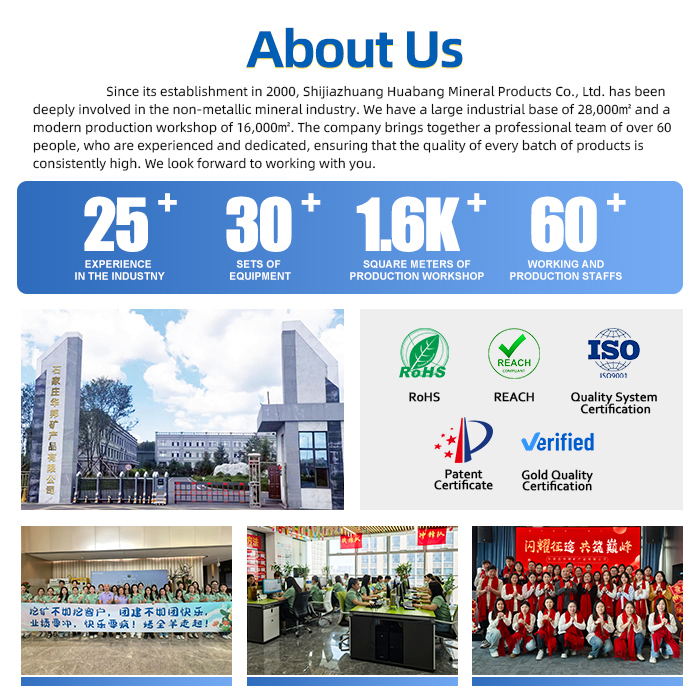




-

Talc powder for automotive plastics coatings paper ceramics and rubber industrial applications enhancing material performance stability
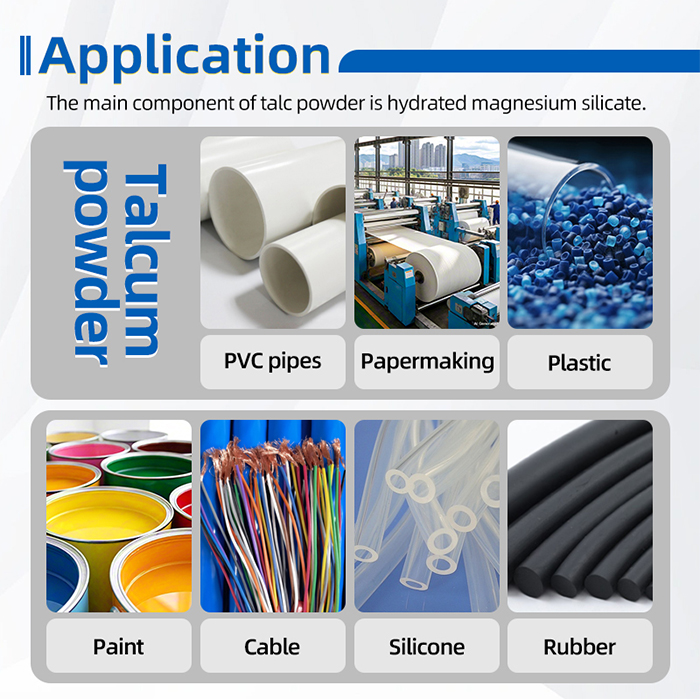
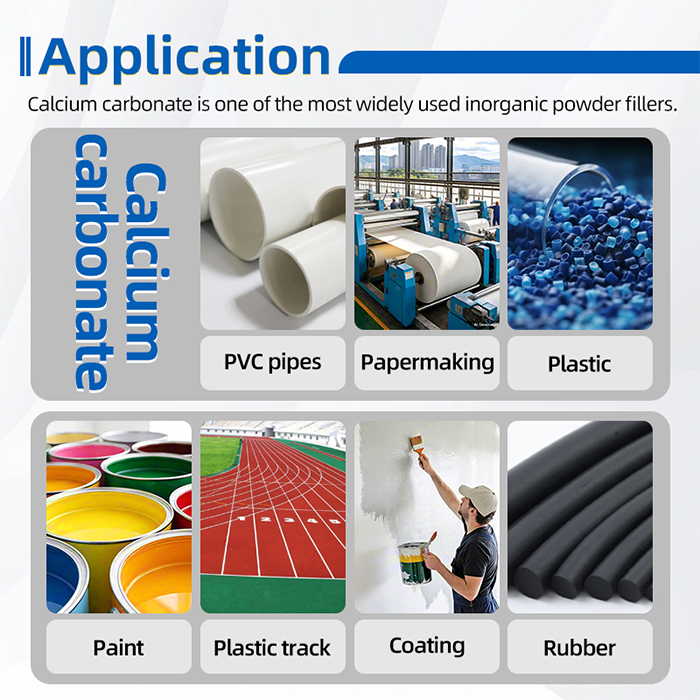
Talc powder is naturally occurring mineral formed from the weathering of magnesium silicate rocks, boasting distinctive physical and chemical traits that make it indispensable in diverse industrial fields. It typically appears as fine white or gray powder with greasy texture, soft consistency and excellent lubricity—traits that stem from its platy crystal structure. Such unique characteristics enable talc powder to blend seamlessly with various materials, not just mixing well but also delivering enhanced performance and processing convenience to end products. Its inherent chemical inertness ensures stable compatibility with most substrates, avoiding unwanted reactions even in long-term use, while reliable heat resistance and electrical insulation properties further expand its application scope in high-demand manufacturing processes across different sectors.Plastics industry relies heavily on talc powder as functional filler and reinforcement agent, especially in automotive plastic components. Talc powder integrates seamlessly into thermoplastics like polypropylene and polyethylene, effectively improving dimensional stability by minimizing warpage and reducing shrinkage during injection molding and extrusion processes. It significantly enhances heat resistance of plastic components, making them suitable for automotive parts that endure frequent mechanical stress and temperature fluctuations, such as dashboards, door panels and underhood components. Talc powder’s platy structure boosts stiffness and impact resistance of plastics without adding excessive weight, perfectly supporting lightweight strategies in vehicle manufacturing. This weight reduction helps lower fuel consumption and improve overall operational efficiency, aligning with modern automotive production trends focused on sustainability. Additionally, talc powder acts as a processing aid, reducing friction between plastic melts and mold surfaces, which shortens molding cycles and increases production efficiency for plastic manufacturers.Coatings and paints sector benefits greatly from talc powder’s unique properties, serving as a versatile mineral filler in both industrial and architectural coatings. As mineral filler, talc powder improves paint flowability and leveling, effectively preventing sagging and dripping during application on vertical or curved surfaces. It enhances hiding power and adhesion of coatings, forming a smooth, even and durable film that adheres tightly to various substrates like metal, wood and concrete. Talc powder’s platy particles also help maintain uniform pigment dispersion, ensuring consistent color and finish across all coated products, avoiding streaks or uneven shading. Beyond aesthetics, it boosts resistance to water, acids and abrasion, extending service life of coatings used in industrial structures, machinery and outdoor equipment. Primers and intermediate coatings frequently incorporate talc powder to optimize sedimentation resistance—preventing filler particles from settling at the bottom of paint cans—and improving re-coatability, allowing subsequent layers to bond firmly, all while meeting strict quality standards of manufacturing industries.Paper industry has long utilized talc powder for improving product quality and processing efficiency across various paper grades. Talc powder acts as both filler and coating agent, enhancing brightness, opacity and smoothness of paper—key attributes for printing and packaging papers. When used as filler, it fills gaps between cellulose fibers, creating a denser structure that strengthens paper’s ability to absorb printing inks, ensuring vivid color reproduction, sharp print quality and faster drying times. As coating agent, it forms a thin, smooth layer on paper surfaces, reducing ink penetration and improving print clarity. Talc powder also functions as essential resin control additive, absorbing residual resins and pitch in pulp to prevent machine jams, sticky rollers and surface defects like spots or streaks. In waste paper recycling processes, talc powder aids in deinking by breaking down ink particles and detackifying sticky contaminants, significantly improving pulp purity and resulting recycled paper quality. These diverse applications make talc powder a key component in producing various paper products, from high-gloss printing papers and packaging materials to tissue papers and corrugated cardboard.Ceramics manufacturing leverages talc powder to adjust product properties and optimize processing parameters, reducing production costs while enhancing end-product performance. Adding talc powder to ceramic blanks lowers firing temperature by several degrees and widens the acceptable temperature range during firing, which not only reduces energy consumption but also minimizes the risk of product deformation or cracking. Small amounts of talc powder enhance transparency, mechanical strength and thermal stability of ceramics, making them suitable for industrial components and decorative items alike. Higher concentrations of talc powder facilitate formation of special crystals like enstatite, improving thermal shock resistance and dielectric properties—critical for ceramics used in electrical and high-temperature environments. Talc powder also serves as effective flux in glazes, reducing melting temperature, improving glaze elasticity and preventing crazing. It adds natural opacity to matte glazes, creating desired textures and finishes, while meeting both aesthetic and functional requirements of ceramic products for industrial machinery parts and construction materials like floor tiles and wall cladding.Rubber industry uses talc powder extensively as functional filler and insulation material, enhancing both product performance and processing feasibility. It penetrates rubber matrices to enhance mechanical strength, tear resistance and internal lubrication, improving overall durability and reducing wear and tear during long-term use. This lubricating effect also simplifies processing, reducing energy consumption during mixing, calendering and molding stages. Talc powder significantly boosts electrical insulation of rubber products, making it ideal for cable insulation, rubber gaskets and other rubber components used in electrical equipment and power transmission systems. It also acts as reliable anti-sticking agent, forming a thin protective layer on rubber surfaces that prevents products from adhering to molds, machinery or each other during production, storage and transportation. Strict quality control measures ensure talc powder meets precise purity and particle size requirements for rubber applications, as inconsistent particle distribution can affect rubber’s flexibility and performance, maintaining uniformity and reliability in end product performance.Waterproof materials production incorporates talc powder to enhance product reliability, durability and weather resistance, catering to construction and industrial waterproofing needs. It is widely added to asphalt membranes, acrylic coatings and polyurethane sealants, where it improves flexibility and elongation at break—allowing waterproof materials to adapt to structural movements without cracking. Talc powder strengthens bonding between material components, creating a seamless barrier that prevents water leakage and extends service life of waterproof systems in demanding settings like rooftops, basements, industrial tanks and bridges. Its chemical stability ensures waterproof materials maintain consistent performance under harsh environmental conditions, including extreme temperature changes, prolonged moisture exposure, UV radiation and chemical erosion. Additionally, talc powder improves rheological properties of waterproof formulations, preventing settling of heavy components and ensuring uniform application, which further enhances the effectiveness of waterproof layers.Global demand for talc powder continues to grow, driven by expanding manufacturing sectors and technological advancements in processing. Talc powder’s versatility and cost-effectiveness make it preferred choice for manufacturers seeking to optimize product performance and production efficiency. Strict quality standards and testing procedures ensure talc powder meets industry-specific requirements, eliminating contaminants and ensuring safety in applications.



-

Industrial Grade Talc Powder from Suitable Filler for Plastic Rubber Coating and Ceramic Manufacturing Processes
China is renowned for its abundant talc reserves, with significant deposits distributed across regions like Liaoning, Shandong, and Guangxi. These deposits have distinct formation mechanisms that reflect the country’s complex geological history.
Liaoning, especially the Dashiqiao area, stands as one of China’s major talc production bases. Here, talc deposits formed through the metamorphism of dolomite and magnesite under high temperature and pressure conditions during the Proterozoic era. The long – term tectonic movements and hydrothermal activities in this region promoted the recrystallization of minerals, gradually giving rise to high – grade talc with a smooth texture and fine lamellar structure. This geological process is similar to how certain ancient rock formations were transformed under extreme conditions to create unique mineral deposits.
In Shandong, the talc in places such as Yishui and Junan mainly originated from the alteration of ultramafic rocks. When these rocks interacted with hydrothermal fluids rich in silica, a series of chemical reactions occurred, resulting in the formation of talc with good whiteness and lubricity, making it highly suitable for industries like ceramics and cosmetics.
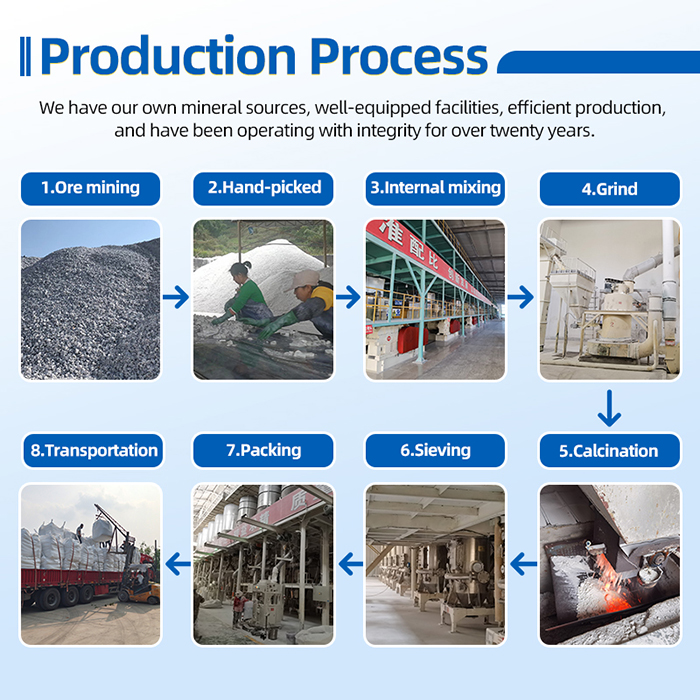
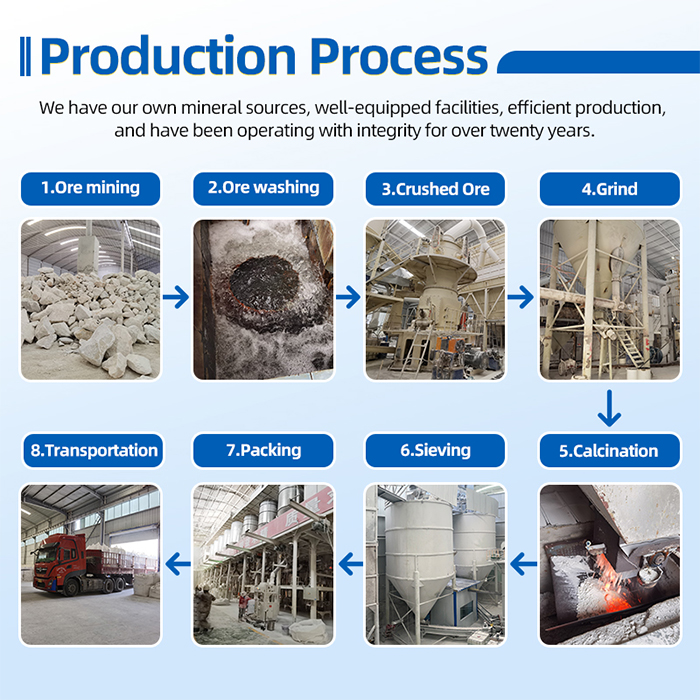
Guangxi’s talc deposits, concentrated in areas like Hezhou, formed in a different geological environment. They are often associated with sedimentary – metamorphic processes, where sedimentary rocks containing magnesium – rich materials underwent metamorphism, leading to the enrichment of talc.Chinese miners adopt a combination of open – pit and underground mining methods depending on the depth and scale of the deposits. For shallow deposits, open – pit mining is preferred for its efficiency and lower cost, while underground mining techniques are employed for deeper – seated resources. After extraction, Chinese talc goes through a meticulous processing chain, including ore dressing, fine grinding, and surface modification. Ore dressing separates talc from associated gangue minerals, and fine grinding processes the talc into various fineness grades according to different industrial demands. Surface modification is carried out to improve the compatibility of talc with other materials, especially in high – end applications such as plastics and rubber. These processing steps are designed to maximize the utilization value of talc, ensuring that it meets the diverse requirements of domestic and international markets, much like how various processing methods enhance the usability of other minerals. China’s rich talc resources, with their unique geological origins and advanced processing techniques, play an important role in the global talc industry.
Talc powder, a naturally occurring magnesium silicate mineral, has become a cornerstone material in industrial manufacturing due to its unique combination of physical and chemical properties. Our company’s industrial grade talc powder is engineered to meet the diverse needs of plastic, rubber, coating, and ceramic industries—four sectors where reliability, consistency, and performance are critical to operational success.
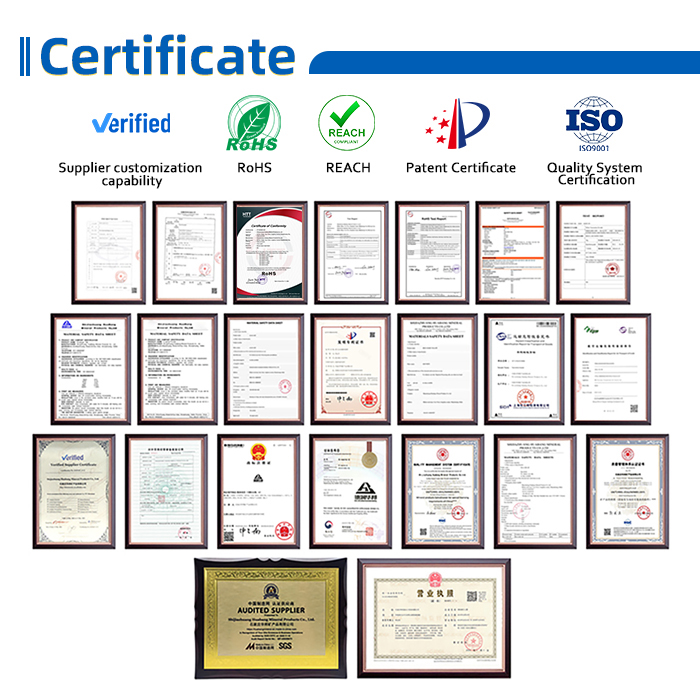
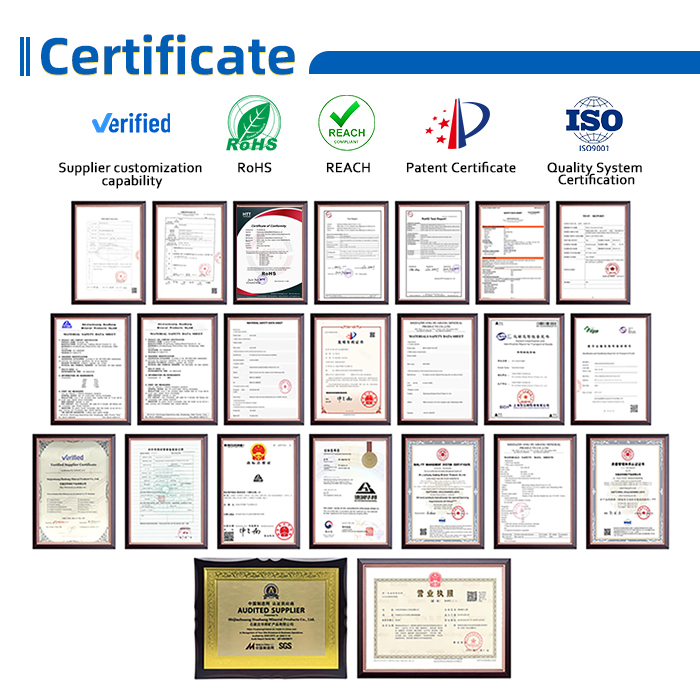
In plastic manufacturing, our industrial grade talc powder acts as a versatile filler that enhances both product quality and production efficiency. When integrated into polypropylene (PP), polyethylene (PE), or polyvinyl chloride (PVC) resins, it improves dimensional stability by reducing shrinkage during molding. This is particularly valuable for plastic components like automotive interior trims, electrical junction boxes, and household appliance casings, where precise sizing ensures proper fit and functionality. Our talc powder’s lamellar structure also boosts rigidity without compromising impact resistance, allowing manufacturers to reduce material thickness while maintaining structural integrity—cutting raw material costs by 10–15%. With particle size options ranging from 200 to 1250 mesh, we cater to different plastic processing methods, from injection molding to extrusion, ensuring uniform dispersion and avoiding defects like streaking or clumping.For rubber production, our talc powder serves as a processing aid and reinforcing agent. It reduces the viscosity of rubber compounds, making mixing and extrusion smoother and more energy-efficient. In natural rubber and synthetic rubber (such as nitrile butadiene rubber), it enhances tear resistance and abrasion resistance, extending the lifespan of rubber products like industrial hoses, conveyor belts, and gaskets. A rubber manufacturer in Southeast Asia reported that incorporating our talc powder into their hose formulations increased product durability by 25%, reducing replacement frequency for their clients. Additionally, our talc powder’s chemical inertness ensures compatibility with vulcanizing agents and antioxidants, preventing unwanted reactions that could degrade rubber performance over time.In the coating industry, our industrial grade talc powder functions as an extender and matting agent. It improves the opacity of paints and coatings, allowing formulators to reduce the amount of expensive titanium dioxide (TiO₂) while maintaining coverage—lowering formulation costs by 8–12%. The lamellar particles create a barrier within the coating film, enhancing resistance to water, chemicals, and UV radiation. This makes our talc powder ideal for industrial coatings used on metal structures, machinery, and exterior walls, where long-term weatherability is essential. A European coating supplier found that using our talc powder in their industrial enamel formulations increased the coating’s service life by 30% in harsh outdoor environments.Ceramic manufacturers rely on our talc powder to optimize production processes and improve product quality. When added to ceramic clay formulations, it lowers the firing temperature by 50–100°C, reducing energy consumption and minimizing thermal stress on finished products. This reduces the risk of cracking and improves yield rates—critical for ceramic tiles, sanitary ware, and electrical insulators. Our talc powder also enhances the ceramic’s whiteness and gloss, eliminating the need for additional whitening agents and creating a more aesthetically pleasing finish.Quality control is embedded in every stage of our production process. We source raw talc from high-purity deposits in Liaoning and Shandong, China—regions renowned for talc with low iron, calcium, and heavy metal content. The raw ore undergoes crushing, grinding, and purification via magnetic separation and froth flotation to remove impurities. Each batch is tested using laser particle size analyzers, X-ray fluorescence (XRF) spectrometers, and whiteness meters to ensure compliance with industry standards. Our industrial grade talc powder meets ISO 9001, REACH, and RoHS certifications, ensuring it adheres to global regulatory requirements.Logistics reliability is a key part of our service. We maintain inventory in warehouses across China, ensuring lead times of 7–10 days for most orders. Products are packaged in 25kg kraft paper bags or 1000kg jumbo bags, with options for custom labeling. We handle all export documentation, including certificates of analysis (COA) and customs declarations, simplifying the import process for clients in Europe, North America, and Southeast Asia.With a focus on quality, customization, and customer support, our industrial grade talc powder has become a trusted choice for manufacturers worldwide. It delivers consistent performance, cost savings, and operational efficiency—making it an indispensable material in modern industrial processes. -

Natural whiteness fine talc powder for construction industry Cosmetics industry machinery industry
Talc powder, chemically referred to as hydrous magnesium silicate with the formula Mg₃Si₄O₁₀(OH)₂, has long been crucial in multiple sectors. This soft, white powder stands out due to its outstanding properties.
In mechanical applications, its remarkable lubricity facilitates smooth movement. In cosmetics, it’s a staple. For instance, it’s found in baby powder, helping to keep skin dry and feeling silky. It’s also in blush and foundation, absorbing excess oil.Within the paper industry, talc powder boosts brightness and smoothness, improving printability. In plastics manufacturing, it enhances the flow of plastic resins during processing and adds rigidity to final products. -

Natural pure white talcum powder paper making industry painting plastic industry
Talcum powder is made by grinding talc with Raymond mill and other high pressure touch.
Effect: Cosmetic additives.reinforced filler.Used as a heat preservation agent for agricultural film.
-

Huabang Talc powder white 1000-3000 mesh superfine cosmetic grade high whiteness bulk talc powder for rubber
Talcum powder is made by grinding talc with Raymond mill and other high pressure touch.
Effect: Cosmetic additives.reinforced filler.Used as a heat preservation agent for agricultural film.
-

Huabang 325-1250 mesh White Cosmetic Talc Powder, Industrial Grade Talcum Materials High Whiteness Talc Powder
Talcum powder is made by grinding talc with Raymond mill and other high pressure touch.
Effect: Cosmetic additives.reinforced filler.Used as a heat preservation agent for agricultural film.
-
Talc powder white 3000 mesh super fine cosmetic grade high whiteness bulk talc powder for paint
Talcum powder is made by grinding talc with Raymond mill and other high pressure touch.
Effect: Cosmetic additives.reinforced filler.Used as a heat preservation agent for agricultural film.
-
Talc powder cosmetic grade baby powder superfine talcum for sale
Talcum powder is made by grinding talc with Raymond mill and other high pressure touch.
Effect: Cosmetic additives.reinforced filler.Used as a heat preservation agent for agricultural film.
-
Cosmetic Talc Powder, Industrial Grade Talcum Materials High Whiteness Talc Powder
Talcum powder is made by grinding talc with Raymond mill and other high pressure touch.
Effect: Cosmetic additives.reinforced filler.Used as a heat preservation agent for agricultural film.
-
Talc Powder 1250mesh, Talc Powder Supplier High Purity Talcum Powder for Cosmetic
Talcum powder is made by grinding talc with Raymond mill and other high pressure touch.
Effect: Cosmetic additives.reinforced filler.Used as a heat preservation agent for agricultural film.
-
Industrail grade talc powder paint grade talcum powder,1250mesh talc powder, pure white talc
Talcum powder is made by grinding talc with Raymond mill and other high pressure touch.
Effect: Cosmetic additives.reinforced filler.Used as a heat preservation agent for agricultural film.