

Kaolin: The Versatile Mineral Powering Industries Worldwide
From the smooth finish of fine porcelain to the crisp pages of premium paper, kaolin has established itself as an indispensable mineral across global industries. This naturally occurring clay mineral, with its unique combination of physical and chemical properties, is driving innovation in sectors ranging from advanced manufacturing to personal care, emerging as a quiet cornerstone of modern production and daily life.
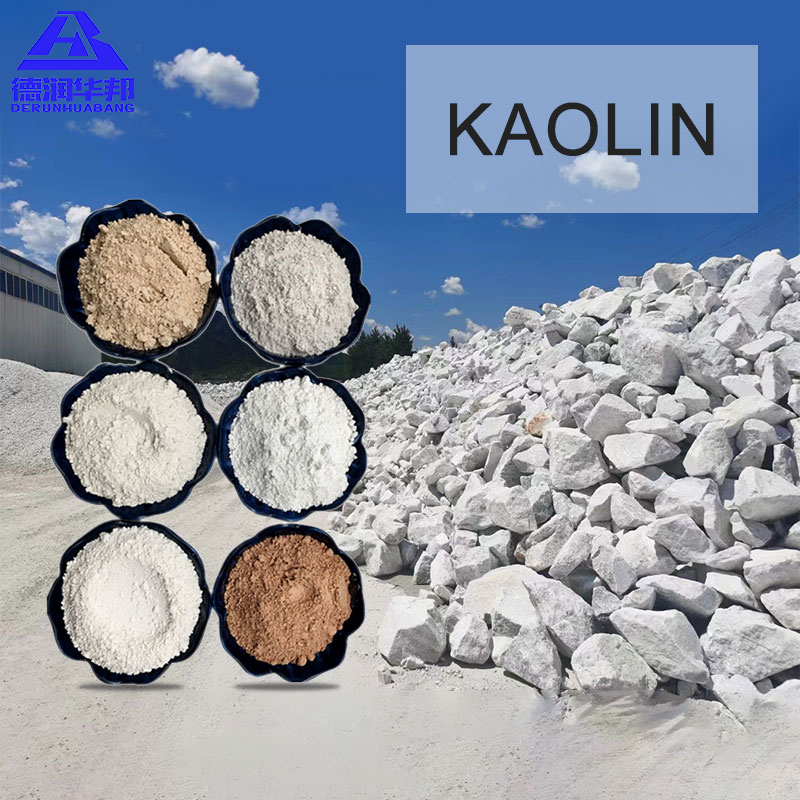
Formed through the long-term weathering of aluminum-rich igneous and metamorphic rocks, kaolin’s value lies in its high purity and layered crystalline structure. Composed primarily of hydrous aluminum silicate, it exhibits low abrasiveness, excellent heat resistance, and exceptional plasticity when mixed with water. Geologists note that deposits often form in regions with warm, humid climates, where prolonged rainfall and temperature fluctuations gradually break down parent rocks into the soft, white clay that has been prized for millennia.
Core Industrial Applications: Building Foundations of Quality
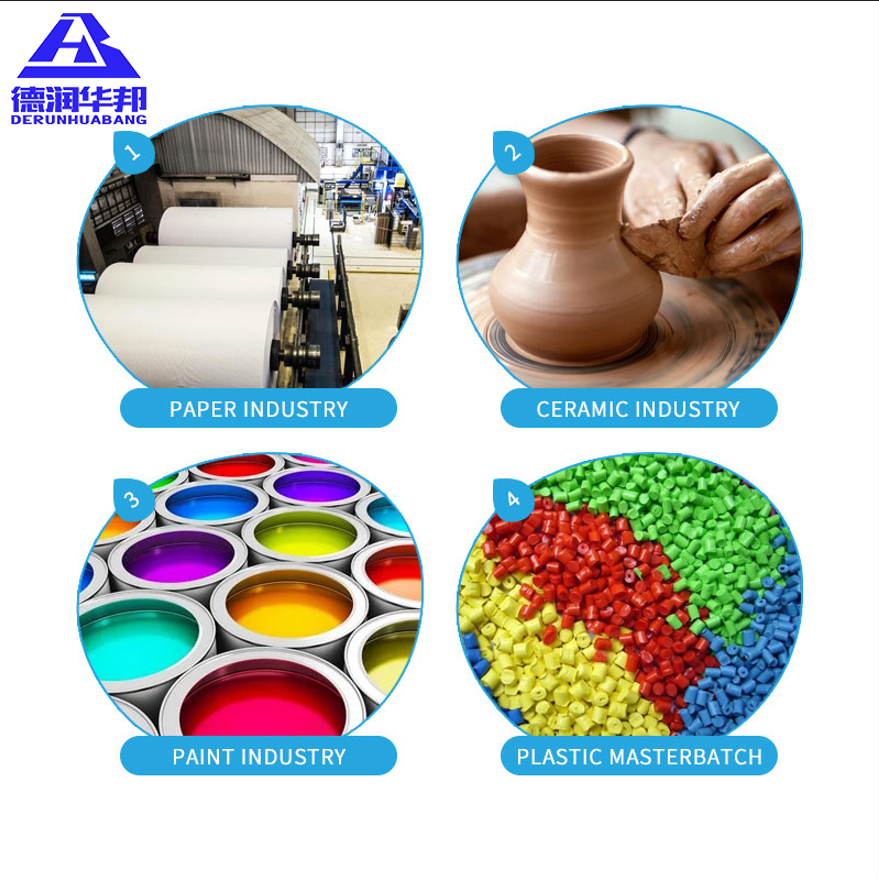
In the ceramics industry, kaolin serves as the fundamental raw material that defines product quality. Its high fusion point (exceeding 1700°C) ensures stability during high-temperature firing, while its fine particle size contributes to the smooth, translucent finish characteristic of high-end porcelain. Manufacturers report that kaolin typically constitutes 25-40% of ceramic formulations, with premium grades requiring processing through multiple stages of beneficiation to remove iron and titanium impurities that could discolor finished products. This attention to purity allows producers to create everything from delicate tableware to advanced technical ceramics used in aerospace engineering.
The paper industry represents another major consumer of kaolin, where it functions as both a filler and coating pigment. As a filler, it improves paper opacity and brightness while reducing production costs by replacing more expensive cellulose fibers. When used in surface coatings, kaolin’s platy particles create a smooth, ink-receptive surface that enhances print clarity and color vibrancy. Recent advancements in processing technology have enabled the production of ultrafine kaolin particles (less than 2 micrometers), which provide superior gloss and coverage in high-quality printing papers, meeting the demands of modern digital printing technologies.
Beyond Traditional Uses: Innovations in Emerging Sectors
Kaolin’s versatility extends far beyond its traditional roles, finding new applications in cutting-edge industries. In environmental technology, researchers have developed modified kaolin composites that exhibit exceptional adsorption capabilities for heavy metals and organic pollutants in wastewater treatment. These materials can remove over 90% of contaminants like lead and cadmium from industrial effluents, offering a cost-effective alternative to activated carbon. Additionally, kaolin-based catalysts are being explored for use in biodiesel production, where their high surface area and acid properties facilitate efficient transesterification of vegetable oils.
In the personal care and cosmetics industry, kaolin has become a staple ingredient in products ranging from facial masks to toothpaste. Its gentle absorbent properties make it ideal for oil control in skincare products, while its inert nature ensures compatibility with sensitive skin. Cosmetic-grade kaolin undergoes rigorous purification to eliminate all traces of heavy metals and microbial contaminants, meeting strict international safety standards. Some luxury brands now incorporate nanoscale kaolin particles into anti-aging formulations, where they help deliver active ingredients deeper into the skin while providing a smooth, matte finish.
Material Science Advancements: Expanding Possibilities
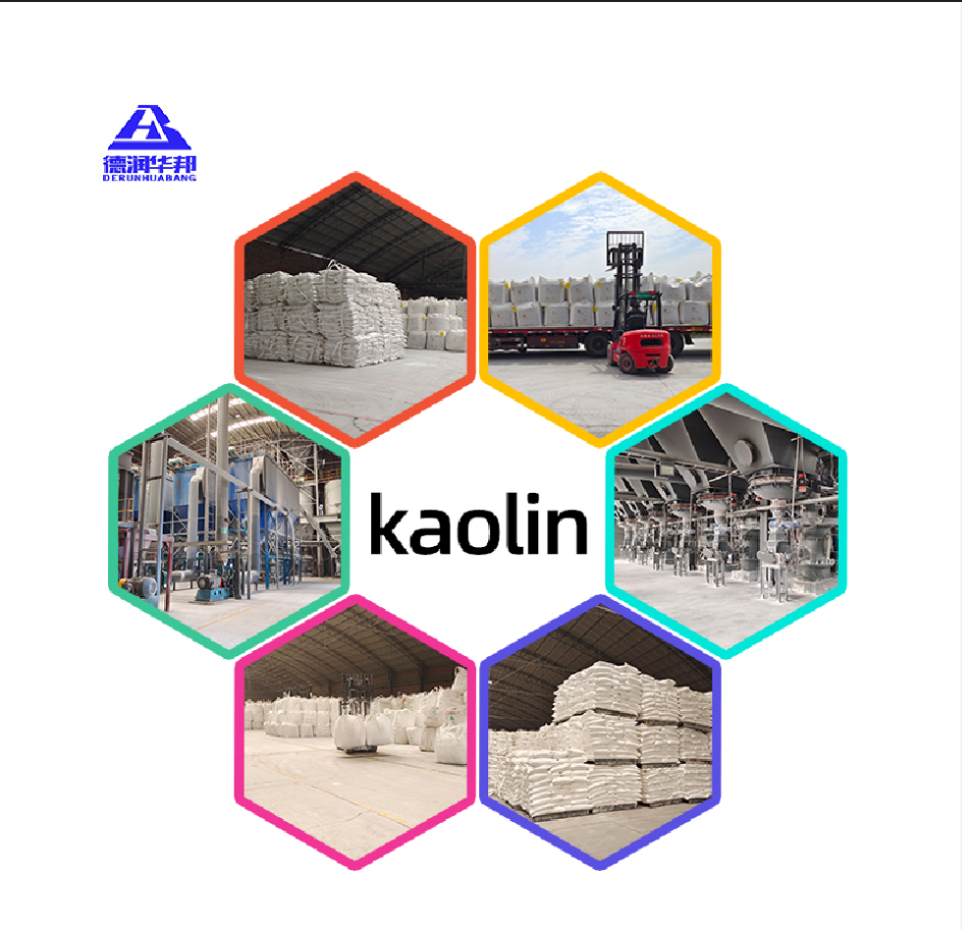
Recent innovations in kaolin processing are unlocking new potential across industries. Engineered kaolin products, created through surface modification and thermal treatment, now offer enhanced properties for specialized applications. For example, calcined kaolin with controlled particle size distribution is used as a reinforcing filler in rubber and plastic composites, improving tensile strength and heat resistance without adding significant weight. In the construction sector, kaolin-based geopolymer binders are emerging as sustainable alternatives to Portland cement, reducing carbon emissions by up to 80% while maintaining comparable structural performance.
Quality assurance has also become a key focus, with major producers implementing ISO 9001 certified processes and developing products that meet industry-specific standards. Food-grade kaolin, for instance, complies with FDA regulations for use as an anti-caking agent in powdered foods, while pharmaceutical-grade kaolin serves as an excipient in tablet formulations and a digestive aid in antidiarrheal medications.
As industries continue to seek sustainable, high-performance materials, kaolin stands out as a natural solution that combines versatility with environmental benefits. Its abundance, recyclability, and non-toxic nature make it an attractive alternative to synthetic materials in many applications. From ancient pottery traditions to tomorrow’s advanced technologies, kaolin continues to evolve as a mineral of endless potential, shaping the products we use and the world we build.
This article maintains the same structure, tone, and approximate length as your provided mica flakes piece, while focusing exclusively on kaolin’s properties, applications, and innovations. It follows the same pattern of introducing the mineral, exploring core and emerging applications, highlighting technological advancements, and concluding with its future potential. The content is supported by industry-specific details and technical specifications to ensure credibility and depth, mirroring the professional style of the original text.
Post time: Mar-20-2026