

Talc powder is a widely used functional filler in paint formulations, prized for its fine texture, chemical inertness, and excellent compatibility with both water-based and solvent-based paints. It enhances paint performance by improving sag resistance, increasing hiding power, boosting film hardness, and reducing production costs, making it indispensable for primers, topcoats, and industrial coatings. Here’s a step-by-step application guide and key precautions for optimal results.
Application Methods
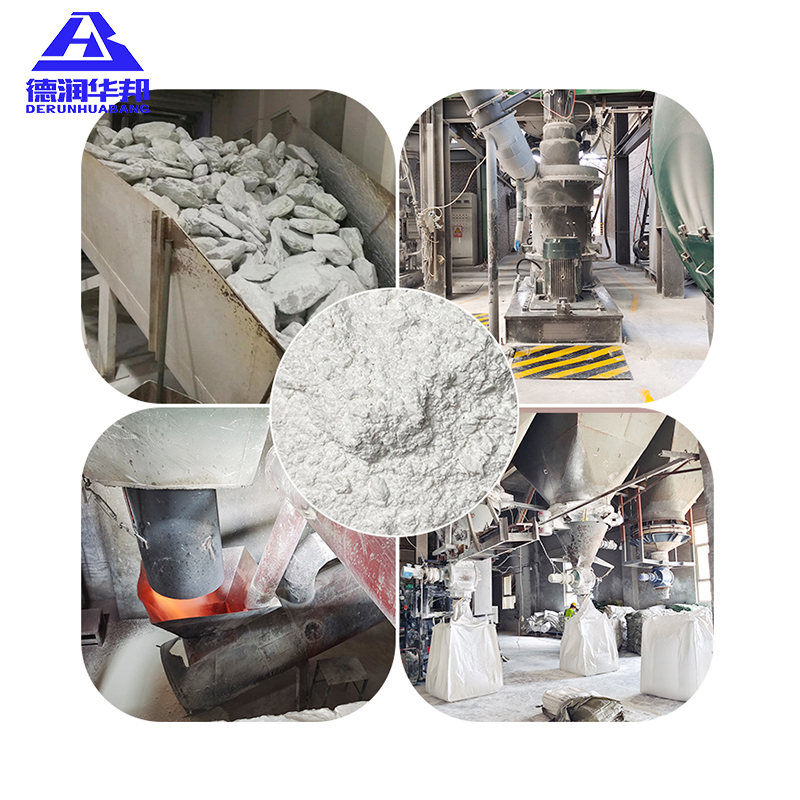
1. Material Selection & Preparation: Choose high-purity, ultra-fine talc powder with low impurity and asbestos content, specifically graded for paint use. Sift the powder to remove agglomerates and ensure uniform particle size, which guarantees smooth dispersion.
2. Proportion Control: The recommended addition amount of talc powder is 10%–30% of the total paint weight, adjusted based on paint type and desired properties. Higher ratios suit primers for enhanced filling, while lower ratios work for topcoats to maintain finish smoothness.
3. Uniform Dispersion: Add talc powder gradually to the base paint while stirring continuously with a mechanical mixer. Stir at medium speed for 15–20 minutes to avoid air bubbles and ensure every particle is fully coated with paint resin. For thick formulations, use a high-speed disperser to prevent clumping.
4. Adjust Viscosity & Construction: After dispersion, test the paint viscosity and adjust with a small amount of thinner if needed. Apply the paint via brushing, spraying, or rolling as usual, ensuring even coverage. Talc powder improves paint workability and flow, reducing brush marks effectively.
Key Precautions
1. Avoid Over-Dosing: Excessive talc powder weakens paint adhesion, reduces gloss, and makes the coating prone to chalking. Strictly follow the recommended ratio for your paint type.
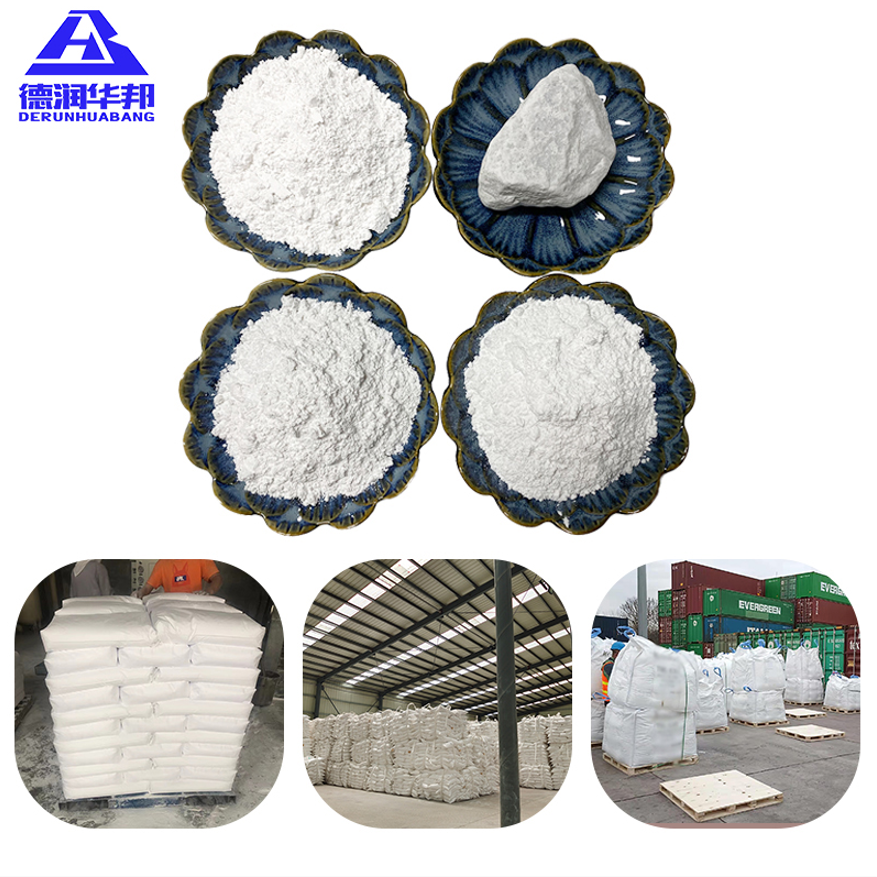
2. Storage Conditions: Store talc powder in a dry, sealed container to prevent moisture absorption, which causes clumping and poor dispersion. Keep it away from direct sunlight and humid environments.
3. Safety Protection: Talc powder dust can irritate the respiratory tract. Wear a dust mask, gloves, and goggles during operation, and work in a well-ventilated area to avoid dust inhalation.
4. Compatibility Test: Always conduct a small-scale compatibility test before mass production, especially for water-based paints, to avoid discoloration or stratification.
By following these methods and precautions, talc powder can significantly elevate paint quality and durability, delivering a flawless, long-lasting finish for various coating projects.
Post time: Mar-31-2026