

Colored sand has broken free from old, dusty craft boxes, feeling like playful little secret that spruces up urban spots and turns ordinary art experiences into pure fun. Run your fingers through it, and you’ll feel its soft, granular flow—so gentle yet full of vibrancy that it instantly brightens any space. Its bold, cheerful colors turn boring, forgettable places into cozy nooks where people love to hang out—no stuffy gallery rules, no complicated setups, just simple, unfiltered joy. Unlike stiff decor items that stay glued in one spot and fade into background over time, colored sand bends and adapts to any surface or creative idea: spread it on a wall, fill a jar, or sprinkle it on a tabletop, and it seamlessly mixes art into daily life without overcomplicating things. Every tiny grain holds chance to breathe new life into public parks, tiny sidewalk niches, or even private home corners; those gloomy, forgotten spots that no one used to glance at? They transform into favorite gathering places where strangers stop to smile, snap quick photos, and even strike up casual chats—connecting folks from all sorts of backgrounds without anyone trying too hard.
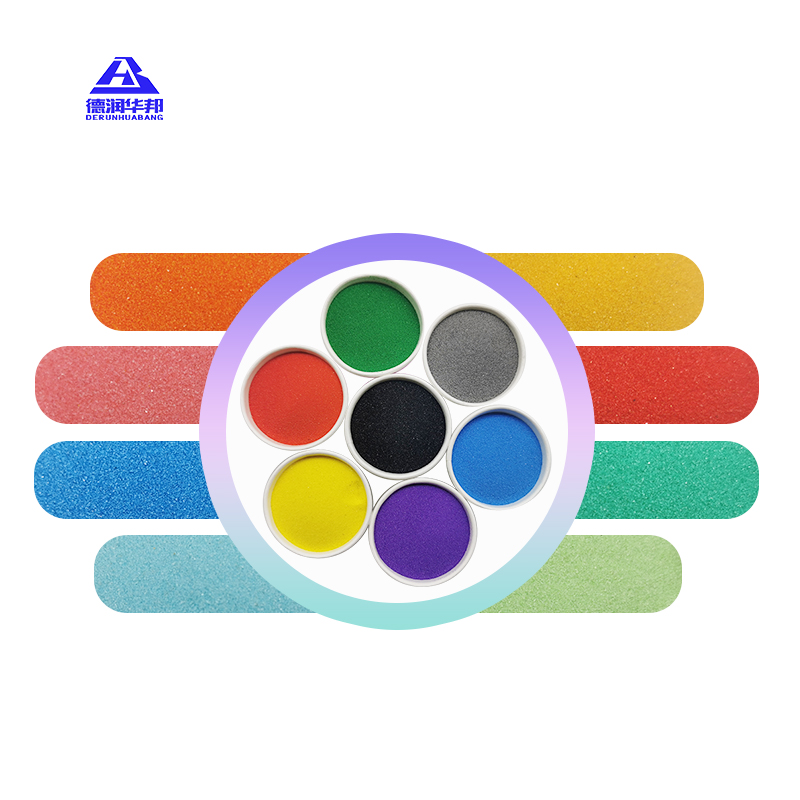
Cities everywhere are leaning hard into colored sand as easy, budget-friendly way to spruce up small, neglected spaces. Just imagine those gloomy alleyways where trash used to pile up, empty subway exits where people hurry through with their heads down, or sad-looking park edges overgrown with weeds—now they’re covered head to toe in cheerful sand art murals that pop with color. Artists start by sketching simple, friendly designs on walls or even the ground—think playful animals, swirly patterns, or little nods to local landmarks—then pile on layered colored sand in fun, matching shades that show off the unique vibes of the neighborhood. Suddenly, these once-drab spots turn into Instagram-worthy gems; tourists and locals alike stop to take photos, and nearby small shops—like cozy cafes and tiny bookstores—get a nice boost in customers. Residents love these fresh new looks so much that they form little volunteer groups to touch up the sand art every few weeks: kids help mix sand colors on weekends, seniors share stories while gently patting sand into place, and everyone feels like they own a tiny piece of their neighborhood—growing closer with every handful of sand they lay down.
Immersive art shows use colored sand to turn ordinary visits into magical, unforgettable experiences—no stuffy gallery rules here, just pure fun for kids and adults alike. Galleries and art centers go all out with big, whimsical sand displays: visitors wander through narrow tunnels lined with soft, thickly layered colored sand in pastels and brights, or stand under billowing canopies draped in sand-adorned cloth that filters sunlight into warm, rainbow-colored beams. Some shows even add cool, interactive projections that blend perfectly with the sand’s texture; as people walk by, images of butterflies flit across sand-covered walls, or waves of color ripple over sand mounds, making it feel like the art is alive and playing along. These moments totally break down the walls between art and viewers—no more standing quietly and staring from a distance. People laugh out loud as they run their hands along the smooth, sand-lined walls, kids giggle as they trace little patterns in loose sand with their fingertips, and everyone snaps silly, happy photos to share later. It’s not just watching art anymore—it’s stepping right into it and becoming part of the fun.
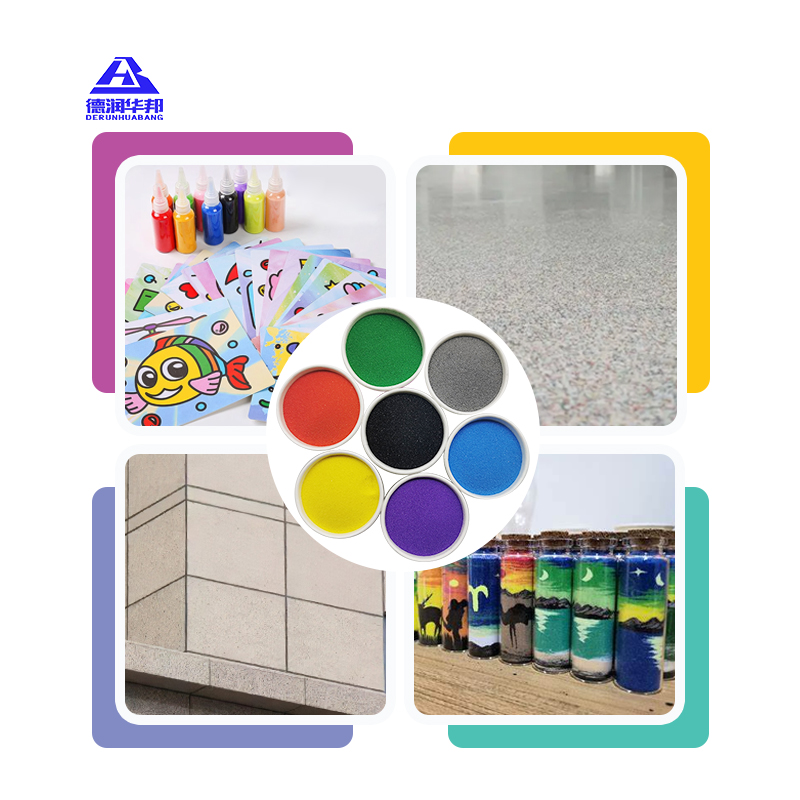
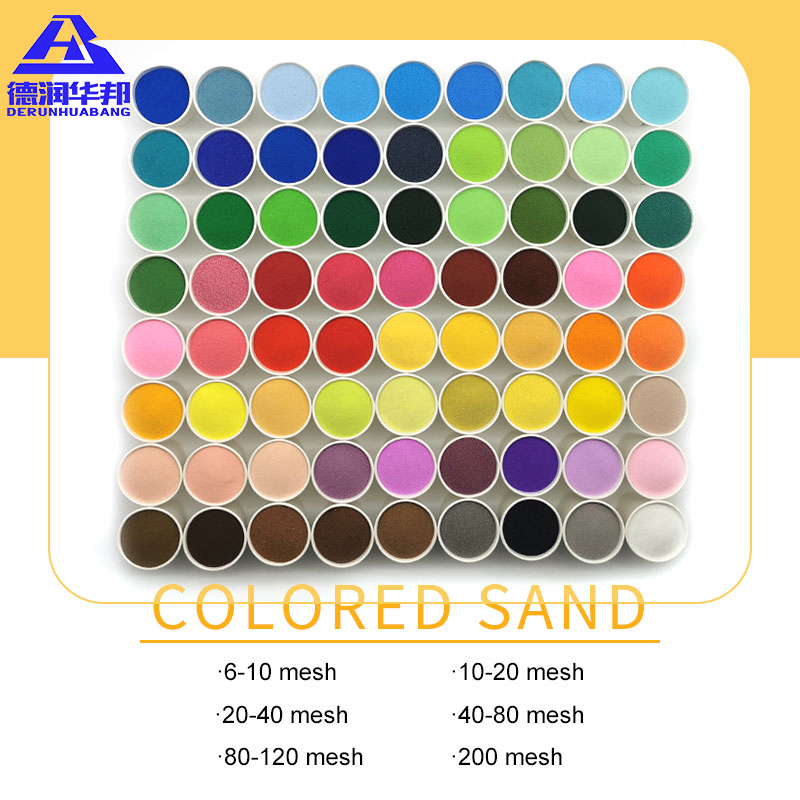
Mixing colored sand with other creative stuff is where the real fun begins—it makes every project feel more lively and unique. Digital artists scan their handcrafted sand art pieces into computers to make cute, short animations: layers of sand turn into bouncing little animals, or tiny stories about friendship that play on phone screens and social media. Fashion designers get clever too—they crush colored sand into a fine powder and mix it into fabric coatings, giving clothes and bags soft, one-of-a-kind textures that shine gently in the light. You’ll see people wearing these pieces around town, getting compliments left and right from strangers who love the subtle, sandy sparkle. Interior designers jump in with easy, cozy ideas too: they slide sand-filled glass panels behind table lamps or floor lamps, so when the lights turn on, the whole room glows with soft, dreamy colored light. But it’s not just professionals—DIY lovers at home get in on the action too, mixing sand into clear nail polish for unique manicures or sprinkling it on dried flower arrangements for a pop of color. Suddenly, regular, everyday items turn into cool, personalized decor pieces that make homes feel cozier and more full of personality.
Community art projects rely on colored sand to bring all kinds of different people together—no language barriers, no awkward small talk, just shared fun and creativity. Cultural exchange programs are a perfect example: they invite immigrants and local residents to roll up their sleeves and work on big sand murals together. Immigrants add traditional folk patterns from their hometowns—like intricate geometric designs or little symbols of their culture—while locals chip in with images of local landmarks or favorite neighborhood spots. The end result? Bright, beautiful murals that shout “we’re all here together, and that’s awesome.” Youth programs use sand art to help teens who need a little extra support: they teach them how to blend colors and shape sand into pieces that express their feelings, and when those pieces are displayed in local cafes or community centers, the teens stand a little taller, beaming with pride at something they made with their own hands. Colored sand becomes a common language here—everyone gets it, even if they don’t speak the same words. A smile over a perfectly mixed shade of blue, a high-five when a tricky pattern comes together—those little moments are how real connections grow.
Colored sand adds the perfect fun twist to temporary event art—way more casual and laid-back than big, fancy festivals. Corporate parties and art fairs now set up tiny pop-up sand art stations with little jars, stencils, and piles of colorful sand; attendees step away from the crowds for 10 minutes to make tiny pieces to take home—like layered sand jars with their initials or little hearts. It turns boring, obligatory events into sweet memories they can hold onto long after the night ends. Wedding planners love using sand art too: they create custom backdrops for ceremonies, picking hues that match the wedding theme—soft pinks and whites for romantic weddings, bright blues and greens for beach nuptials—and even mix in tiny seashells or glitter for extra charm. Newlyweds and guests grin from ear to ear as they pose in front of these soft, colorful designs, and the photos end up being some of their favorites. Art biennales go all out with huge, temporary sand installations that make people stop and say “wow”—think life-sized sand castles with intricate details or abstract designs that stretch across entire plazas. Best of all, they let folks add their own little touches before taking everything down—kids draw tiny stick figures, adults add little messages of joy, and everyone leaves feeling like they were part of something special.
Different types of colored sand are made to fit all kinds of creative needs—no fancy science jargon, just simple, practical fixes for different jobs. Heat-resistant sand is a game-changer for spots near lights or outside in the hot sun: it’s used in outdoor café lighting fixtures, sand art murals on south-facing walls, and even around poolside lamps, staying bright and vibrant without fading or cracking, even when the temperature spikes. Flexible sand mixes have a little bit of soft glue mixed in, so they can wrap around curved things like building pillars, furniture legs, or even the handles of mugs—no more limiting sand art to flat surfaces. Matte-finish sand is a favorite among digital artists: it doesn’t glow too bright under studio lights, so when they scan their sand art into computers, the colors look exactly how they intended—rich and true, with no weird glares messing up the details. There’s even glow-in-the-dark colored sand for fun night events, lighting up playgrounds or party spaces after the sun goes down—proving there’s a sand type for every silly, creative idea.
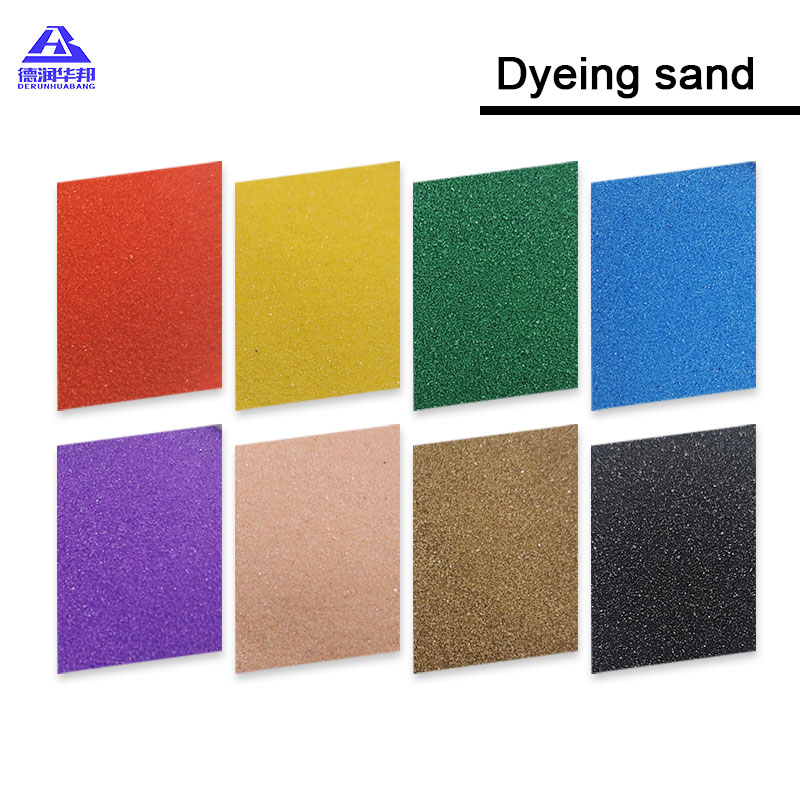
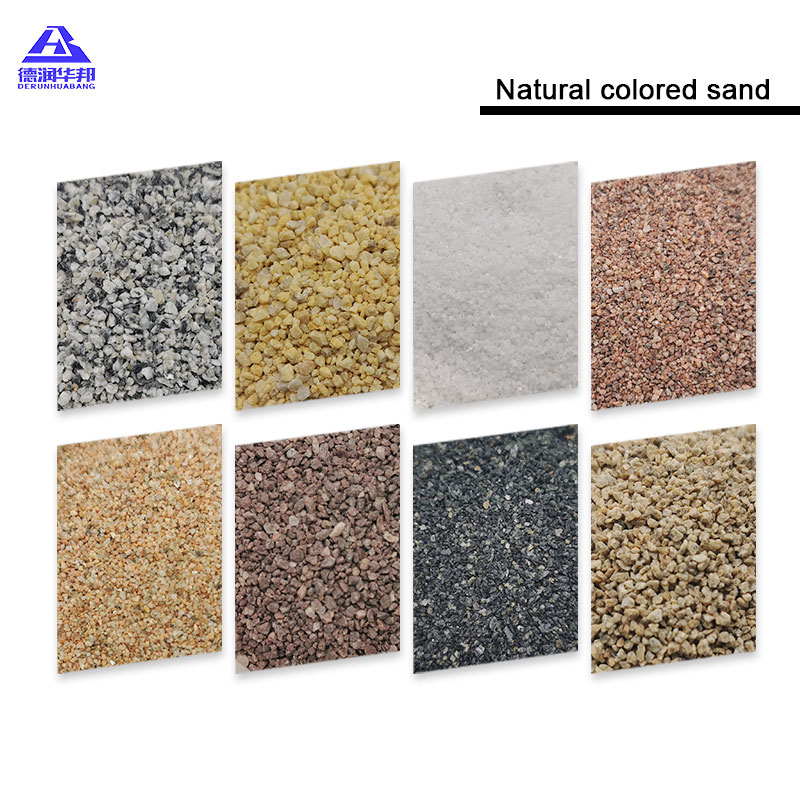
Artists absolutely love messing around with new, clever ways to use colored sand, turning simple little grains into amazing surprises that make people stop and stare. Some use special vacuum tools to carefully shape sand into delicate, 3D shapes that hang from gallery ceilings—think tiny floating forests with sand trees and sand flowers, or little castles that sway gently when the air conditioning blows. Others pour colored sand into clear resin molds of all shapes and sizes: small keychains with layered sand, big coasters with abstract patterns, even jewelry like pendants and earrings. When the resin hardens, the sand layers stay perfect forever, making pretty trinkets or decor pieces that last for years. The most fun trick? Mixing sand with music. Artists spread a thin layer of sand on flat surfaces near big speakers, then play upbeat songs or soft melodies—vibrations from the music make the sand dance and shift into swirling patterns and tiny waves. It’s like art that can hear and move, changing with every song, and watching it is super fun for kids and adults alike—everyone gathers around, pointing and laughing as the sand “dances” to their favorite tunes.
Colored sand getting so big in city and modern art says a lot about what people want these days: creativity everywhere, not just locked away in fancy galleries with expensive tickets. It’s a quiet statement that “art is for everyone, anywhere”—on street corners, in parks, even outside tiny coffee shops where people grab their morning coffee. A lot of sand art is temporary, and that’s part of what makes it so special; it doesn’t try to be permanent, so people slow down and really enjoy the moment, taking photos or just staring for a minute instead of rushing by. Imagine walking to work and seeing a new sand art mural on the side of an old trash can—suddenly, your busy morning feels a little brighter. That easygoing, flexible vibe fits perfectly with busy city life, where things change fast and people crave quick, happy surprises that make their days just a little bit better. It’s not about big, grand gestures—it’s about small bursts of color and joy right where people live, work, and play.
Online art spots have totally blown up colored sand’s popularity, making it famous all over the world. Artists post short time-lapse videos of themselves making sand art—starting with a blank canvas or jar, then pouring layer after layer of sand until a beautiful design emerges—and millions of people watch these videos, leaving comments like “I need to try this!” and getting inspired to grab their own sand. Virtual sand art workshops have become a hit too, connecting folks from different countries—someone in Paris, someone in Tokyo, someone in a small town in America—all learning together via video calls. Teachers send pre-mixed sand kits to participants beforehand, so everyone has the same colors to work with, and they walk through simple tricks like blending hues or making straight lines. Regular people, not just artists, share their messy, cute sand art projects online too: kids post their lopsided sand castles, adults share their first attempts at layered jars, and everyone cheers each other on with emojis and kind words. These digital spaces turn colored sand into a global party of creativity, bringing artists and hobbyists together no matter how far apart they live—all bonded by a love for tiny, colorful grains.
At its core, colored sand has come a long way from being just simple craft stuff—it’s now an awesome tool that makes cities prettier, brings people closer, and turns art from something “serious” into something fun and accessible. It proves beyond a doubt that creativity doesn’t need expensive gear or fancy art school skills—all you need is a handful of colored grains, a little imagination, and a willingness to have fun. These tiny grains have the power to turn boring, forgotten spots into happy places where people stop to connect, help friends and strangers bond over shared projects, and bring big smiles to faces of all ages. Think about it: a kid’s first sand art project, a couple’s wedding photo in front of a sand backdrop, a neighborhood coming together to fix up a mural—these are the little moments that make life feel full. As cities keep trying to make places feel more like home, colored sand will keep being the go-to choice for making spaces brighter, more fun, and open to everyone. No strings attached, no rules to follow—just pure, unadulterated creative joy that anyone can join in on.
Post time: Jan-09-2026