

Corn Cob is natural agricultural byproduct left after harvesting corn kernels, a residue that accumulates in massive quantities across corn-growing regions worldwide—from North American farmlands to Asian crop fields. For decades, it was dismissed as mere waste, often burned on fields or dumped in landfills, until industrial innovators recognized its unique structural and chemical traits that unlock exceptional value. Abundant and inherently renewable, it ties directly to global corn production cycles, ensuring steady supply that keeps costs low and accessibility high for manufacturers across sectors. Structure of corn cob is true cornerstone of its utility: when dried, it forms intricate, honeycomb-like network of hollow, porous cells that create remarkably large surface area relative to its weight. This porous framework, paired with its natural lignocellulosic composition—blend of cellulose, hemicellulose, and lignin—grants it strong adsorption capacity, reliable water retention, and impressive thermal stability even at moderate high temperatures. Unlike synthetic materials that require energy-intensive manufacturing, corn cob needs only minimal processing—typically drying to remove moisture and grinding to desired particle size—making it align seamlessly with circular economy principles and waste reduction goals that drive modern industrial practices.
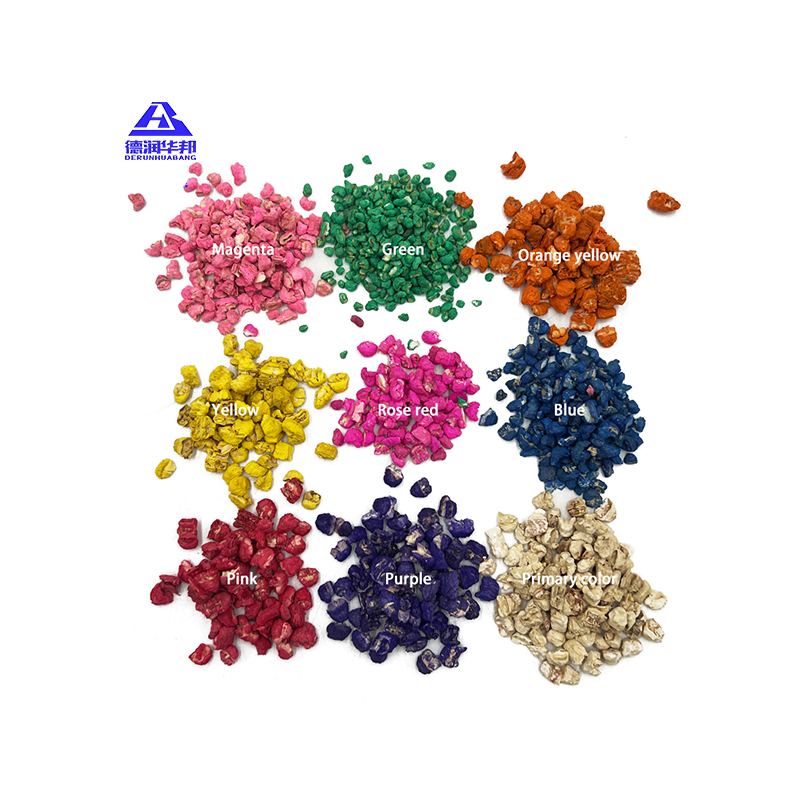
Core properties of corn cob work in tandem to drive its diverse industrial applications, with porosity and adsorption standing out as most impactful and widely utilized traits. Its porous cell structure acts like finely tuned natural sponge, capable of trapping liquids, gases, and even microscopic fine particles while maintaining structural integrity—unlike fragile synthetic sponges that break down easily under pressure. Adsorption ability, rooted in its lignocellulosic makeup, lets it bind tightly to oils, chemicals, and moisture through physical attraction rather than chemical reactions, eliminating need for harsh additives that might contaminate surrounding materials. Additional traits further expand its versatility: low density makes it easy to transport and integrate into lightweight products, high mechanical strength when fully dried ensures it resists crumbling in applications like fillers or filters, and full biodegradability means used corn cob can either decompose naturally in soil or be repurposed into other products, cutting down on industrial waste streams. These combined traits let corn cob adapt to needs as varied as cleaning up industrial spills, reinforcing plastic materials, or powering factory boilers—proving its flexibility across bio-based manufacturing and beyond.
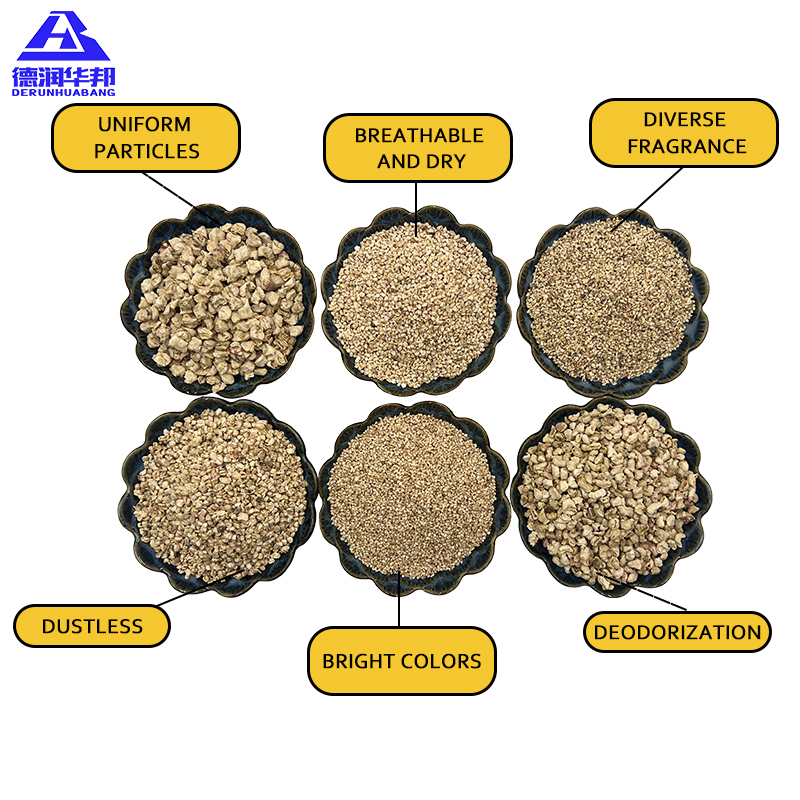
Adsorbent applications fully leverage corn cob’s sponge-like nature, with industrial spill cleanup and wastewater treatment standing as two of its most vital uses. In factories, workshops, and warehouses where oil or chemical spills pose safety and environmental risks, ground corn cob emerges as go-to solution: spread over spills, it absorbs liquids rapidly, transforming messy pools into solid, easy-to-handle clumps that can be collected without leaving sticky residues. It binds particularly well to hydrocarbons like machine oil and diesel, making it ideal for cleaning greasy engine parts or soaking up leaks on garage floors—unlike synthetic absorbents that often require additional solvents to fully remove. In wastewater treatment facilities, corn cob serves as cost-effective filter medium in pre-treatment stages, trapping suspended solids, heavy metal ions, and organic impurities before water moves to advanced treatment. Its porous structure maintains steady water flow even as it captures contaminants, avoiding frequent clogs that plague synthetic filters. Best of all, used corn cob from these filtration processes doesn’t become new waste—it can be composted into nutrient-poor mulch for non-plant applications or processed into biofuel, extending its lifecycle.
Biofuel and energy sector values corn cob as renewable, waste-derived energy source that turns agricultural residue into usable power. Through established processes like pyrolysis and fermentation, corn cob is converted into three key energy products: biochar, biogas, and ethanol. Pyrolysis—heating corn cob in low-oxygen environment—produces biochar, a dense solid fuel that burns cleanly in industrial boilers, providing heat for manufacturing processes or even small-scale power generation. Biochar also finds use in industrial applications, where its porous structure traps colorants from liquids like textile dyes. Fermentation processes break down corn cob’s cellulose into sugars, which then convert into biogas or ethanol. Biogas, rich in methane, is used to power factory heaters or generate electricity for on-site use, reducing reliance on fossil fuels. Ethanol from corn cob offers advantage over corn kernel-based ethanol, as it uses non-food parts of corn plant that would otherwise be discarded, avoiding competition with food supplies. These applications not only turn waste into energy but also support carbon reduction goals by replacing high-emission fuels with low-carbon alternatives.
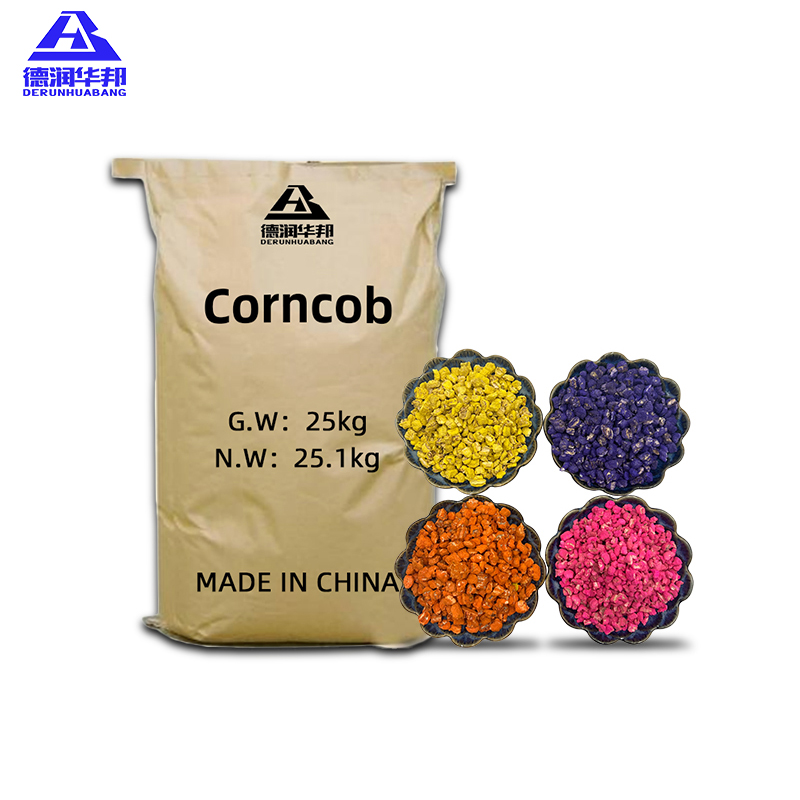
Industrial filler applications use corn cob to enhance material performance while cutting production costs and boosting sustainability credentials. Ground into fine or coarse particles, corn cob is added to plastic, rubber, and composite materials as natural, biodegradable filler that replaces synthetic options like glass fibers or petroleum-based fillers. In plastic products—such as decorative flower pots, garden edging, or disposable packaging—adding corn cob increases biodegradability dramatically: these products break down naturally in soil over time, rather than lingering in landfills for centuries. In rubber goods like floor mats, gym tiles, or industrial gaskets, corn cob adds texture for better grip and reduces overall weight without sacrificing durability, making products easier to install and transport. Construction materials benefit too: particleboard and insulation panels infused with corn cob gain improved thermal insulation, helping buildings retain heat in winter and stay cool in summer, while also enhancing soundproofing for quieter interiors. Beyond performance, corn cob’s low cost compared to synthetic fillers lowers production expenses for manufacturers, making sustainable products more affordable for consumers.
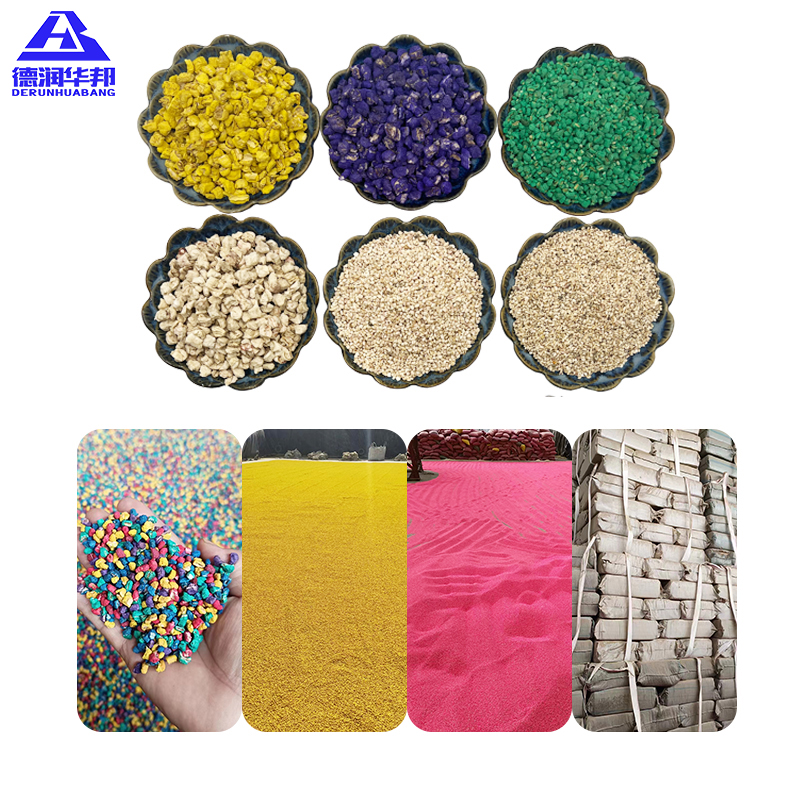
Pet care and household products integrate corn cob for its exceptional adsorption and gentle, biodegradable nature—areas where synthetic materials often fall short. Ground to fine, uniform particles, corn cob is key ingredient in premium cat litter, outperforming traditional clay litters in several ways: it absorbs moisture quickly to prevent bacterial growth, traps odors at source rather than masking them with fragrances, and remains dust-free to protect pets’ respiratory health. Its biodegradability means used litter can be composted (for non-edible plants) or disposed of without contributing to permanent landfill waste. Household cleaners use ultra-fine corn cob powder as gentle abrasive, perfect for removing stuck-on dirt from kitchen countertops, bathroom tiles, and stainless steel appliances without scratching delicate surfaces. It replaces harsh synthetic abrasives like silica or alumina, reducing environmental impact of cleaning routines. Even air fresheners and scent diffusers rely on corn cob: porous pellets soak up essential oils and release scents slowly and evenly over time, outlasting synthetic carriers that release fragrances in quick bursts. These applications bring corn cob’s sustainability and performance into everyday homes.
Sustainability and circular economy are at heart of corn cob’s growing appeal, turning what was once waste into model of resource efficiency. As agricultural byproduct, it repurposes material that would otherwise be burned (releasing carbon dioxide and pollutants) or dumped in landfills (taking up space and decomposing slowly). This redirection alone reduces landfill volume and air pollution from agricultural operations. Corn cob’s minimal processing—usually just sun-drying or low-temperature drying to remove moisture, followed by grinding—uses far less energy than manufacturing synthetic materials like plastic fillers or chemical adsorbents, slashing its carbon footprint. The circular lifecycle doesn’t end with its first use: used corn cob from adsorption or filler applications can be composted into mulch for non-agricultural uses, processed into biochar for energy, or even reused as low-grade filler in construction materials. For farmers, selling corn cob to industrial buyers creates extra income stream from crop residues that once had no economic value, strengthening rural economies while encouraging sustainable waste management practices.
Post time: Dec-05-2025