

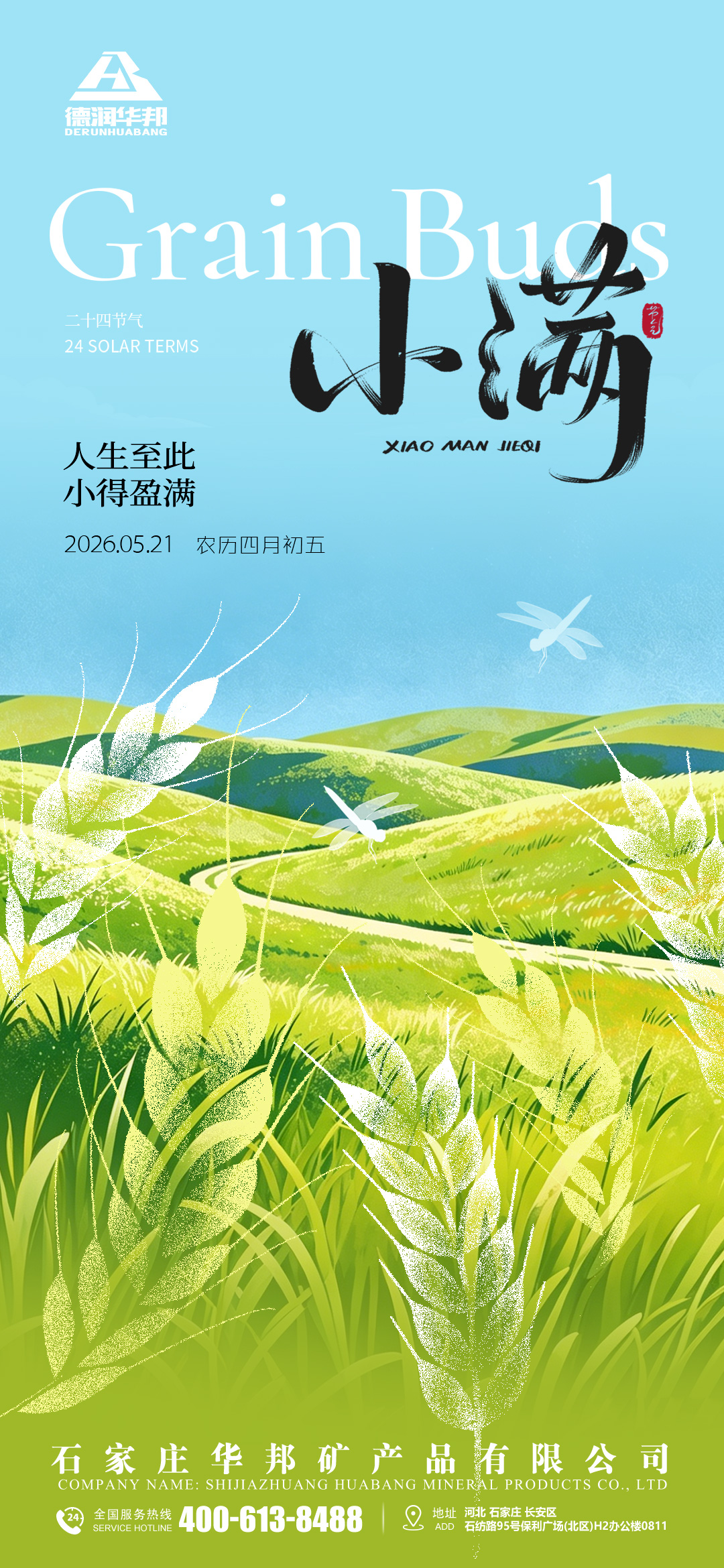
Grain Buds, known as “Xiaoman” (小满) in Chinese, is the eighth solar term in the traditional Chinese calendar, usually falling around May 20th to 22nd each year. As the name suggests, it means that the grains are beginning to ripen and become plump, yet they have not yet reached full maturity. This name carries a beautiful philosophical meaning — “small fullness” — reminding people that perfection is not the goal; rather, a state of gentle abundance is.
During Grain Buds, the weather grows noticeably warmer, and rainfall increases across much of China. This period is crucial for agriculture, as summer crops such as wheat, rice, and rapeseed enter their critical growth stage. Farmers are busy tending to their fields, ensuring that crops receive enough water and nutrients. In the south, rice paddies are filled with water, and seedlings are being transplanted. In the north, wheat ears are swelling with golden kernels.
Traditionally, people observe several customs during this time. Some eat bitter vegetables, which are believed to clear heat from the body in preparation for the hot summer ahead. Others visit silkworm goddesses to pray for a good silk harvest. The term “Xiaoman” also reflects an important life philosophy: never be too full, for overflow leads to loss. It teaches us to appreciate what we have while staying humble.
Grain Buds is a poetic reminder that life, like the grain, is always growing — and that there is beauty in the journey toward fullness.
Post time: May-22-2026