

Iron oxide pigments exist as foundational colorants that blend practical performance with creative potential, serving as bridge between functionality and visual appeal across diverse fields. Natural iron oxide pigments come from mineral deposits, carrying inherent earthy tones that connect to organic aesthetics, while synthetic variants offer broader color spectrum to meet customized needs. Both types share core traits—excellent color retention, resistance to environmental factors, and compatibility with multiple substrates—making them stand out among various pigments. These qualities allow iron oxide pigments to integrate into projects ranging from small-scale crafts to large industrial productions, bringing consistent color effects without compromising durability.

Interior design sector has embraced iron oxide pigments for their ability to add depth and warmth to spaces. Designers use pigment blends to create custom wall finishes, such as textured plaster or color-washed surfaces that change subtly with light angles. Furniture renovation relies on iron oxide pigments mixed into wood stains, reviving old pieces with rich hues that highlight grain patterns. Even soft furnishings benefit—fabric dyes infused with iron oxide pigments produce long-lasting colors for curtains, cushions, and rugs, resisting fading from frequent washing or sunlight exposure. Small decorative elements, like handmade ceramic tiles or resin art pieces, incorporate these pigments to achieve unique color gradients, turning ordinary objects into focal points of interior spaces.
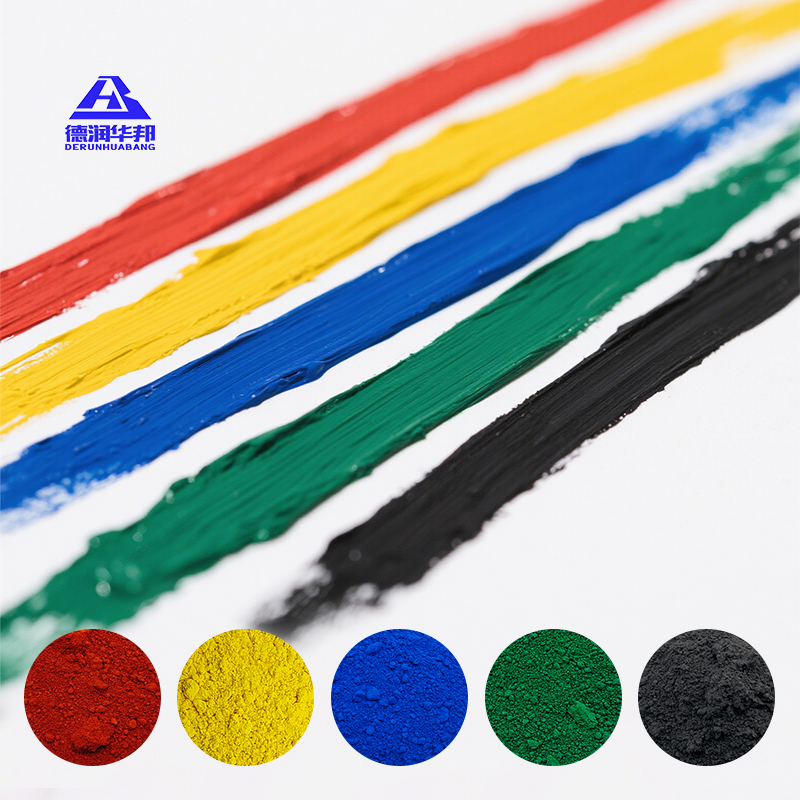
Exterior renovation projects depend on iron oxide pigments to refresh and protect structures. Old buildings undergoing restoration use these pigments in exterior paints to match original color schemes, as their stability ensures renovated surfaces blend seamlessly with existing architecture. Facade cladding materials, such as fiber cement boards or stone veneers, are colored with iron oxide pigments to enhance weather resistance, withstanding heavy rain, strong winds, and UV radiation for decades. Driveway and patio renovations often utilize colored concrete mixed with iron oxide pigments, replacing plain gray surfaces with warm tones that complement surrounding landscapes. Even outdoor furniture, from metal benches to wooden decks, uses coatings containing these pigments to resist corrosion and maintain appearance through seasonal changes.
Craft making community values iron oxide pigments for their versatility and ease of use. Hobbyists mix these pigments into epoxy resins to create jewelry, coasters, and decorative trays, where layers of pigmented resin form vivid patterns. Potters and ceramic artists use iron oxide pigments as underglazes or body stains, achieving effects from subtle speckles to bold solid colors when fired. Leather crafters incorporate these pigments into dyes, giving leather goods unique, aged-looking hues that develop character over time. Even candle makers and soap artisans use iron oxide pigments to add color, as they remain stable at high temperatures and do not leach harmful substances, ensuring safe and attractive finished products.
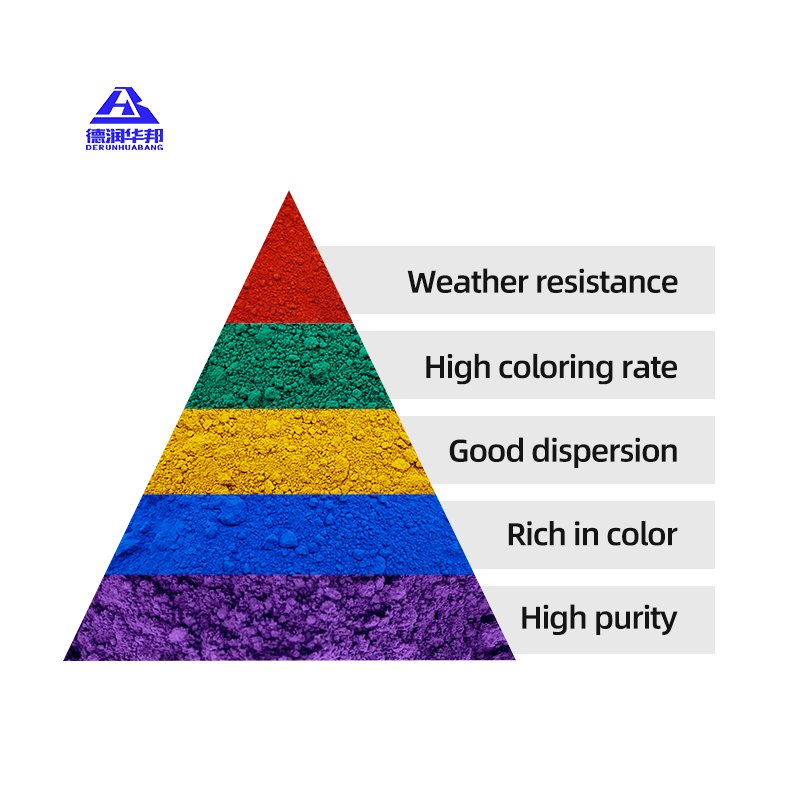
Industrial coatings sector relies on iron oxide pigments for their protective and color-coding functions. Manufacturers apply pigmented coatings to metal components of renewable energy equipment, such as solar panel frames and wind turbine bases, to prevent rust and corrosion in harsh outdoor environments. Electronic device casings use these pigments to achieve matte or glossy finishes that resist fingerprints and scratches. Pipeline and storage tank coatings incorporate iron oxide pigments for color coding, helping workers quickly identify contents or pressure levels to ensure operational safety. Automotive aftermarket parts, like bumpers and trim pieces, use these pigments to match original factory colors, maintaining vehicle aesthetics while ensuring durability.
Construction decoration projects leverage iron oxide pigments to enhance visual appeal of public and private spaces. Landscape architects use colored concrete mixed with these pigments to create decorative walkways, garden borders, and water features that blend with natural surroundings. Public art installations, such as murals and sculptural elements, use iron oxide pigments for their lightfastness, ensuring artworks remain vibrant for years in high-traffic areas. Commercial spaces, like shopping malls and office lobbies, use pigmented terrazzo floors and wall panels to create distinctive designs that reflect brand identity. Even residential fencing and gate systems use these pigments to add color, turning functional structures into decorative elements that boost property value.
Sustainable innovation has become defining trend, and iron oxide pigments align with this shift through eco-friendly characteristics. Many manufacturers produce these pigments using water-based processes that reduce air pollution, replacing harmful solvents with renewable resources. Iron oxide pigments are non-toxic and biodegradable in natural environments, making them safe for use in projects near water sources or green spaces. Their long lifespan reduces need for frequent repainting or replacement, cutting down material waste and carbon emissions. These traits make iron oxide pigments preferred choice for projects aiming to meet low-carbon design standards and eco-certification requirements.
Another key advantage of iron oxide pigments is their ability to blend with other materials without compromising performance. They mix seamlessly with resins, oils, water, and solvents, adapting to diverse production processes. This compatibility allows for endless color combinations, from soft pastels to deep, rich tones, giving creators full control over final results. Unlike some colorants that react negatively with certain substrates, iron oxide pigments form stable bonds, ensuring consistent performance across different applications.
As design and manufacturing sectors evolve, iron oxide pigments continue to expand their reach into new areas. Emerging applications include 3D printing materials, where pigmented filaments create colorful, durable printed parts, and smart coatings that change color in response to temperature or light—all made possible by stable properties of iron oxide pigments. Their ability to balance aesthetics, durability, and sustainability ensures they remain relevant in fast-changing industries, meeting demands of both professionals and hobbyists.
Post time: Dec-31-2025