

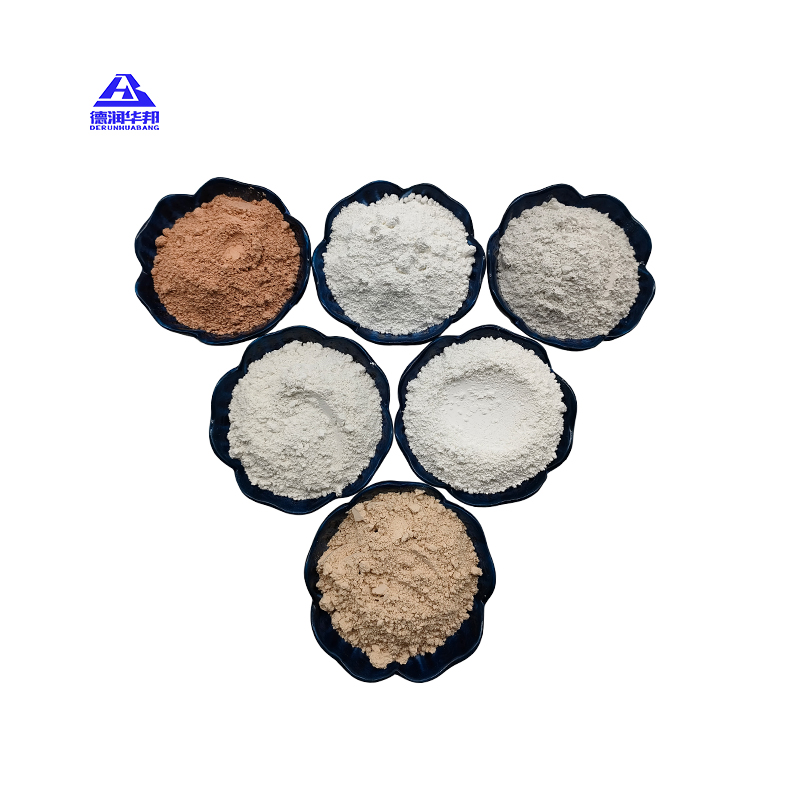
Kaolin Powder is naturally occurring non-metallic mineral dominated by kaolinite, featuring soft texture, fine particle size and distinctive physical-chemical traits. Core properties include inherent whiteness, excellent plasticity, stable chemical inertness and strong suspension ability—qualities that make it indispensable in specialized industrial formulations. Unlike minerals limited to narrow applications, kaolin powder can be customized through washing, calcining or surface modification to integrate seamlessly into diverse production systems, acting as hidden enhancer that elevates performance of end products without drawing attention to itself.
Processing methods shape functional characteristics of kaolin powder to match industry demands. Washing removes impurities and coarse grains, enhancing purity and whiteness to suit applications requiring clean, uniform appearance. Calcining involves heating under controlled conditions, which eliminates moisture and organic matter, altering crystal structure to boost hardness, thermal stability and opacity—critical for products exposed to high temperatures or harsh environments. Surface modification treats particles with coupling agents, improving compatibility with organic matrices like resins and polymers, ensuring uniform dispersion and maximizing reinforcing effects in composite materials.
Adhesive and sealant industry relies heavily on kaolin powder as functional filler. It enhances viscosity of adhesive formulations, preventing excessive flow during application and ensuring precise bonding. Fine particle size and strong suspension ability prevent sedimentation and stratification, maintaining consistency of adhesives during storage. Kaolin powder also boosts bonding strength by improving adhesion between adhesive and substrates—whether bonding wood, metal or plastic, it forms tight, durable bond that resists peeling and shearing. In construction sealants, it enhances flexibility and weather resistance, allowing sealants to adapt to temperature changes and structural movements without cracking, protecting buildings from water and air infiltration.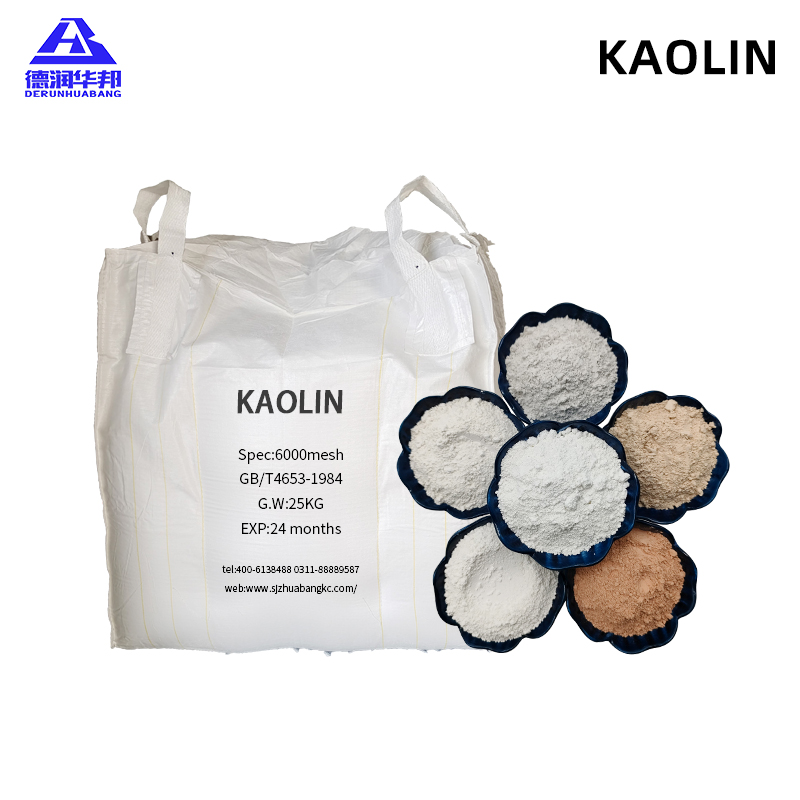
Refractory materials sector values kaolin powder for its exceptional thermal stability and high melting point. Mixed with other heat-resistant minerals, it forms formulations for refractory bricks, castables and furnace linings—key components in high-temperature industrial equipment. These materials retain structural integrity even under extreme heat, forming protective barrier that shields furnaces, reactors and kilns from damage. Kaolin powder’s thermal shock resistance prevents cracking from sudden temperature fluctuations, common in steelmaking, glass manufacturing and cement production. Its fine particles fill gaps between coarser refractory materials, improving density and strength of final products, extending service life and reducing maintenance costs.
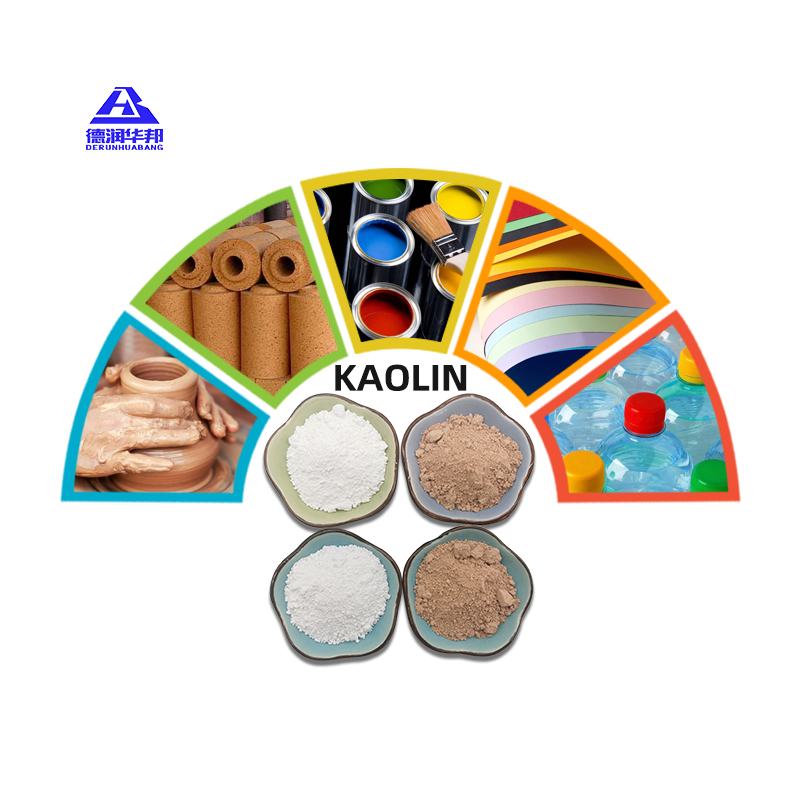
Ink industry incorporates kaolin powder to optimize printing performance. It improves ink fluidity, ensuring smooth transfer from printing plate to substrate and preventing issues like ink piling or uneven laydown. Stable suspension ability keeps pigment particles evenly distributed, maintaining consistent color density throughout printing jobs. Kaolin powder enhances ink’s covering power, allowing thin layers to achieve full coverage, while accelerating drying speed by absorbing moisture or solvents—reducing smudging risks and boosting production efficiency. Chemical inertness ensures compatibility with resins, pigments and solvents, avoiding unwanted reactions that could degrade ink quality or storage life.
Plastic and composite materials industry uses kaolin powder as reinforcing additive. Added to plastic formulations, it enhances rigidity, heat resistance and dimensional stability without compromising processability. Surface-modified kaolin powder disperses evenly in plastic matrices, forming strong bonds that improve tensile strength and impact resistance. This allows production of lighter, more durable plastic products for automotive parts, electronic housings and construction components. In composite materials, it acts as filler that boosts mechanical properties, reducing reliance on expensive synthetic fibers while maintaining structural performance.
Printing and packaging auxiliaries sector also benefits from kaolin powder’s properties. It is used in varnishes and overprints to enhance gloss, scratch resistance and printability. Kaolin powder improves adhesion of varnishes to printed surfaces, ensuring long-lasting protection against wear and environmental factors. In packaging adhesives, it stabilizes formulations and improves bonding strength, ensuring packages remain sealed during transportation and storage. Its natural whiteness also helps maintain clarity and appearance of transparent or light-colored packaging materials.
Post time: Jan-15-2026