

Core Properties
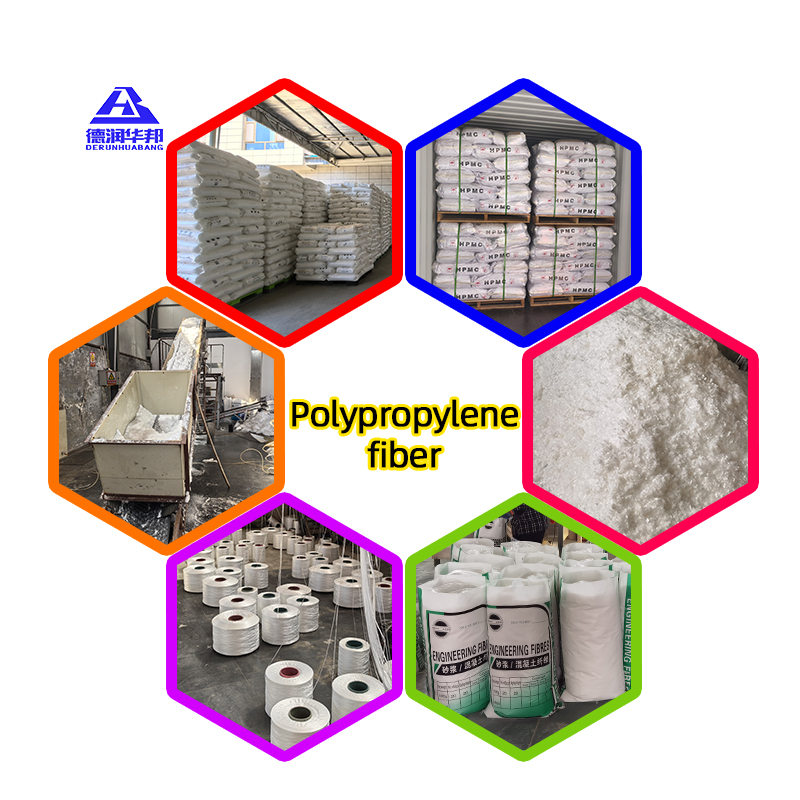
Polypropylene (PP) fiber is a synthetic fiber made from polypropylene resin through melt spinning. It is hydrophobic, chemically resistant, and exhibits high tensile strength-to-density ratio. With a density of only ~0.91 g/cm³, it is one of the lightest commercial fibers available. PP fiber is inherently resistant to mold, bacteria, and most solvents, and it does not absorb water, making it ideal for wet environments.
 erformance Advantages
- Durability in Harsh Conditions: Resists degradation from moisture, UV exposure (when stabilized), and chemical attack.
- Thermal Insulation & Low Conductivity: Offers excellent thermal resistance, suitable for protective clothing and insulation materials.
- Flexibility & Processability: Easily spun into monofilaments, multifilaments, or staple fibers for weaving, nonwovens, and composites.
- Cost-Effective Production: Low raw material and processing costs enable large-scale use across industries.
Key Application Domains
- Construction: Used as reinforcement in concrete (plastic crack control), reducing shrinkage cracks in slabs and pavements.
- Textiles & Apparel: Found in sportswear, thermal underwear, and outdoor gear due to moisture-wicking and quick-drying properties.
- Medical & Hygiene: A core component in surgical masks, diapers, and sanitary products via spunbond and meltblown nonwovens.
- Packaging: Widely used in woven sacks, ropes, and twine for agricultural and industrial transport.
- Automotive: Integrated into interior trims, carpeting, and acoustic insulation for lightweighting and durability.
Sustainability Aspects
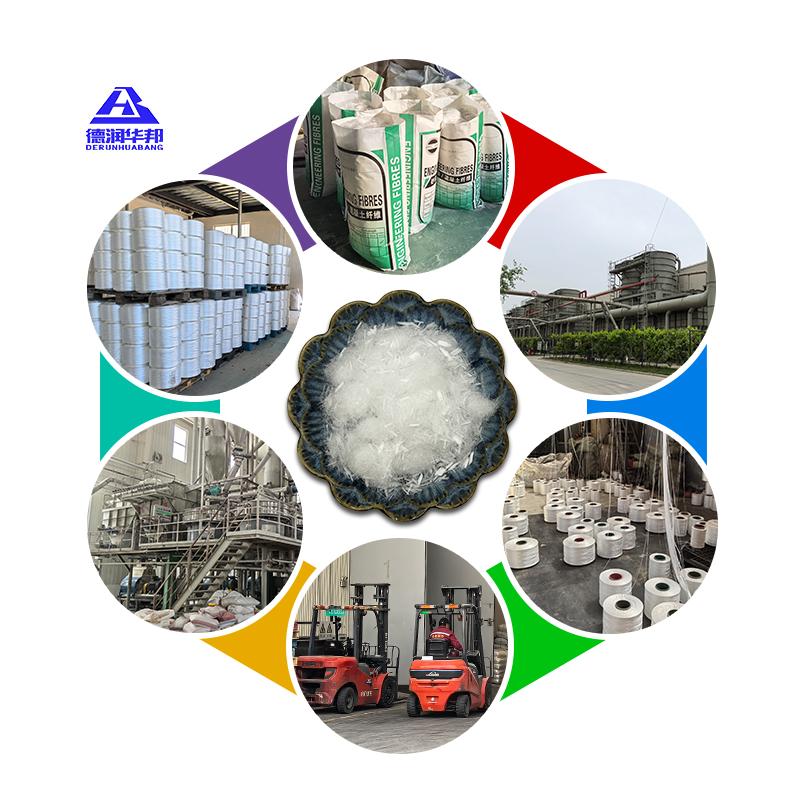
Polypropylene fiber is recyclable (classified as #5 plastic), and mechanical recycling processes are well-established. Its long service life and resistance to degradation reduce replacement frequency, lowering environmental impact. However, like most plastics, it is derived from fossil fuels, and microfiber shedding remains a concern. Innovations in bio-based polypropylene and chemical recycling are emerging to improve its sustainability profile. Additionally, its use in energy-efficient buildings and lightweight vehicles contributes to indirect carbon savings.
Post time: Apr-20-2026