

Sepiolite fiber is natural magnesium silicate mineral formed through long term geological processes that mainly involve slow sedimentation of magnesium rich clay particles and subsequent mineralization under specific temperature and pressure conditions. These processes usually occur in shallow marine or lacustrine sedimentary environments, where gradual accumulation and chemical transformation give rise to unique mineral structure of sepiolite fiber. It features distinct needle like morphology that can be observed under microscope and layered chain internal structure composed of silicon oxygen tetrahedrons and magnesium oxygen octahedrons, which interlock to create extensive and interconnected porous network. This network consists of numerous micro sized channels and tiny voids that run through entire fiber body, providing foundation for sepiolite fiber’s remarkable capabilities that make it stand out among many common mineral materials. Unlike synthetic fibers that require complex industrial manufacturing processes involving chemical synthesis and spinning, sepiolite fiber is directly extracted from natural mineral deposits distributed in several regions globally. After extraction, it undergoes carefully controlled crushing to break down large lumps, followed by purification processes to remove impurities like sand, clay minerals and organic residues, and finally fiber separation processes to preserve its inherent needle like shape and porous structure, ensuring its key properties are not compromised.
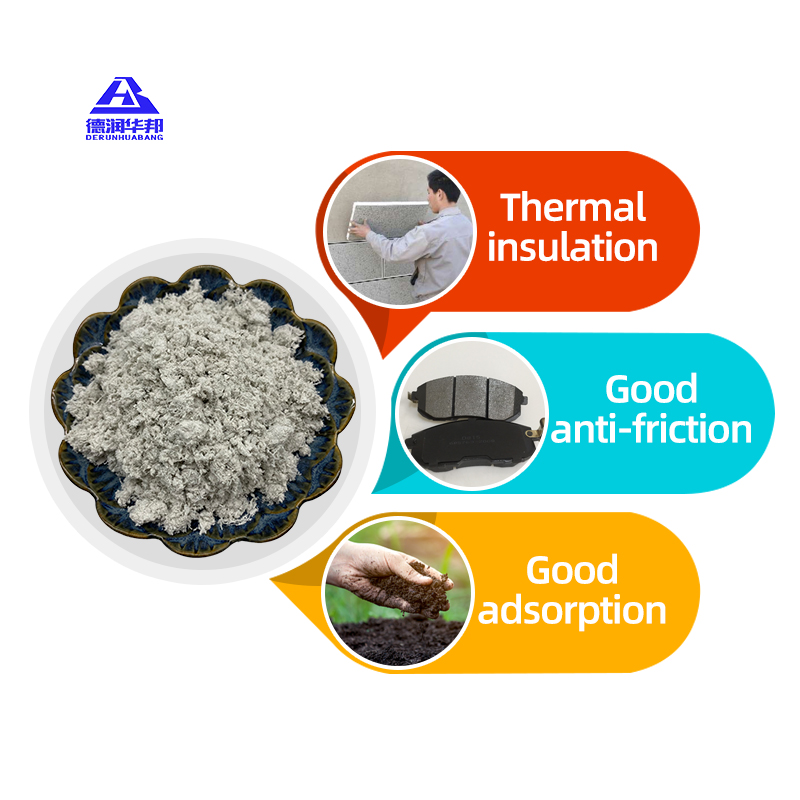
Key characteristic of sepiolite fiber that underpins its wide applications is its strong adsorption capacity, which primarily comes from extremely large specific surface area provided by its intricate porous structure. Each single sepiolite fiber has surface area that allows it to come into contact with large amounts of target substances. Surface of sepiolite fiber is densely covered with active hydroxyl groups and oxygen containing functional groups that can form stable bonds with various substances through physical adsorption and surface chemical combination, allowing it to capture and retain impurities, moisture and other molecules effectively. This powerful adsorption property also pairs with excellent dispersion ability—sepiolite fiber can spread evenly in various liquid or solid matrices without forming agglomerates, a trait that ensures its performance is fully exerted in different application systems. Another notable trait is its outstanding structural stability; sepiolite fiber maintains its original shape and key properties under moderate temperature conditions and in presence of non strong acid or alkali chemical environments, which makes it suitable for diverse industrial environments ranging from coating production lines to papermaking workshops and environmental treatment sites. Additionally, it has good compatibility with other common industrial materials, enabling it to be easily mixed with resins, pulps, coatings and other substrates without causing adverse reactions.
Coatings industry benefits greatly from sepiolite fiber’s unique combination of properties, making it indispensable additive in many coating formulations. When added to water based coatings, which are widely used in architectural and decorative fields, sepiolite fiber acts as both rheological modifier and reinforcing agent. Its slender needle like shape forms three dimensional interlocking network within coating matrix, which effectively prevents coating from sagging when applied on vertical surfaces and improves overall film forming quality by ensuring uniform thickness. Porous structure of sepiolite fiber also helps absorb excess moisture and volatile organic components in coatings during drying process, reducing occurrence of cracks, bubbles and peeling of dried coating films. When used in solvent based coatings for industrial equipment, sepiolite fiber enhances adhesion of coatings to metal or concrete substrates, making coated surfaces more durable and resistant to mechanical wear and chemical erosion. In decorative coatings, it can even improve hiding power of pigments by promoting uniform distribution of pigment particles, reducing amount of pigment needed while maintaining good color performance. Furthermore, in anti corrosion coatings, sepiolite fiber’s barrier effect can slow down penetration of corrosive media, extending service life of coated products.
Papermaking industry is another important field where sepiolite fiber plays significant and irreplaceable role, contributing to improvement of both product quality and production efficiency. Adding appropriate amount of sepiolite fiber to pulp mixture before papermaking significantly improves mechanical strength and overall quality of paper products. Slender needle like sepiolite fibers interweave tightly with cellulose fibers in pulp, forming more compact and stronger network structure that directly increases tensile strength, tear resistance and folding endurance of paper. This is particularly beneficial for packaging papers and cardboard that require high strength to withstand transportation and storage pressures. Porous nature of sepiolite fiber also enhances water retention capacity in pulp during papermaking process, which improves formation uniformity of paper sheets and reduces energy consumption in subsequent drying stage by slowing down water evaporation rate appropriately. For specialty papers like filter paper used in industrial filtration and air purification, sepiolite fiber’s inherent adsorption and filtration properties help improve paper’s ability to trap fine particles and impurities, expanding application scope of filter paper to fields like beverage filtration and industrial dust collection. Additionally, sepiolite fiber can reduce wear on papermaking equipment by acting as buffer between hard particles and machine parts, lowering maintenance costs.
Environmental remediation is emerging and promising application area where sepiolite fiber shows great potential, especially in addressing soil and water pollution issues. Its strong and selective adsorption capacity makes it cost effective and efficient material for treating contaminated soil and groundwater. When mixed into soil contaminated by heavy metals such as lead, cadmium and mercury, sepiolite fiber quickly adsorbs these metal ions onto its surface and within its porous structure, forming stable complexes that prevent metals from leaching into groundwater or being absorbed by plants, thus stopping pollution from spreading and reducing ecological toxicity. For soil contaminated by organic pollutants like petroleum hydrocarbons and pesticides, sepiolite fiber’s large surface area and hydrophobic regions can trap these organic molecules, reducing their bioavailability. In groundwater treatment systems, sepiolite fiber can be packed into filter columns as specialized filter medium to remove harmful substances including organic pollutants and heavy metals from groundwater sources before they are used. Compared with some synthetic remediation materials that are expensive and may cause secondary pollution, sepiolite fiber is more cost effective and environmentally friendly, as it is natural mineral that does not introduce new harmful substances into environment and can be regenerated through simple desorption processes for repeated use in remediation projects.
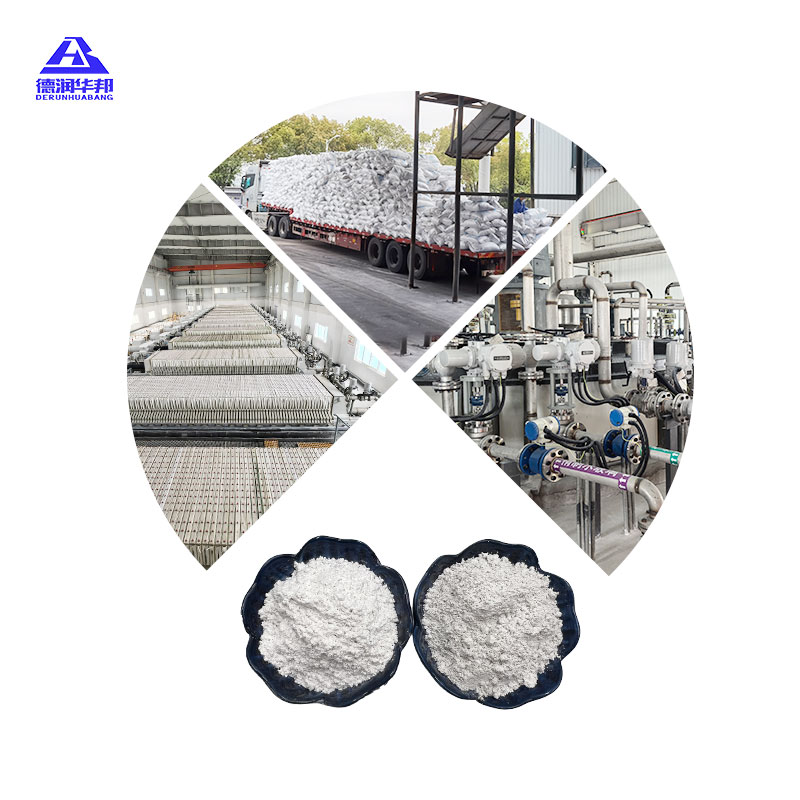
Processing of sepiolite fiber is relatively simple compared with synthetic fiber production and focuses primarily on preserving its natural properties while removing impurities. Entire process starts with mining from natural deposits, where raw sepiolite is excavated and transported to processing plants. First step is crushing, where raw sepiolite lumps are broken down into smaller particles using jaw crushers or roller crushers, ensuring subsequent processing can be carried out evenly. Next step is purification, which usually involves washing with water to remove soluble impurities and screening to separate sand and large clay particles. For high demand applications, magnetic separation or flotation may be used to further remove iron bearing impurities that could affect color and performance. Then, fiber separation process is carried out using mechanical grinders or air classifiers to separate needle like sepiolite fibers from other mineral components while maintaining their length and structure. Sometimes, surface modification is done to enhance specific properties of sepiolite fiber—for example, treating with silane coupling agents to improve compatibility with polymer matrices, or acid treatment to expand pore size and increase adsorption capacity for certain pollutants.
Post time: Dec-16-2025