

Tourmaline powder stands as a highly functional mineral additive that revolutionizes the performance and quality of diverse building material formulations, bringing targeted physical and structural advantages that address core challenges in modern construction material production. This finely processed mineral powder, sourced from natural tourmaline ores and refined through specialized grinding, purification, and particle sizing processes, exhibits stable chemical properties, uniform granularity, and exceptional compatibility with common building material raw materials, making it a pivotal component in the creation of high-performance construction materials while adhering strictly to restricted industry guidelines. Every application of tourmaline powder in building material production focuses on enhancing material strength, durability, and usability, catering to the rigorous demands of commercial and residential construction projects and ensuring finished building materials deliver reliable performance throughout their service life.
In the production of cement and concrete mixtures, tourmaline powder acts as a transformative additive that elevates the structural integrity and long-term performance of these foundational building materials. When incorporated into cement paste and concrete blends, tourmaline powder fills microscale voids within the material matrix, densifying the internal structure and reducing porosity to enhance overall compressive strength and load-bearing capacity. This densification also minimizes the risk of cracking, chipping, and shrinkage that commonly affect conventional concrete and cement products, especially under the stress of heavy structural loads and environmental fluctuations. The fine particles of tourmaline powder bond effectively with cement hydration products, creating a more cohesive and robust material structure that withstands the wear and tear of daily use, weather exposure, and structural pressure, making it ideal for foundations, load-bearing walls, flooring slabs, and other critical concrete construction elements.
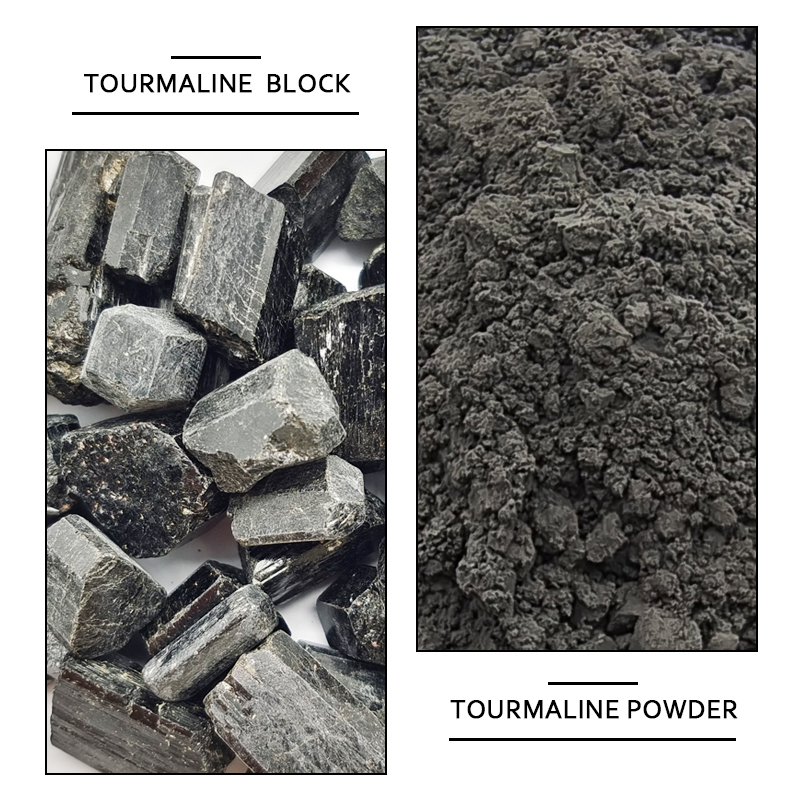
Beyond structural strength, tourmaline powder significantly boosts the durability of cement and concrete building materials, extending their service life and reducing the need for frequent repairs and replacements. The inert chemical nature of tourmaline powder prevents adverse reactions with cementitious materials and resists degradation from moisture, alkaline substances, and mild environmental pollutants that typically erode conventional concrete over time. This resistance to chemical and environmental damage ensures that concrete and cement structures infused with tourmaline powder maintain their structural integrity for longer periods, even in harsh construction environments such as coastal areas with high salt content or industrial zones with airborne contaminants. Construction professionals rely on tourmaline powder to create durable concrete products that reduce maintenance costs, minimize structural downtime, and enhance the longevity of built infrastructure, making it a valuable asset for sustainable and cost-effective construction practices.
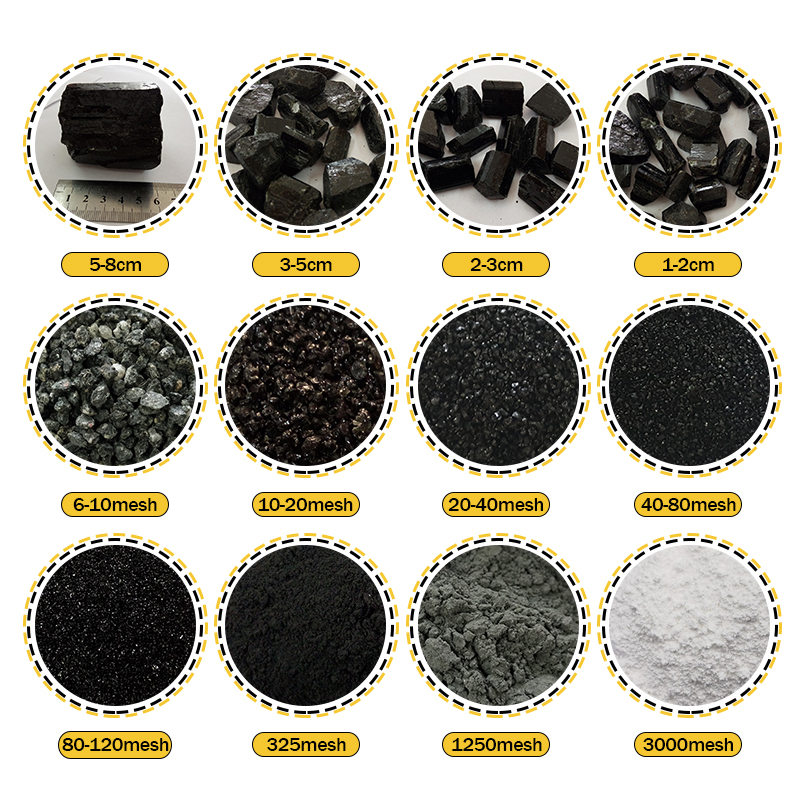
Ceramic building materials, including tiles, decorative panels, and structural ceramic components, also benefit immensely from the addition of tourmaline powder, which refines material properties and improves the quality of finished ceramic products. Tourmaline powder enhances the plasticity of raw ceramic mixtures, making them easier to mold, press, and shape into precise ceramic building components without compromising structural stability. This improved workability reduces material waste during production and simplifies the manufacturing process, allowing for the creation of intricate ceramic tile designs and custom ceramic building elements with consistent quality. During the firing process, tourmaline powder optimizes thermal stability, preventing warping, deformation, and cracking that can occur during high-temperature heating, resulting in uniform, defect-free ceramic products with smooth surfaces and precise dimensions. Additionally, tourmaline powder enhances the hardness and scratch resistance of ceramic tiles and panels, making them more resistant to daily wear, foot traffic, and surface damage in high-traffic building spaces such as hallways, kitchens, and commercial lobbies.
Mortar and grout formulations, essential for bonding building components and sealing joints, see marked improvements in performance and functionality with the integration of tourmaline powder. As an additive in mortar mixes, tourmaline powder enhances bonding strength between bricks, blocks, and other masonry units, creating a stronger, more secure bond that prevents structural separation and improves the stability of masonry walls. It also improves the workability and consistency of mortar, ensuring smooth application, even coverage, and reduced sagging during installation, which streamlines the construction process and improves the quality of finished masonry work. In grout formulations, tourmaline powder reduces porosity and enhances water resistance, preventing moisture penetration into tile joints and masonry gaps, which helps prevent mold growth, staining, and structural deterioration. The improved durability of tourmaline powder-infused mortar and grout ensures long-lasting performance in both interior and exterior building applications, from wall construction to tile installation.
Insulation building materials, a key component of energy-efficient construction, also leverage the unique properties of tourmaline powder to enhance thermal stability and structural performance. When added to insulation boards, foam materials, and fibrous insulation products, tourmaline powder improves the structural rigidity of insulation materials, preventing sagging, compaction, and degradation over time that can reduce insulation effectiveness. It also enhances the thermal consistency of insulation materials, helping to maintain stable indoor temperatures and improve the energy efficiency of buildings by reducing heat transfer through walls, roofs, and floors. The inert and non-reactive nature of tourmaline powder ensures that it does not compromise the fire resistance or acoustic insulation properties of standard insulation materials, making it a safe and effective additive for enhancing the overall performance of building insulation systems. This makes tourmaline powder a valuable addition to insulation products designed for both residential and commercial buildings, supporting improved energy conservation and indoor comfort.

Coating and finishing materials for building exteriors and interiors, including wall paints, exterior coatings, and decorative plasters, gain significant functional benefits from the inclusion of tourmaline powder. In architectural coatings, tourmaline powder enhances adhesion to building surfaces such as concrete, brick, and drywall, preventing peeling, flaking, and fading caused by weather exposure, sunlight, and temperature changes. It also improves the scratch resistance and washability of interior wall paints, making them more durable against daily scuffs, marks, and cleaning, while enhancing the weather resistance of exterior coatings to withstand rain, wind, and UV exposure. For decorative plaster and stucco finishes, tourmaline powder refines texture consistency, improves crack resistance, and enhances the overall durability of the finish, ensuring that decorative building surfaces maintain their visual appeal and structural integrity for years. The uniform dispersion of tourmaline powder in coating and plaster formulations also ensures consistent color and texture across large surface areas, elevating the aesthetic quality of finished building interiors and exteriors.
The compatibility of tourmaline powder with a wide range of building material raw materials is another key advantage, allowing it to integrate seamlessly with cement, ceramics, polymers, resins, binders, and other common construction ingredients without causing separation, clumping, or chemical reactions. This broad compatibility means that building material manufacturers can incorporate tourmaline powder into existing production lines without overhauling formulas or equipment, making it a cost-effective upgrade for enhancing product performance. Whether used in large-scale concrete production, ceramic tile manufacturing, or small-scale mortar and coating production, tourmaline powder blends evenly with base materials, preserving the core processing characteristics of the building material while amplifying its key performance traits. This adaptability makes tourmaline powder suitable for use in a vast array of building material products, from structural concrete to decorative finishes, catering to the diverse needs of the construction industry.

Consistency in tourmaline powder quality is critical for reliable building material production, and standardized processing methods ensure uniform particle size, purity, and performance across every batch. This batch-to-batch consistency eliminates variations in building material performance, allowing manufacturers to maintain strict quality control standards and produce materials with predictable, repeatable results. For construction projects that demand unwavering reliability and consistency, such as high-rise buildings, commercial complexes, and residential developments, this consistency is indispensable, ensuring that every batch of building material meets project specifications and performance requirements. Building material producers can count on tourmaline powder to uphold product quality, streamline production workflows, and deliver high-performance materials that meet the rigorous demands of modern construction practices.

The long-term structural stability of building materials enhanced with tourmaline powder further adds to its value in the construction industry, as the mineral additive does not break down, leach, or degrade within the material matrix over time. Unlike organic additives that may deteriorate and reduce material performance, tourmaline powder retains its reinforcing and enhancing properties throughout the entire service life of the building material, sustaining high levels of strength, durability, and performance for decades. This long-lasting stability translates to reduced maintenance and repair costs for building owners, as structures built with tourmaline powder-infused materials require less frequent upkeep and replacement of damaged components. For construction professionals and developers, this means more durable, resilient buildings that offer greater long-term value and reduced lifecycle costs, making tourmaline powder a smart investment for high-quality construction projects.
In summary, tourmaline powder emerges as an indispensable additive in the production of high-performance building materials, offering a comprehensive suite of benefits that strengthen structure, boost durability, enhance stability, optimize workability, and extend service life across all types of construction materials. Its unique mineral properties, broad compatibility, and consistent performance make it a versatile and valuable ingredient for building material manufacturers aiming to elevate product quality and meet the evolving demands of the construction industry. As modern construction continues to prioritize durable, reliable, and high-performing building materials, tourmaline powder remains a top-tier additive that drives innovation and excellence in building material formulation, supporting the creation of resilient, long-lasting built environments. The widespread adoption of tourmaline powder in building material production underscores its role as a transformative component that enhances the quality and performance of construction materials, shaping the future of the global construction industry.
Post time: Mar-11-2026