

Diatomite, known as “the wonderful porous material of nature”, is a natural mineral. It is formed by the fossil remains of diatom (a smiling unicellular algae living in ancient lakes and shallow seas) over millions of years. Diatomite is widely used in all walks of life around the world because of its unique causes, which endows it with excellent physical and chemical properties.
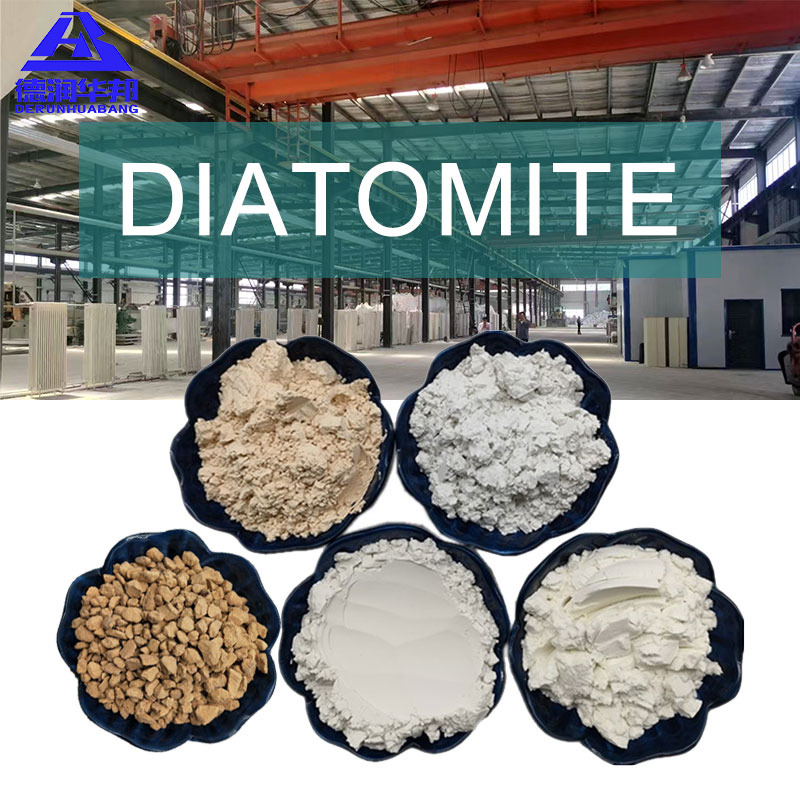
1. Formation of Diatomite: Geological Evolution in Million Years
Diatoms are tiny organisms with silica cell walls, which are difficult to decompose. When these creatures die, their diatom shells will sink to the bottom of the water and form a thick accumulation layer. After centuries of extrusion and mineralization, these layers are transformed into diatomaceous earth deposits without destroying their porous structure. The formation of this landform requires specific conditions: shallow water basin, rich siliceous source and stable water body, so as to preserve the silica shell of diatoms.
Nowadays, high-quality diatomite minerals have been found all over the world, and some of them are particularly eye-catching. China, the United States and Europe all have mineral deposits. The purity and structure of these mineral deposits are different, but they all retain the core feature of diatomite-porous structure.
2. Key characteristics of diatomite: Why is it unique?
The unique characteristics of diatomite come from the fossil structure formed by its organism, which makes it different from other synthetic or natural materials:
Porous structure: Its interior contains pores with different sizes, ranging from nano-scale to micron-scale, and the porosity ranges from 60% to 90%, which makes diatomite have huge specific surface area and can realize strong adsorption and filtration.
Chemical stability: its main component is amorphous silicon dioxide (SiO2), which is chemically stable, resistant to most acids and bases, non-toxic, tasteless and environmentally friendly.
Physical characteristics: it is light and low in hardness, easy to be processed into powder or special shape, and does not need to destroy its porous structure.
Heat resistance: Diatomite has a melting point of 1650-1750℃, which has good heat resistance and stability even in high-temperature applications such as industrial insulation.
Together, these characteristics make diatomite a very flexible material, which can also effectively filter tiny particles and adsorb pollutants, and can also be used as a filler to enhance product performance.
3. Practical application: advantages of diatomite
Diatomite has a wide range of applications and has become an essential material for many industries. Uses cover daily necessities, high-tech technology and so on.
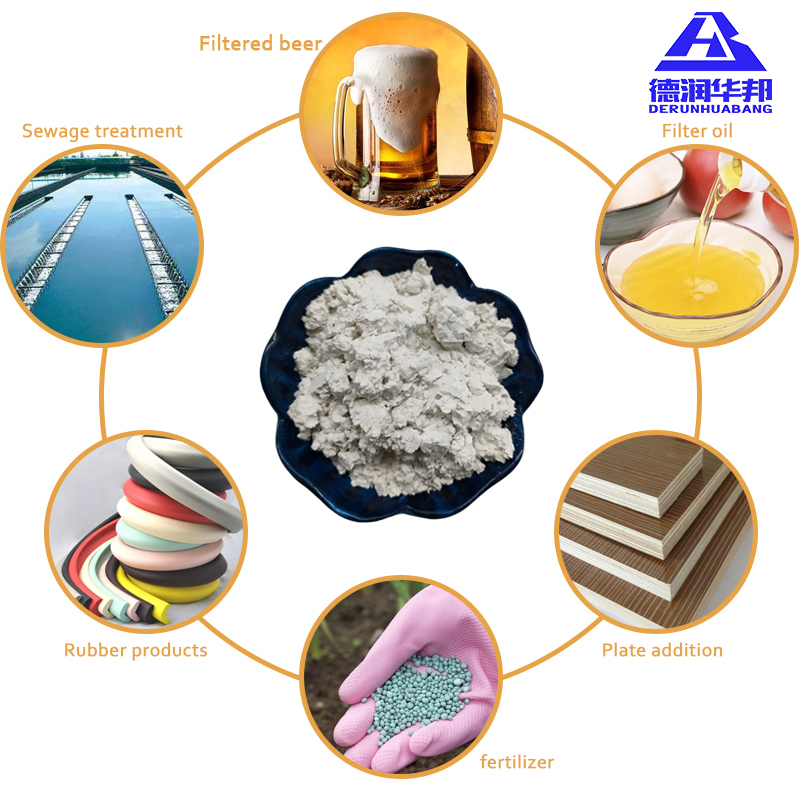
Industrial filtration (the most widely used)
As a natural filter aid, the porous structure of diatomite can intercept particles of 0.1-1.0 microns through mechanical screening and electrostatic adsorption. It is widely used in:
Food and beverage: clarify beer, wine, fruit juice and edible oil, and remove impurities, yeast and pigments.
Water treatment: Purify drinking water, industrial wastewater and swimming pool water by removing bacteria, heavy metals and organic pollutants.
environmental protection
Diatomite has strong adsorption capacity, which makes it an ideal choice for environmental protection materials.
Wastewater treatment: adsorption of dyes, heavy metals (such as lead and zinc) and organic pollutants in industrial wastewater.
Air purification: used in air filters, wall materials and coatings to capture impurities, dust, formaldehyde and odor and improve indoor air quality.
Soil remediation: enhancing soil aeration and water retention, colleagues adsorbing harmful pollutants and promoting the healthy growth of plants.
Architecture and construction
Diatomite is a valuable material because of its light weight and excellent thermal insulation.
Building materials: wall materials (such as diatom mud) regulate indoor humidity by absorbing and releasing moisture, and provide sound insulation and fire prevention functions at the same time.
Thermal insulation products: used for thermal insulation of industrial equipment and buildings such as thermal insulation bricks, pipes and walls to reduce energy consumption.
Other industries
Functional filler: added to paint, plastic and rubber to improve strength, wear resistance and stability.
Agricultural use: It can be used as a natural insecticide (destroying the exoskeleton of pests) and feed additive to enhance animal digestion.
Catalyst carrier: provides a stable foundation for chemical reactions, such as petroleum processing and biodiesel production.
4. How to choose high-quality diatomite
Not all diatomaceous earth are of the same quality, but its purity, structure and processing method determine its properties.
Silica content (SiO2): high purity (above 80%) is an ideal choice for food and high-precision filtration industries.
Pore structure: uniform pore size distribution can ensure continuous filtration effect and adsorption efficiency.
Processing technology: For example, calcination (high temperature treatment) or washing (impurity removal) can improve the product performance without damaging the porous structure.
Compliance certification: find reliable suppliers, such as quality and safety system certification, ROHS certificate, etc.
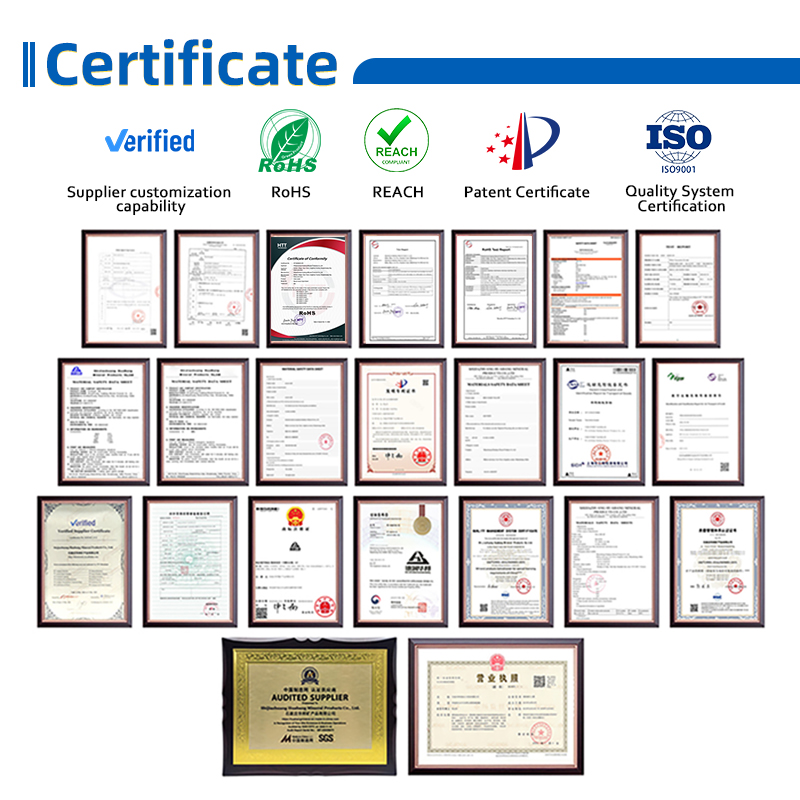
As a direct manufacturer, we give priority to these standards. Our diatomite has passed strict quality Confucius, and every batch of products has to be tested for silicon dioxide content, pore distribution and heavy metal residue to meet the global industry demand.
5. Comparison between diatomite and other materials
Quartz sand: Compared with quartz sand, diatomite has higher filtration accuracy, that is, rejection rate, can filter tiny particles that quartz sand cannot filter, and needs to be replaced less frequently.
Perlite: Although the flow speed of perlite is faster, diatomite has better performance in adsorbing organic pollutants, and the filter cake is more stable, which is suitable for high transparency application scenarios (such as beer and other industries).
The right choice depends on your needs, but diatomite is unmatched in projects that need to give consideration to accuracy, sustainability and reliability.
Conclusion: Diatomite-the solution of nature in modern challenges.
From purifying drinking water to improving industrial production efficiency, diatomite’s natural source and excellent performance make it an indispensable material in the world.
As a reliable supplier with direct mineral resources, we can provide tailor-made solutions for filtration, environmental protection, construction and other fields. These schemes have undergone rigorous testing and verification, and are in line with global compliance certification.
Whether you are looking for food-grade filter AIDS, environmentally-friendly building materials or industrial adsorption solutions, our team is ready to provide you with personalized service and free samples to help you find the right diatomite products.
Post time: Mar-16-2026