

Mica Powder is a versatile mineral powder primarily composed of layered aluminum silicate minerals, possessing properties such as electrical insulation, heat resistance, and chemical stability. The main component of mica powder is potassium aluminum silicate with a unique flaky crystalline structure, while also containing small amounts of impurities such as iron, magnesium, and sodium. Mica Powder’s unique physical and chemical properties have made it an indispensable material in various industries worldwide, with applications spanning electrical engineering, coatings, cosmetics, and advanced manufacturing.
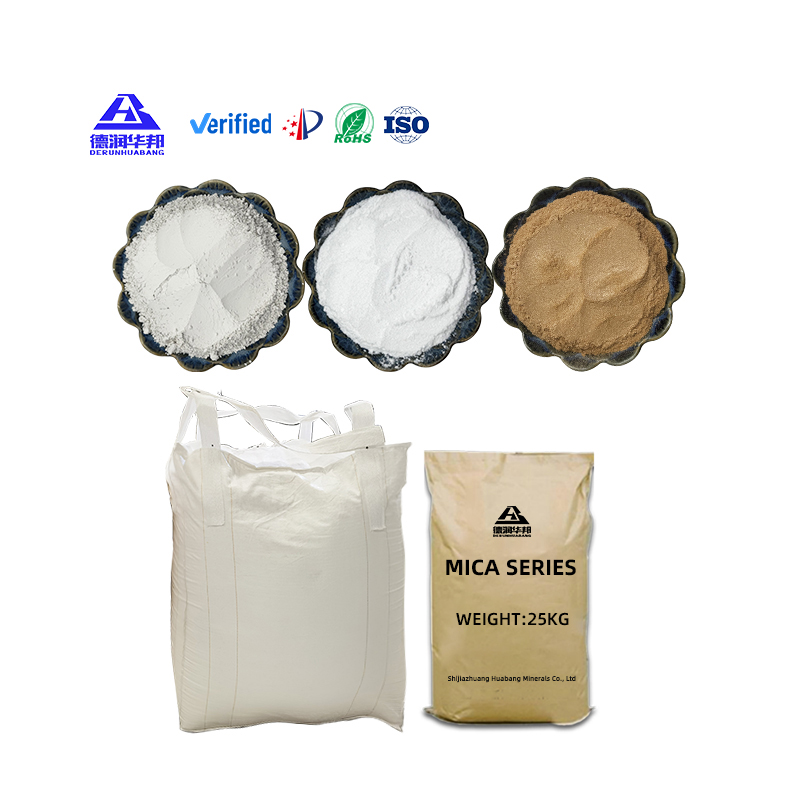
1. The Formation of Mica Powder: A Geological Miracle Shaped by Earth’s Crust and Time
The main component of natural mica powder is mica minerals formed deep within the Earth’s crust. During geological processes, aluminum-rich magma and hydrothermal fluids interact under high temperature and pressure conditions. Over millions of years, these elements crystallize into mica’s distinctive layered phyllosilicate structure, creating perfect basal cleavage that allows splitting into thin, transparent sheets. Synthetic mica is manufactured through controlled high-temperature fusion of quartz sand, aluminum oxide, and other raw materials, creating artificial crystals with enhanced purity and performance. During processing, mica is ground into various particle sizes—from coarse flakes (6-10 mesh) to ultrafine powder (1250 mesh)—thus laying the foundation for mica powder’s diverse applications.
Today, high-quality mica powder is produced globally. Major natural mica producing areas include India, China, Russia, and the United States. In China, processing centers specialize in dry-ground, wet-ground, and synthetic mica products. These products differ in processing methods and quality grades (classified as dry-ground mica, wet-ground mica, sericite mica, synthetic mica, pearlescent mica, golden mica, and black mica), but they all retain the core characteristics of mica powder—excellent electrical insulation, thermal stability, and platy particle morphology derived from the unique layered crystal structure.
2. Key Properties of Mica Powder: Why is it so outstanding?
The superior performance of mica powder stems from its unique crystal structure and chemical composition.
Excellent Electrical Insulation: Mica possesses one of the highest dielectric strength ratings among natural minerals (up to 150-200 kV/mm), making it an exceptional electrical insulator for high-voltage applications and electronic components.
Outstanding Heat Resistance: Mica remains stable at temperatures up to 600-800°C, with some synthetic grades withstanding over 1000°C. This thermal stability enables use in extreme temperature environments without degradation.
Chemical Inertness: Mica is chemically stable, resistant to acids, alkalis, and solvents, non-toxic, and environmentally friendly. It does not readily react with most substances, ensuring safety and reliability in various applications.
Perfect Basal Cleavage and Flaky Structure: The unique layered structure allows mica to split into thin, flexible sheets with high aspect ratios (diameter-to-thickness ratios from 15:1 up to 80:1), providing barrier properties, reinforcement, and surface coverage.
Low Thermal Conductivity: Mica provides excellent thermal insulation while maintaining electrical insulation, a rare combination valuable for thermal-electrical applications.
Weather Resistance and UV Stability: Mica reflects ultraviolet radiation and withstands weathering, maintaining performance in outdoor and harsh environmental conditions.
Lubricity and Anti-Stick Properties: The smooth, flaky surfaces reduce friction and prevent adhesion, useful in coatings and molding applications.
These properties work synergistically, making mica powder a widely used material. It can be used as an electrical insulator, reinforcing filler, barrier pigment, heat-resistant component, or functional additive to meet the diverse functional needs of various industries.
Mica powder has wide applications and is deeply integrated into all sectors of the national economy, playing an irreplaceable role in electrical engineering, manufacturing, construction, and consumer products.
3. The Wide Range of Uses of Mica Powder
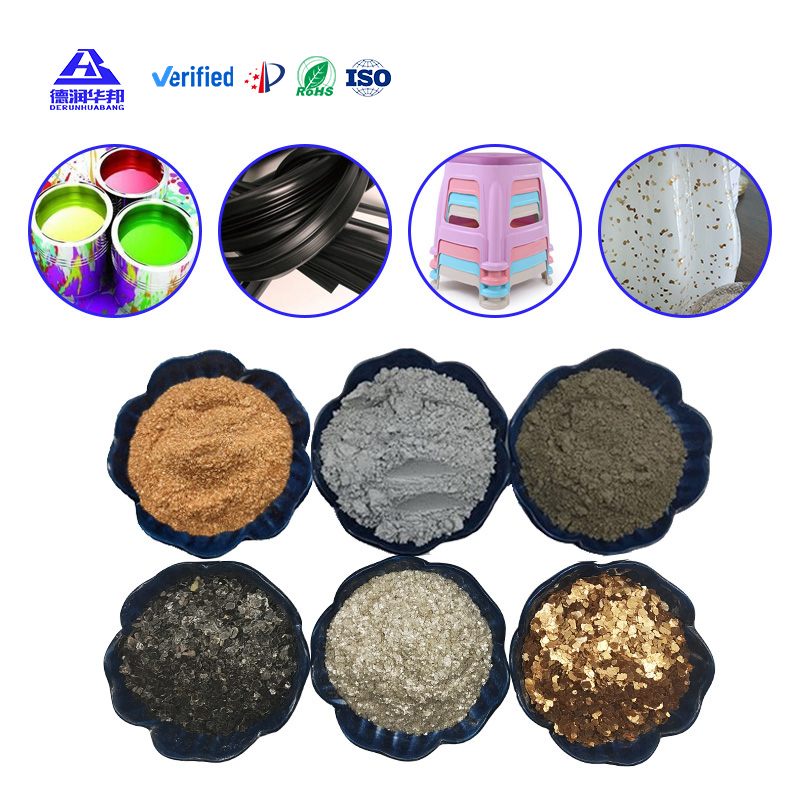
3.1 Electrical and Electronics Industry (Core Applications)
Mica powder’s excellent dielectric properties, heat resistance, and insulation make it an ideal material for electrical applications:
High-Voltage Insulation: Used in commutator segments, heating elements, and capacitor manufacturing where exceptional dielectric strength and thermal endurance are critical.
Mica Boards and Sheets: Compressed mica products serve as insulation in electric motors, generators, transformers, and switchgear, providing reliable performance under extreme electrical and thermal stress.
Electronic Components: Essential for insulating washers, spacers, and substrates in high-frequency and high-temperature electronic devices.
Specialty Welding Electrodes: Synthetic mica (40-80 mesh) and premium wet-ground mica enhance arc stability and coating performance in specialized welding rods.
3.2 Coatings, Paints, and Surface Finishes
Mica powder’s strong barrier properties, weather resistance, and aesthetic effects make it a high-quality coating additive:
Industrial Protective Coatings: Provides corrosion protection, UV resistance, and barrier properties in marine, automotive, and infrastructure coatings. Dry-ground mica (20-600 mesh) is standard; wet-ground mica (100-1250 mesh) offers superior performance for high-end applications.
Automotive Finishes: Premium wet-ground mica (600-1250 mesh) creates durable, glossy topcoats with exceptional weather resistance for vehicle paint systems.
Pearlescent and Decorative Coatings: Pearlescent mica (100-325 mesh) provides shimmering, light-reflective effects for cosmetic packaging, decorative finishes, and specialty paints.
Fire-Resistant Coatings: Golden mica (325 mesh) and black mica (325-2000 mesh) enhance fire protection and heat resistance in industrial coatings.
3.3 Plastics, Rubber, and Composites
With its core advantages of reinforcement, dimensional stability, and surface improvement, it has significant value in polymer applications:
Plastic Reinforcement: Added to thermoplastics and thermosets to reduce warpage, improve dimensional stability, and enhance surface finish. Acts as a functional filler in automotive parts, appliances, and consumer goods.
Rubber Compounding: Improves mechanical properties, heat resistance, and barrier performance in seals, gaskets, hoses, and tires. Golden mica is particularly valued for its metallic luster in decorative rubber products.
Composite Materials: Enhances fiber-reinforced plastics and advanced composites with electrical insulation and thermal management properties.
3.4 Cosmetics and Personal Care
Due to its silky texture, optical properties, and chemical inertness, it is widely used in beauty products:
Makeup and Skincare: Pearlescent mica creates luminous, light-reflecting effects in foundations, eyeshadows, lipsticks, and highlighters. Wet-ground mica’s fine particle size (100-325 mesh) provides smooth, satin-like application.
Sunscreen and UV Protection: Mica’s UV-reflecting properties enhance physical sun protection while providing aesthetic benefits.
Personal Care Products: Used in lotions, creams, and powders for its silky feel, adhesion, and ability to disperse pigments evenly.
3.5 Other Industries
Sealants and Adhesives: Wet-ground mica improves cohesion, flexibility, and barrier properties in construction sealants, automotive sealants, and industrial adhesives.
Lubricants and Greases: Acts as a solid lubricant and thickening agent in high-temperature lubricating greases, providing stability under extreme conditions.
Refractory and Insulation Materials: Sericite mica (325-1250 mesh) serves as a cost-effective binder and filler in refractory bricks, casting powders, and high-temperature insulation.
Construction Materials: Added to cement, plaster, and wallboard to improve workability, crack resistance, and fire performance.
4. How to Choose High-Quality Mica Powder?
Mica powder quality varies greatly. Its performance depends on key indicators such as processing method, particle size, and purity. The following aspects should be considered when selecting mica powder:
Processing Method:
· Dry-ground mica offers cost-effective solutions with good luster for general industrial applications.
· Wet-ground mica provides superior whiteness, smoothness, and aspect ratio for premium coatings, cosmetics, and electronics.
· Synthetic mica Dry or Pearlescent) offers enhanced purity and performance for specialized applications.
Particle Size and Aspect Ratio:
· Coarse grades (20-60 mesh) suit welding and heavy-duty insulation.
· Medium grades (100-325 mesh) are standard for coatings and plastics.
· Ultrafine grades (600-1250 mesh, with aspect ratios up to 1:50 or 1:80) provide maximum barrier properties and surface coverage for high-performance applications.
Whiteness and Purity:
· Standard dry-ground mica: 50-60° whiteness.
· Premium dry-ground: 65-70° whiteness .
· Wet-ground mica achieves 60-73° whiteness.
· Sericite mica (70-78° whiteness) offers cost-effective whiteness for non-critical applications.
Higher whiteness indicates lower iron content and better electrical/thermal performance.
Specific Gravity Considerations:
· Dry-ground mica: ~0.36 g/cm³ (higher density, better for weight-critical applications).
· Wet-ground mica: ~0.26 g/cm³ (larger volume per weight, better for coverage and barrier applications).
Color Selection: White mica for general applications. Golden mica (325 mesh, 4000 yuan/ton) for metallic effects and fire resistance. Black mica (325-2000 mesh, 4000 yuan/ton) for specialized electrical and UV-resistant applications. Pearlescent mica for cosmetic and decorative effects.
Compliance Certification: Select suppliers with ISO9001 or other system certifications; exported products must meet RoHS, REACH, and international material specifications.
5. Comparison of Mica Powder with Other Similar Materials
Mica powder, talc, kaolin, and synthetic fillers each have their own strengths and applications:
· Talc offers excellent lubricity and is more suitable for plastics and personal care where softness is paramount, but it lacks the electrical insulation and heat resistance of mica;
· Kaolin provides good whiteness and chemical inertness, while mica has advantages in electrical properties, thermal stability, and platy reinforcement, making it more effective than kaolin in high-voltage insulation and barrier coatings; Synthetic fillers like glass microspheres or calcium carbonate offer cost advantages, but mica provides unique combinations of electrical insulation, thermal resistance, and flake-based reinforcement that synthetics cannot replicate.
Material selection depends on specific needs; in applications requiring electrical insulation, heat resistance, barrier properties, and platy reinforcement, mica powder’s advantages are unparalleled.
Conclusion: Mica Powder — A Natural Solution for Modern Development
From supporting electrical infrastructure and advanced electronics to enhancing beauty products and protective coatings, from improving industrial materials to enabling sustainable manufacturing, mica powder, with its natural geological origin and multifunctional properties, has become an indispensable material in modern society.
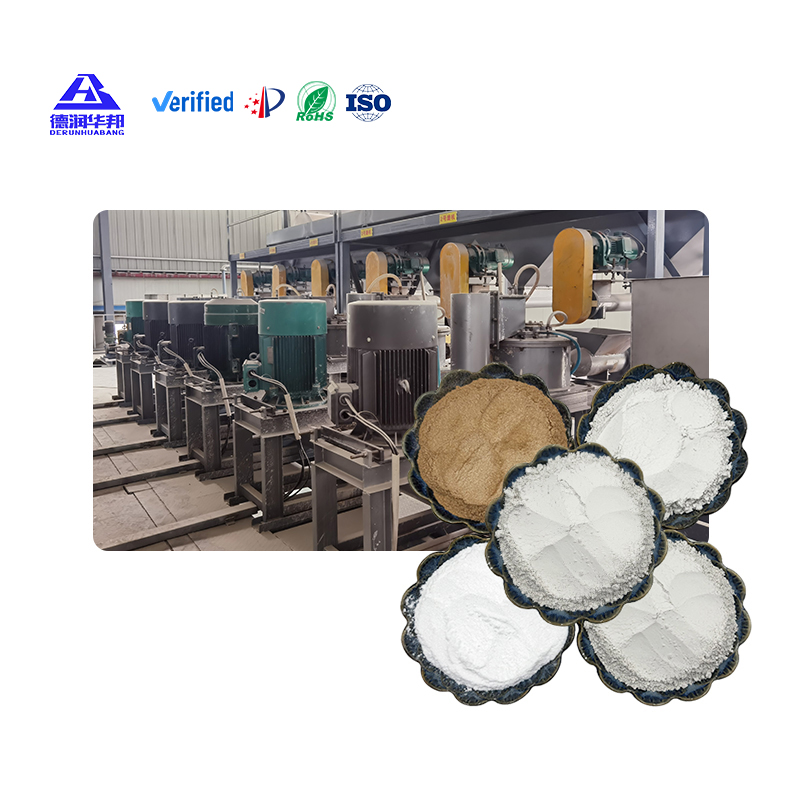
As a professional supplier with abundant mineral resources and advanced processing technology (dry-grinding, wet-grinding, and synthetic production), we can provide customized solutions for electrical insulation, coatings, plastics, cosmetics, and other fields. Our products have passed rigorous quality inspections and international compliance certifications, ensuring reliability and stability.
Whether you need dry-ground mica for industrial coatings, wet-ground mica for automotive finishes, synthetic mica for electronics, pearlescent mica for cosmetics, or specialty golden/black mica for fire-resistant applications, our team is dedicated to providing you with personalized service and free samples to help you find the most suitable mica powder product. We sincerely look forward to cooperating with you to create a more efficient, beautiful, and sustainable future!
Post time: Mar-30-2026