

Yuhua Stone is natural rock shaped by distinct water flow intensities in river branches and main streams, paired with gradual mineral crystallization over thousands to millions of years—each stone carries unique traces of geological and hydrological changes. It originates from river systems with numerous tributaries that wind through mountainous foothills and broad plain areas: slow-moving waters in narrow, winding tributaries reduce friction significantly, allowing fine mineral particles (carried by rainwater as it percolates through surrounding granite and limestone rocks) to settle gently on rough rock fragments. These fragments, initially angular and uneven, drift gradually into fast-flowing main streams, where turbulent currents propel them against gravel, sharp sand and hard riverbed rocks—this constant collision polishes their surfaces layer by layer, wearing down edges and smoothing contours. Minerals like quartz (adding translucent clarity that catches and scatters light softly, making veins more visible under natural glow), feldspar (bringing soft ivory or pale pink tones that shift slightly with the amount of sunlight it receives during formation) and iron oxides (creating rust red or honey amber hues that deepen as fragments stay longer in oxygen-rich shallow waters) dissolve in slightly acidic river water (formed by decaying plant matter) and infiltrate tiny cracks and pores of fragments. As seasonal rains raise water levels, fragments cycle repeatedly between tributaries and main streams: in tributaries, slow currents let minerals build up in thick, even layers; in main streams, fast flows carve thin, twisted channels in the mineral deposits. This cycle forms unique veins—tributary stones have broader, more evenly distributed veins like spread-out spiderwebs, while main stream stones have thinner, more twisted veins like tangled threads, making each Yuhua Stone a natural “diary” of its repeated movement between different river sections.
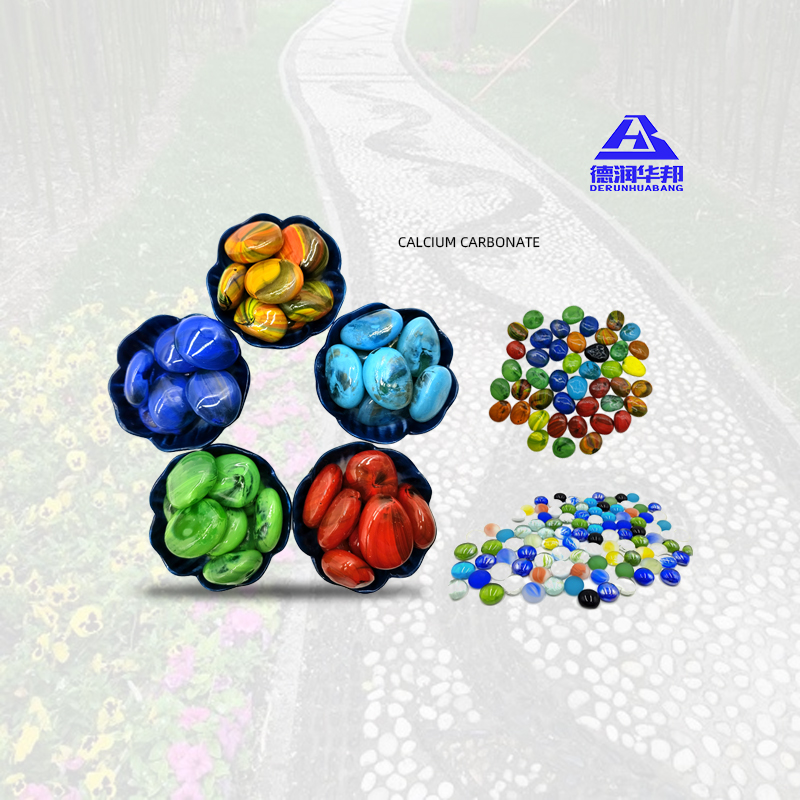
Key characteristics of Yuhua Stone include diverse vein patterns, silky smooth texture and durable organic shapes that carry clear natural water erosion marks—traits that make it stand out from artificial decorative stones. Veins present rich, unrepeatable variations: some resemble delicate leaf veins spreading outward from a central “stem” to stone edges, some like wispy cloud bands winding gently across the surface as if frozen in motion, others like scattered dewdrops or tiny flower buds clustered in one corner, and a few even form faint, abstract shapes that evoke distant mountains or flowing rivers. Colors blend from light to dark in seamless gradients with no sharp boundaries—pale pink feldspar fades into ivory, then transitions to honey amber iron oxide, creating harmonious tones. Decades of non-stop river polishing erases all rough edges and sharp corners, leaving surface of Yuhua Stone so smooth that fingers glide over it like sliding across polished silk; it feels cool and refreshing when touched in hot summer, not icy cold like metal, while retaining a mild, comforting warmth in cold winter due to its dense mineral structure that holds heat longer than wood. When exposed to natural light, it emits a soft matte luster that does not dazzle: morning sunlight filters through window panes to bring out subtle color depth of veins, evening lamplight casts warm glows that make its surface glow faintly, and even on cloudy days, it retains a quiet sheen. Shapes vary precisely with water flow strength: small, compact round stones (about size of marbles or small fists) come from turbulent main stream sections where strong collision force rounds them thoroughly, while larger, flat or slightly curved stones (up to size of palm or small plates) form in calm tributaries where gentle water pressure shapes them slowly. All Yuhua Stones possess natural durability—they resist daily wear from handling, tolerate high temperatures (up to hundreds of degrees near bonfires without cracking) and stand up to outdoor weathering like rain, snow and UV radiation that fades artificial materials.
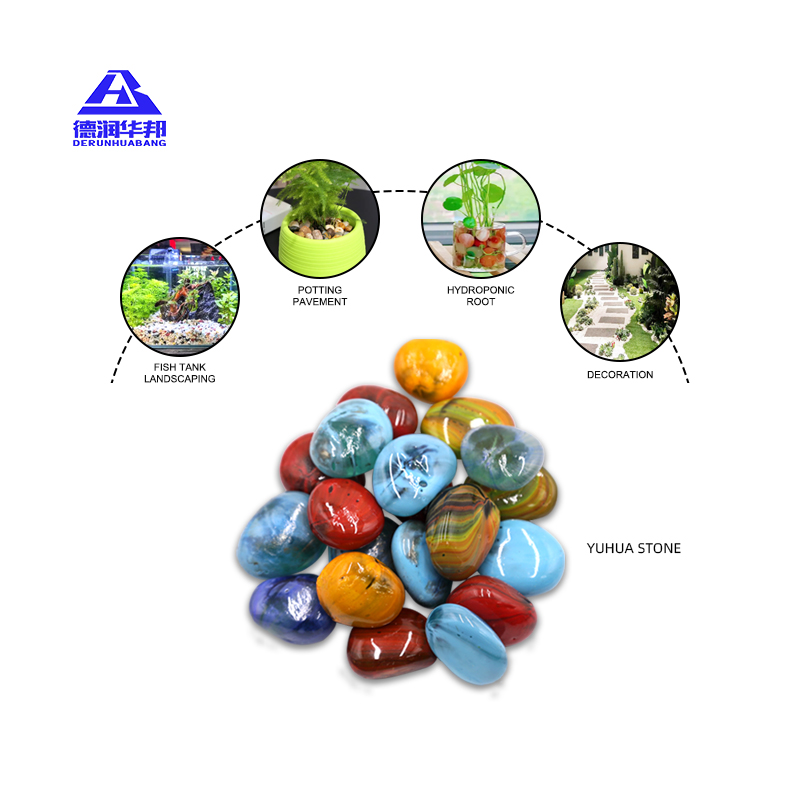
Outdoor bonfire area decoration sector highly values Yuhua Stone for its excellent heat resistance, natural aesthetic and practicality, making it essential decorative material for patio bonfire spaces that balance safety and charm. It is widely used in various bonfire setups, from small backyard fire pits to large patio gathering areas. Flat, thick Yuhua Stones (about two to three centimeters thick, selected for their dense mineral structure that resists heat better) are carefully laid in a neat circle around bonfire pits as heat-insulating borders—this barrier not only stops flying sparks from igniting surrounding dry grass, wooden decks or outdoor carpets (a key safety advantage over loose gravel), but their colorful veins also create a striking contrast with dark fire pit metal and green patio plants, adding visual layers absent from dull concrete borders. Medium-sized stones with flat, stable bases (about size of dinner plates, chosen for their even weight distribution) are placed beside bonfire seats—whether wooden benches, outdoor sofas or Adirondack chairs—as practical side tables. They easily hold drinks (like frosty beer mugs, hot cocoa cups or iced tea glasses), snacks (like bowls of nuts, bags of marshmallows for roasting or plates of cookies) or fire-starting tools (like waterproof matches, small fire pokers or lint-filled fire starters).
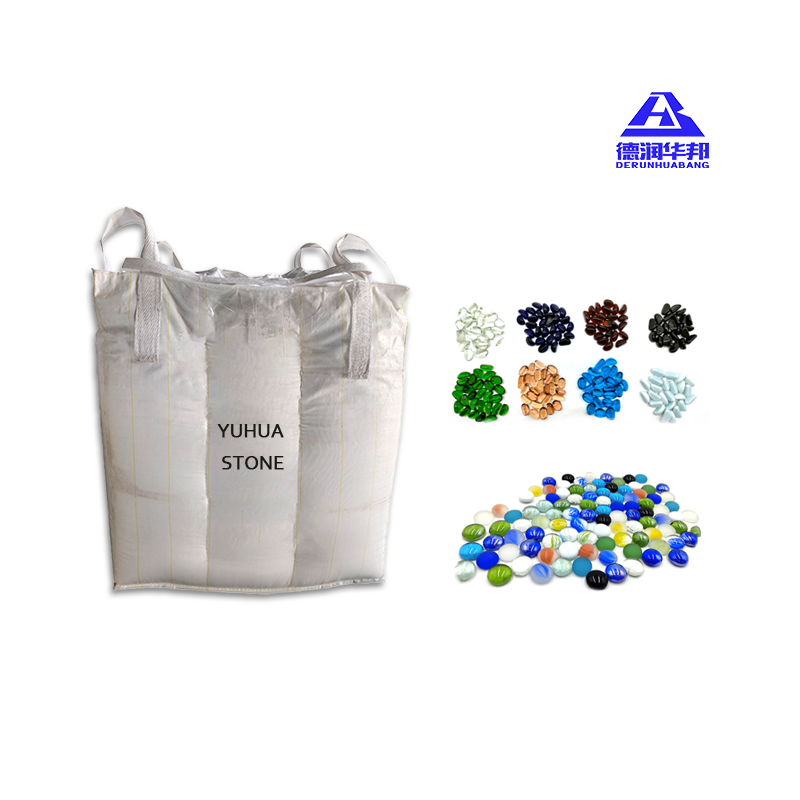
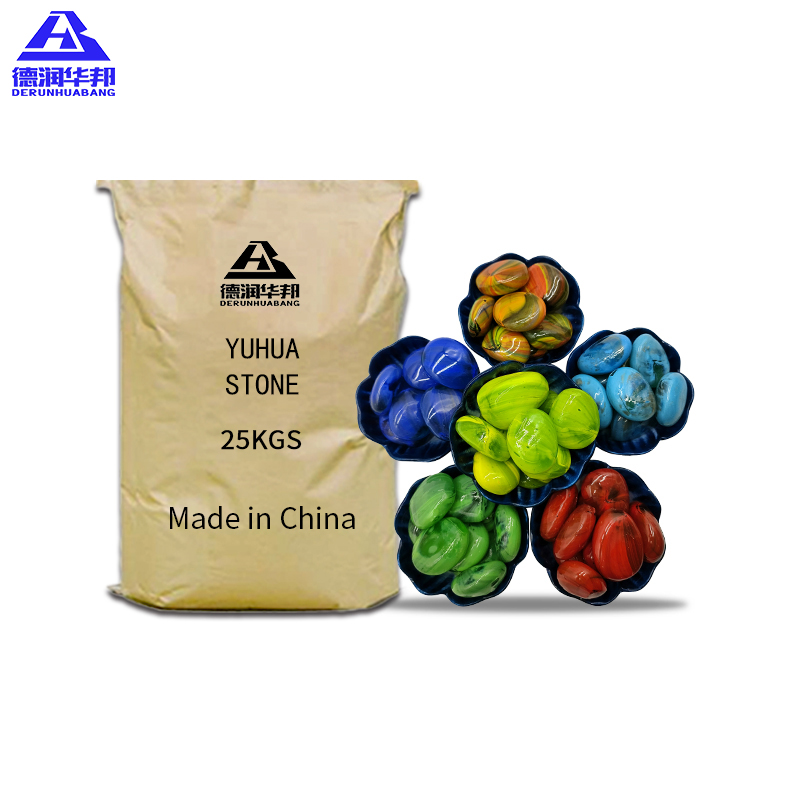
Their smooth surface is easy to wipe clean after use—even ash, sticky marshmallow residues or spilled drink stains can be removed with a damp cloth in seconds, no harsh cleaners needed. Some homeowners take decoration further by stacking stones of different sizes (from small fist-sized to large palm-sized) to form low, irregular decorative barriers around bonfire areas—these barriers separate the fire zone from patio dining or planting zones, define the space softly and provide extra seating spots for guests during large gatherings. Yuhua Stone’s inherent heat resistance ensures it does not crack, chip or fade even after repeated exposure to bonfire heat and cooling cycles. Its dense mineral structure also resists rain erosion—after a downpour, stones dry quickly and retain their original colors, while moss may grow gently in crevices between them over time, blending more deeply with the outdoor environment. Whether used for safety, function or decoration, Yuhua Stone turns ordinary bonfire areas into warm, inviting spaces that feel connected to nature.
Post time: Dec-17-2025