

As of April 2026, the global colored sand market is experiencing sustained momentum, fueled by rising demand from construction, landscaping, and decorative design industries. Latest figures reveal a 6.1% year-on-year increase in market volume during the first quarter, with projections indicating the market will surpass $3.7 billion by 2030, driven by urban beautification initiatives and sustainable material trends.
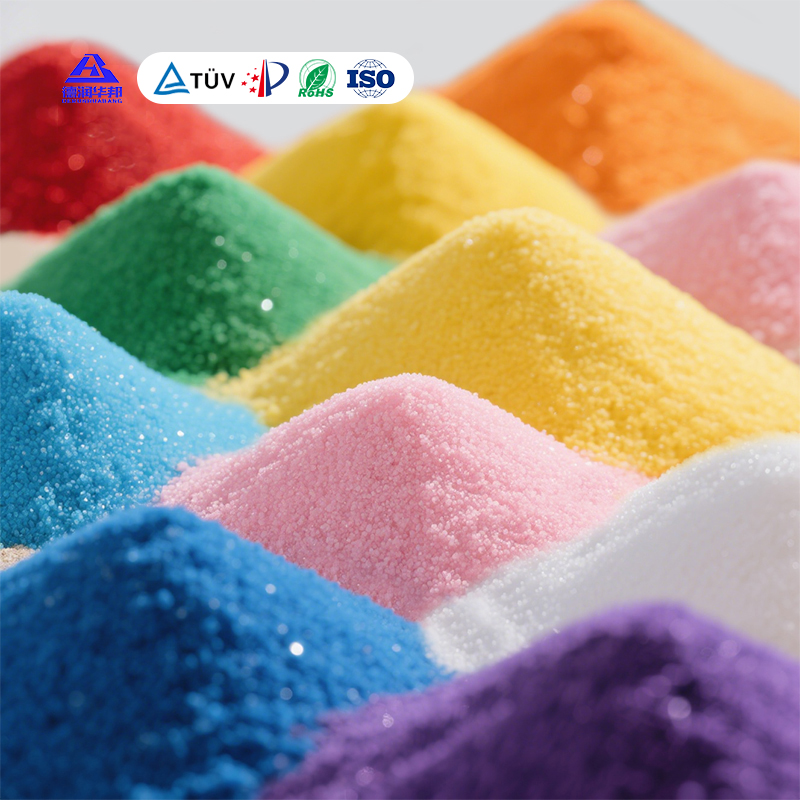
The construction sector stands as the primary consumer, representing nearly 50% of total demand. Colored sand, prized for its natural origin, UV resistance, and long-term color stability, is increasingly integrated into architectural concrete, terrazzo flooring, and exterior wall finishes. Rapid urban development in Southeast Asia, the Middle East, and Sub-Saharan Africa has significantly accelerated infrastructure and public space projects, where aesthetic appeal plays a growing role, directly boosting colored sand adoption.
In the landscaping and hardscaping industry, designers and municipalities are embracing colored sand for its ability to enhance visual contrast and create low-maintenance, durable outdoor environments. From playgrounds to public plazas, its use in epoxy-bonded paving systems and resin-based surfacing has grown by over 40% in the past two years. Its non-toxic composition and minimal environmental impact align with green building standards, making it a preferred choice in eco-conscious urban planning.
Innovation is reshaping the product landscape. A new class of engineered colored sand has emerged, featuring enhanced particle uniformity, improved pigment retention, and hydrophobic coatings that resist fading and moisture penetration. These advanced materials are gaining favor in high-end architectural applications, including luxury residential developments, commercial façades, and interior design features such as backlit wall panels and decorative aggregates.
Sustainability is a key driver. Unlike synthetic decorative materials, colored sand is derived from natural quartz or silica, and the coloring process increasingly utilizes inorganic metal oxide pigments—the same chemically stable compounds used in iron oxide pigment production. Over 75% of manufacturers have transitioned to low-emission, water-based coating technologies, reducing volatile organic compound (VOC) output and supporting circular economy goals.
Supply chain resilience has strengthened, with producers expanding vertical integration and securing long-term access to high-purity raw sand and eco-friendly pigments. However, challenges persist, including regional sand mining regulations and logistical costs for bulk transport. In response, companies are investing in localized production hubs and digital inventory management systems to improve delivery efficiency and reduce carbon footprint.
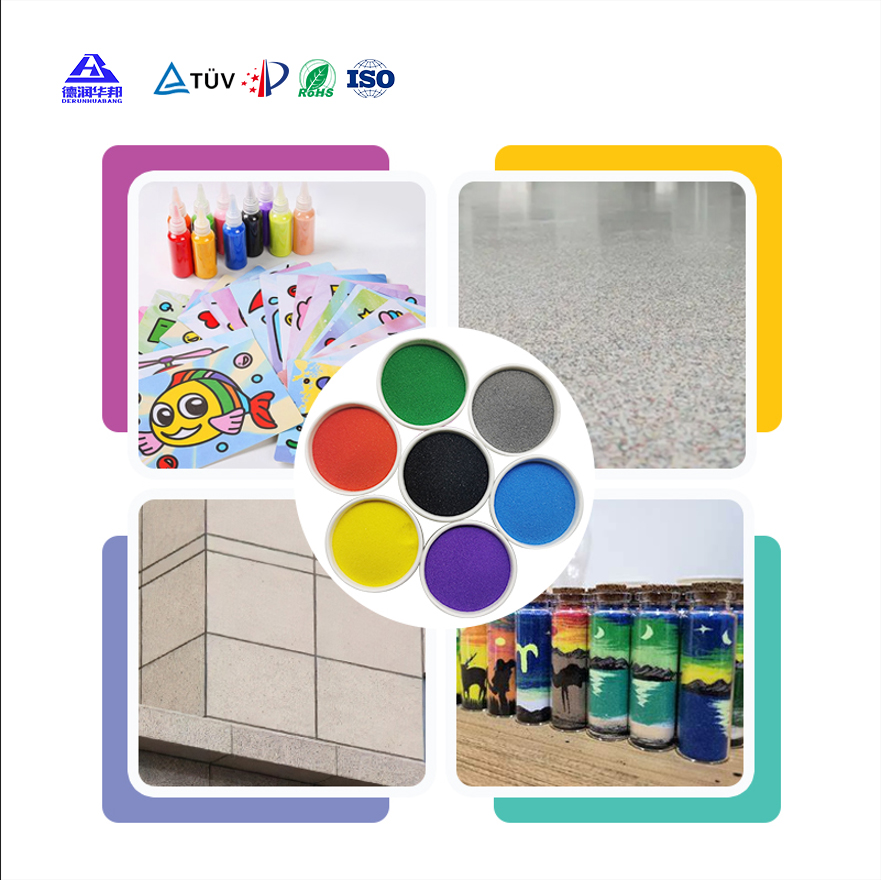
Industry analysts highlight that closer collaboration between material suppliers and design professionals will be essential for unlocking new applications. Custom color matching, digital visualization tools, and performance testing for extreme climates are opening doors in emerging sectors, such as smart city infrastructure, 3D-printed building elements, and sustainable packaging for premium consumer goods.
With its aesthetic versatility, environmental compatibility, and technological advancement, the colored sand market is positioned for long-term expansion, becoming an increasingly vital component in the global movement toward beautiful, functional, and sustainable built environments.
Post time: Apr-30-2026