

Imitation Porcelain Particles market for children’s playground applications is experiencing strong growth, driven by increasing emphasis on safety, durability, and eco-friendly materials in public and private recreational spaces. As of April 2026, the global market has shown a 6.3% year-on-year increase in volume during the first quarter, with projections indicating it will surpass $1.9 billion by 2030, fueled by urban renewal programs and rising parental awareness of playground safety.
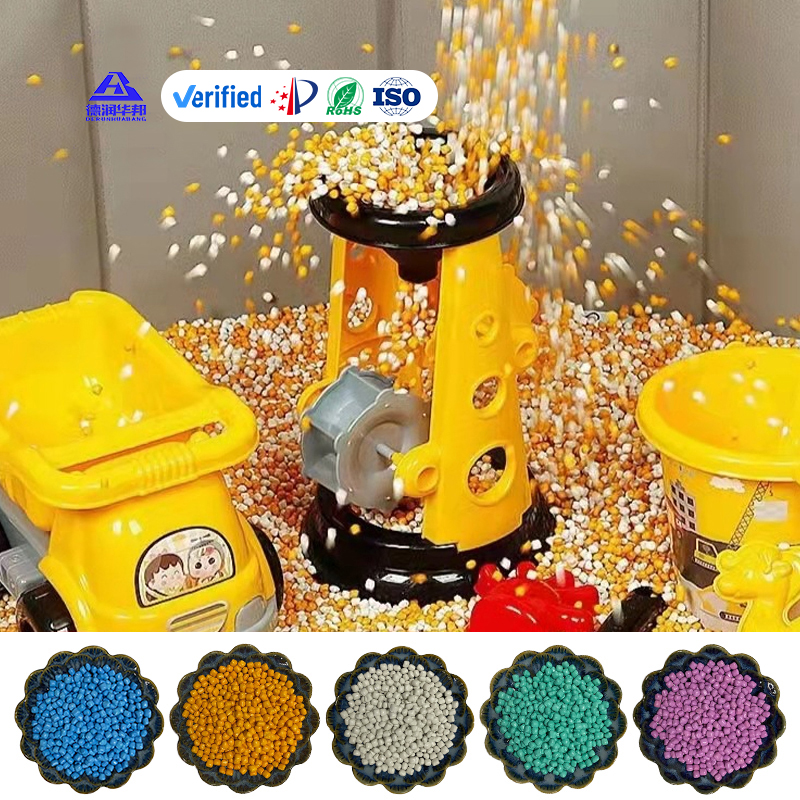
The public playground and early education sector remains the largest end-user, accounting for over 52% of total demand, where imitation porcelain particles are valued for their impact absorption, slip resistance, and vibrant color retention. They are widely used in poured-in-place rubber surfacing, modular play areas, and sensory gardens to reduce injury risk from falls and create engaging, inclusive environments for children. Rapid urbanization in Southeast Asia, the Middle East, and Latin America has accelerated investments in child-friendly infrastructure, significantly boosting adoption.
In the residential and premium commercial sector, developers are increasingly specifying imitation porcelain particles for backyard play zones, daycare centers, and shopping mall entertainment areas due to their low maintenance, non-toxic composition, and aesthetic versatility. Their soft texture and temperature stability make them ideal for barefoot use, supporting health-conscious design trends in family-oriented spaces.
Technological innovation is reshaping the product landscape. A new generation of enhanced imitation porcelain particles has emerged, featuring improved UV stabilization, antimicrobial coatings, and recycled rubber content up to 40%, offering superior longevity and environmental performance. These advanced materials are gaining traction in high-traffic applications, including smart playgrounds with embedded sensors, interactive learning zones, and adaptive play environments for children with disabilities, where safety and functionality are paramount.
Sustainability is a key driver. Unlike traditional plastic-based surfacing, modern imitation porcelain particles are increasingly manufactured using post-consumer polymers and low-VOC binding systems. Over 70% of leading suppliers have adopted solar-powered production lines and water-based curing processes, aligning with global green building certifications such as LEED and WELL.
Supply chain resilience has improved, with manufacturers expanding regional compounding facilities and securing long-term access to high-purity melamine resin and recycled elastomers. However, challenges persist, including fluctuating polymer prices, regulatory variations in safety standards across regions, and transportation costs for bulk delivery. In response, companies are investing in localized formulation centers and digital color-matching platforms to enhance customization and reduce lead times.
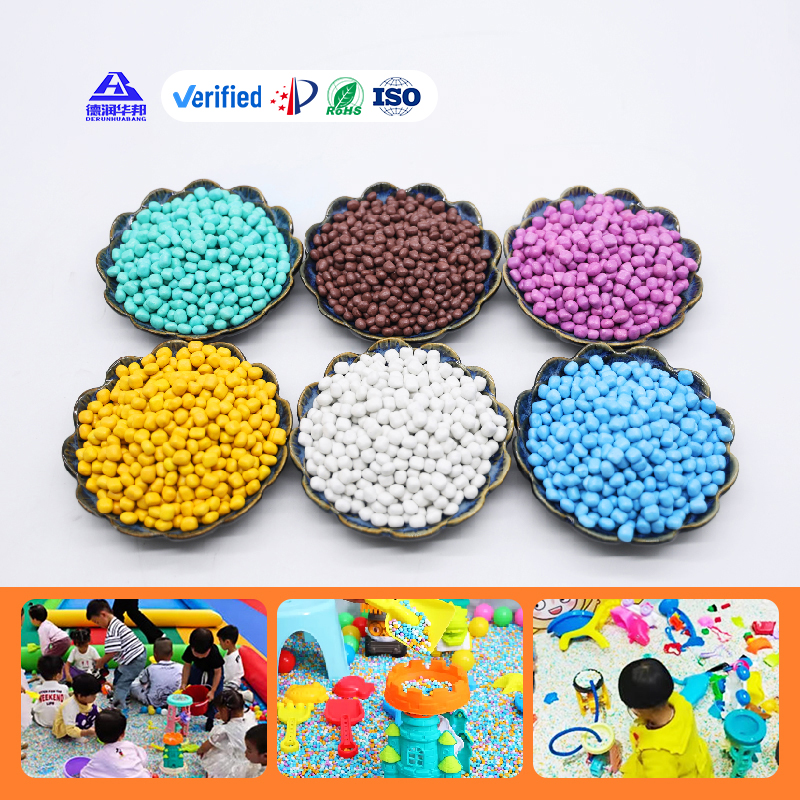
Industry experts emphasize that closer collaboration between material scientists, landscape architects, and child development specialists will be essential for unlocking next-generation applications. Color-coded sensory pathways, impact-responsive surfacing, and AI-driven wear analysis are paving the way into emerging domains, such as neuro-inclusive playground design, climate-adaptive outdoor learning spaces, and circular economy models for surfacing recycling.
With its safety performance, design flexibility, and environmental progress, the imitation porcelain particles market is positioned for sustained expansion, becoming an increasingly vital component in the global movement toward inclusive, resilient, and joyful childhood environments.
Post time: May-09-2026