

Kaolin, also known as china clay, is a soft white aluminosilicate mineral formed by the weathering of feldspar-rich rocks. It is widely prized for its exceptional properties: high whiteness and brightness, fine particle size, excellent plasticity, low shrinkage, chemical inertness, good dispersion, high opacity, and stable viscosity. These unique characteristics make kaolin an irreplaceable functional filler and raw material across numerous industries.
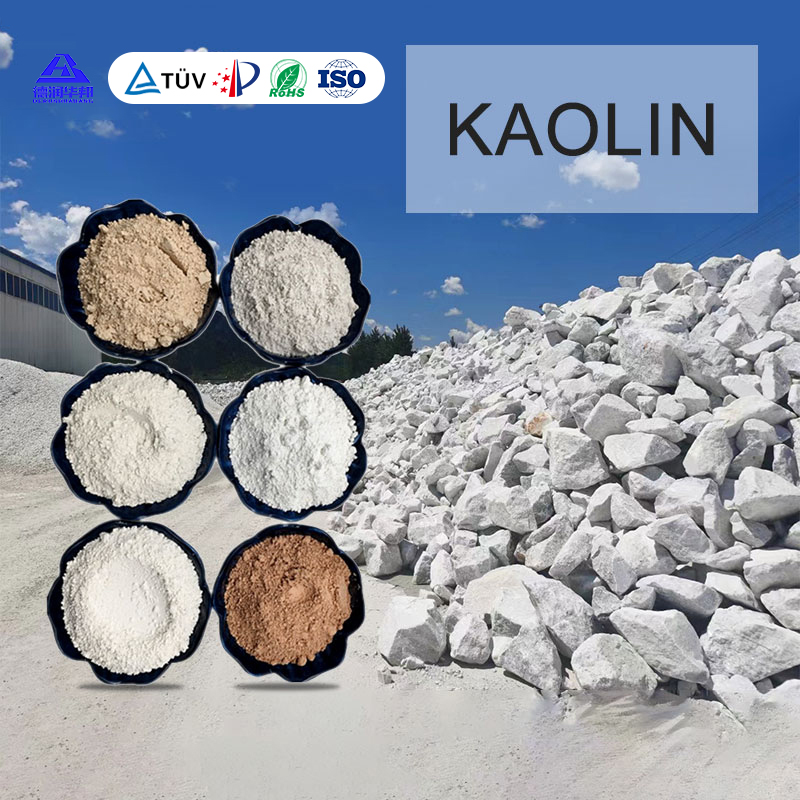
Paper production remains the largest application, accounting for about 29% of global consumption. Kaolin boosts paper brightness, opacity, smoothness, and printability, serving as a key coating and filling agent. Ceramics follow closely at nearly 38% of demand; kaolin improves molding, strength, and whiteness in porcelain, sanitary ware, tiles, and advanced ceramics. It is also widely used in paints & coatings to enhance hiding power, weather resistance, and durability.
Other major uses include fiberglass, rubber, plastics, adhesives, refractories, cosmetics, pharmaceuticals, and wastewater treatment. Calcined, water-washed, and surface-modified grades meet high-end industrial requirements for performance and consistency.
The global kaolin market is expanding steadily in 2026. Market data shows the market will reach USD 4.61 billion in 2026 with a 5.3% CAGR through 2034. Volume is forecast at 49.46 million tons in 2026, growing at 4.24% CAGR to 60.87 million tons by 2031. Key drivers include rising infrastructure investment, growing paper and packaging demand, advanced ceramics development, and the shift toward eco-friendly industrial materials.
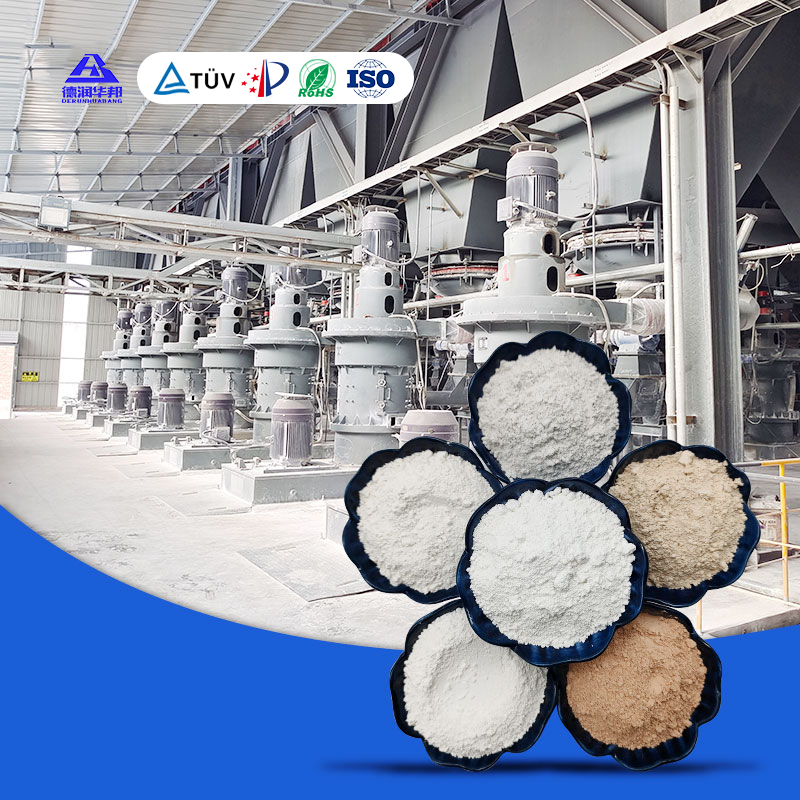 Regionally, Europe holds a leading market share, while Asia-Pacific is the fastest-growing region, led by China, India, and Southeast Asia, driven by industrialization and urbanization. Producers are focusing on high-purity and modified kaolin to capture high-value segments.
As a sustainable and versatile mineral, kaolin’s long-term outlook remains strong. Technological upgrades and new applications in green manufacturing, new energy, and environmental protection will continue to drive its global demand and market value.
Post time: Apr-23-2026