

In the global pursuit of sustainable development and industrial diversification, a natural mineral formed by volcanic activity is emerging as a versatile and eco-friendly material, bridging the gap between natural resources and modern industrial needs. Volcanic Stone, a porous mineral formed by the rapid cooling of lava after volcanic eruptions, mainly composed of basalt, is transforming from a traditional building aggregate into a core functional material spanning environmental protection, construction, agriculture, horticulture, and other fields. Known as the “natural functional stone,” it is not just a common mineral; it is a gift from nature integrated with modern processing technology, demonstrating unique value in environmental protection, energy conservation, functional innovation, and resource high-value utilization.
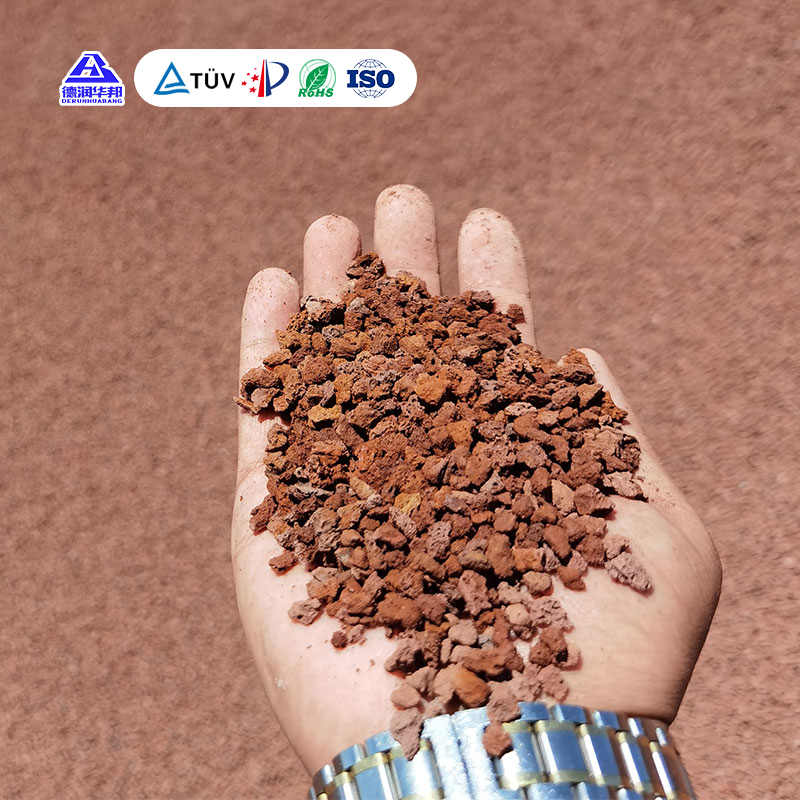
The core advantage of volcanic stone lies in its inherent natural porous structure and excellent comprehensive properties. Formed by the rapid cooling of magma containing gas bubbles, it has a honeycomb-like porous structure with hundreds of micro-pores per cubic centimeter, boasting a high specific surface area—1 gram of volcanic stone has an expanded area equivalent to an A4 paper—and the ability to slowly release natural minerals. Rich in more than ten elements such as silicon, calcium, magnesium, and iron (with iron accounting for about 9.08%, the main reason for its reddish-brown color), it has a natural weakly acidic pH value (6.0-6.5) and exhibits superior properties such as light weight, high strength, heat resistance, corrosion resistance, strong adsorption, and sound insulation. Its production relies on natural volcanic rock resources, undergoing physical processing such as crushing, screening, and polishing, with no chemical additives, zero pollution, and low energy consumption throughout the process. The recyclable and long-lasting characteristics make it a typical green and environmentally friendly mineral material, perfectly aligning with the global “dual carbon” goals and the concept of circular economy.
Beyond its inherent natural advantages, volcanic stone provides high-quality solutions for various industries with its multi-scenario application capabilities. In the environmental protection field, its porous structure serves as an ideal habitat for nitrifying bacteria, with 30% more bacterial adhesion than ceramic rings of the same volume, effectively converting toxic ammonia nitrogen and nitrite into low-toxic nitrate to form a natural water purification cycle; it can also adsorb heavy metal ions and residual chlorine, reducing chlorine content in water by 62% within 24 hours, and is widely used in sewage treatment, air purification, and soil remediation. In the construction sector, it is used to produce lightweight thermal insulation mortar, permeable bricks, and lightweight partition boards, with excellent thermal insulation and sound absorption performance—its thermal conductivity is as low as 0.326 w/(m·k), and the hollow rate can reach 48%, significantly reducing building energy consumption; crushed volcanic stone is also an ideal raw material for highway and airport runway subgrades, enhancing the load-bearing and wear-resistant performance of road foundations. In agriculture and horticulture, it acts as a soil improver and seedling substrate, increasing soil permeability by 3 times when mixed into compacted clay, reducing succulent root rot rate by 45%, and slowly releasing minerals to promote plant growth. In lifestyle and landscape fields, it is used as aquarium substrate, landscape decoration, and exterior wall cladding, with a simple and natural texture that meets the modern pursuit of eco-friendly and primitive aesthetic needs.
Currently, the volcanic stone industry is ushering in a golden period of high-quality development driven by technological innovation and market demand. With the breakthrough of deep processing technologies such as precision screening, surface modification, and composite molding, volcanic stone products have evolved from single general-purpose types to customized functional products, accurately meeting the high-end needs of various industries. Intelligent processing technologies such as AI-based particle size classification and automated polishing have improved processing efficiency by 40%, reduced product batch difference rate to less than 2%, and further enhanced product quality stability. China, as a country with abundant volcanic stone resources, has proven reserves of about 20 billion tons, with key producing areas including Jilin, Yunnan, Heilongjiang, and Inner Mongolia. It has built a complete industrial chain from raw ore mining, deep processing to terminal application, with an annual processing capacity of 150,000 tons of raw volcanic stone, and products are exported to various regions around the world. High-value-added products such as environmental protection filter materials and high-end decorative panels are accelerating the replacement of low-value-added products, driving the industry towards high-endization and diversification.
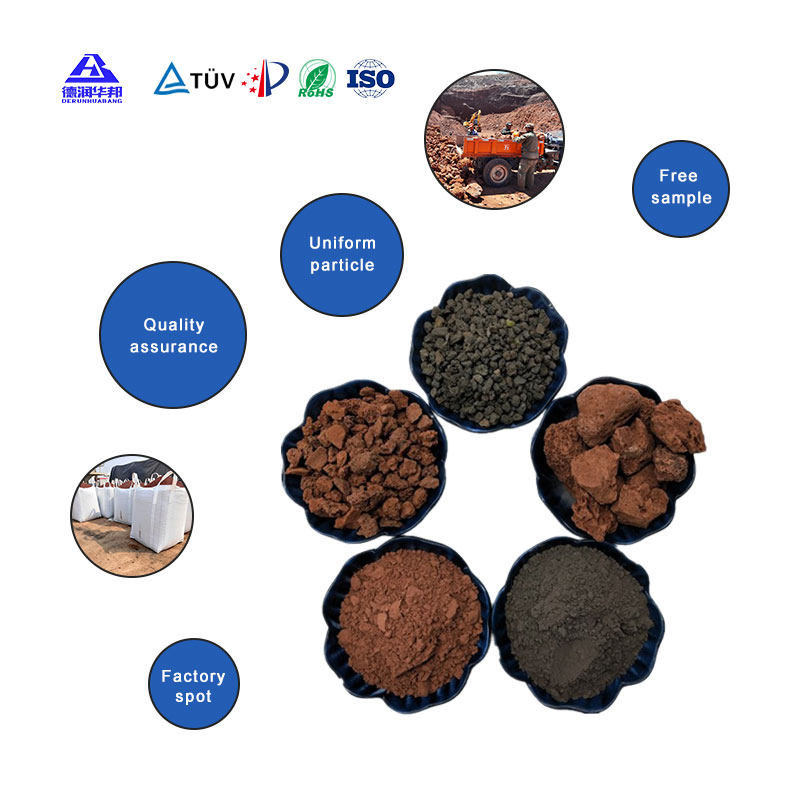
Driven by the dual trends of global green development and industrial upgrading, the strategic value of volcanic stone has become increasingly prominent. It perfectly fits the development goals of environmental protection, energy conservation, and resource high-value utilization, providing strong material support for the transformation and upgrading of various industries. It is estimated that the global volcanic stone market size will exceed 4.5 billion US dollars by 2030, and the Chinese market will break through 6 billion yuan, with the proportion of high-value-added products accounting for more than 50%. From a simple building aggregate to an environmental protection “purifier,” a building energy-saving “assistant,” and an agricultural production “booster,” volcanic stone is breaking application boundaries, proving that natural minerals can not only support industrial development but also inject new vitality into green and sustainable development. It is no longer a niche mineral, but a core functional material for building a green, low-carbon, and diversified modern industrial system, helping global industries move towards a more sustainable and high-quality future.
Post time: Apr-29-2026