

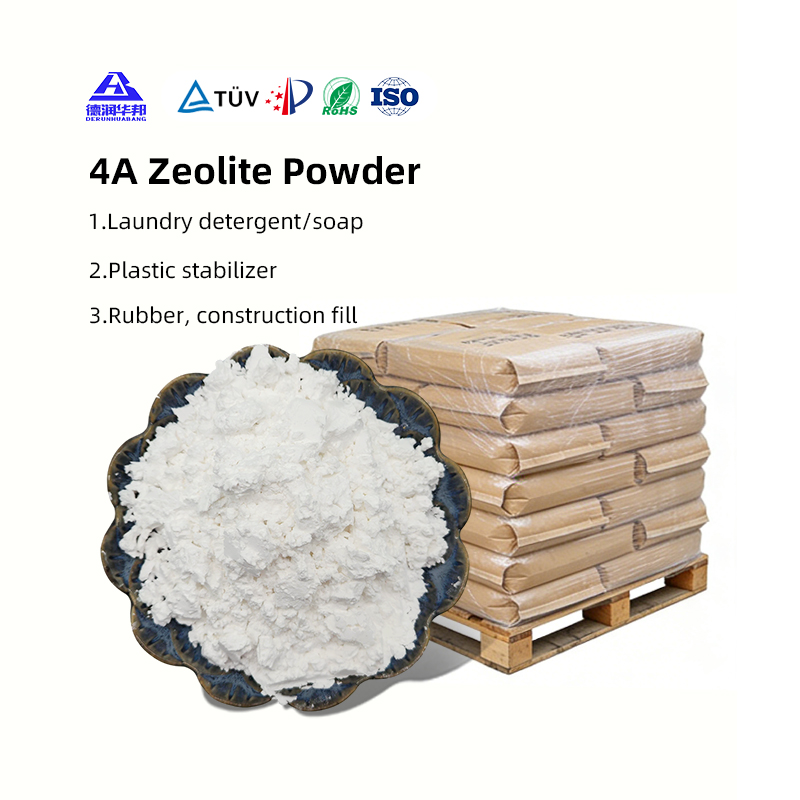
In the global wave of industrial transformation towards greenization, high-value, and intelligence, a natural, high-performance aluminosilicate mineral is emerging as a key link connecting environmental remediation with high-end industrial applications. Zeolite, a crystalline mineral with a unique three-dimensional porous structure, is evolving from a traditional industrial adsorbent to a core functional material in carbon capture, water treatment, modern agriculture, and petrochemical catalysis, injecting strong momentum into the high-quality development of industries. Known as the “molecular sieve of nature,” this mineral is far from an ordinary volcanic rock; it is a product of the in-depth integration of natural crystal chemistry and modern material science, demonstrating irreplaceable value in environmental purification, resource recycling, and energy efficiency.
The core magic of zeolite lies in its inherent “honeycomb” microporous structure and exceptional ion-exchange capabilities. Composed primarily of high-purity clinoptilolite or mordenite, its framework creates a vast internal surface area with uniform pore sizes. After physical activation and chemical modification (such as thermal activation, acid-base modification, or ion loading), it exhibits superior selective adsorption, molecular sieving, and catalytic activity—natural zeolite can efficiently “capture” ammonia nitrogen, heavy metals, and volatile organic compounds (VOCs) within its molecular cages, while also possessing excellent thermal stability and acid resistance. Produced using natural mineral ores through integrated crushing, intelligent sorting, and green modification processes, the manufacturing cycle maintains low energy consumption. With the popularization of zero-liquid discharge (ZLD) systems in advanced processing plants, the industry aligns perfectly with the “dual carbon” goals. From raw ore to functional sieves, zeolite is a sustainable material that reduces chemical usage for downstream enterprises, making it a cornerstone of green industrial chemistry.
In addition to its core molecular sieving advantages, zeolite provides practical solutions for various industries with its full-scenario application capabilities. In the environmental protection field, as a high-efficiency filter medium and soil remediator, it is widely used in municipal wastewater treatment, radioactive waste containment, and smog control (NOx reduction), with demand surging in the circular economy sector. In the agricultural track, it serves as a “nutrient reservoir” for soil, improving water retention and fertilizer efficiency, while acting as a premium feed additive to improve animal health. In the petrochemical and energy sectors, zeolite catalysts are indispensable for fluid catalytic cracking (FCC) and are now being explored for high-efficiency hydrogen storage and carbon capture and storage (CCS) technologies. In the construction industry, it is used as a high-activity pozzolanic additive for lightweight, high-strength concrete, contributing to green building certifications. Its versatility as a moisture regulator and odor absorber also extends its reach into home care and consumer products, serving as a cross-field universal functional cornerstone.
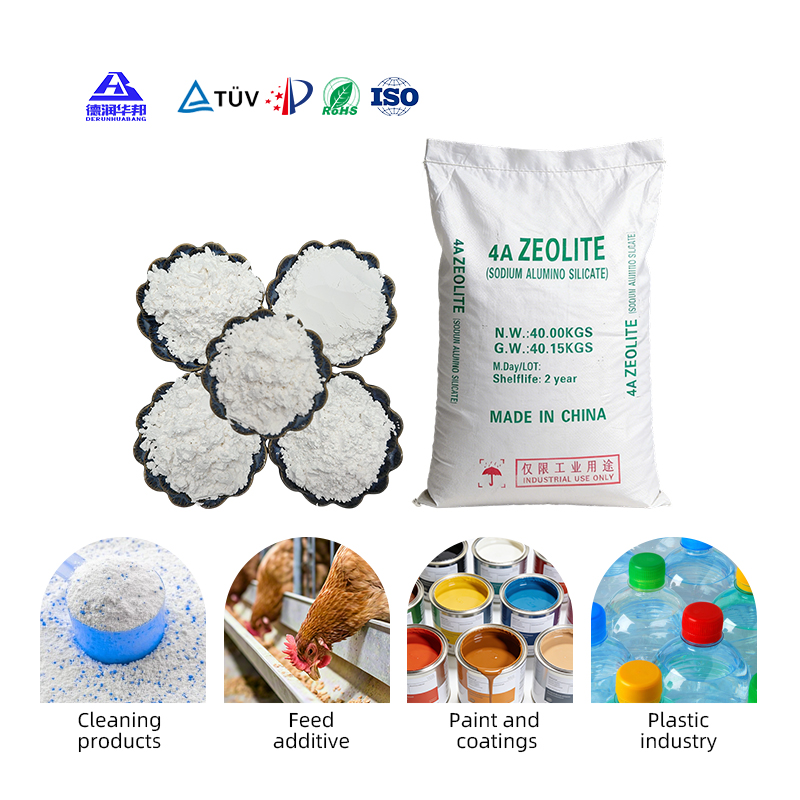
Currently, the zeolite industry is entering a golden period of technological innovation and market expansion. Breakthroughs in precise pore-size control, surface functionalization, and composite material technologies have transformed products from low-grade aggregates to high-end customized molecular sieves, accurately meeting the needs of precision chemical engineering and medical oxygen generation. Processing technology is upgrading towards intelligence; technologies such as hyperspectral mineral sorting and automated thermal activation have achieved a mineral purity of over 92%, controlled the exchange capacity variance within 2.0%, and reduced comprehensive energy consumption by 20%. As a major country in zeolite resources (with significant proven reserves in Hebei, Inner Mongolia, and Zhejiang), China has built a complete industrial chain from mining and intensive processing to end-market applications, with high-performance synthetic and modified natural zeolites accelerating the transition towards high-value exports.
Driven by the dual global trends of green development and industrial upgrading, the strategic value of zeolite has become increasingly prominent. It perfectly aligns with the development goals of pollution control, sustainable farming, and high-end chemical manufacturing, providing material support for the rise of emerging green industries. The global zeolite market size reached over 5.2 billion US dollars in 2025, and the Chinese market exceeded 7.5 billion yuan; it is estimated that the market size for high-end zeolite functional materials will reach 75 billion yuan by 2030. From an industrial “purifier” to a “catalytic engine” and “agricultural guardian,” zeolite is breaking application boundaries, proving that basic minerals can lead the way in green innovation. It is no longer a niche volcanic ash, but a core basic material for building a green, intelligent, and high-value modern industrial system, driving the global industry towards a sustainable and filtered future.
Post time: May-12-2026