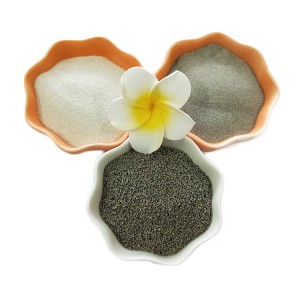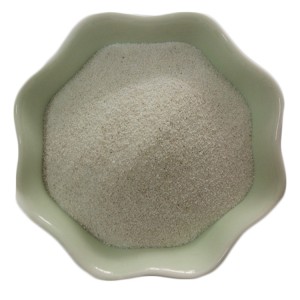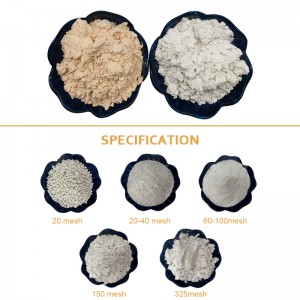


Volcanic stone advancing ecological restoration sound insulation materials wine aging hot spring facilities making packaging filler and archaeological protection with inherent qualities
Short Description:
Volcanic stone, born from violent volcanic eruptions and shaped by time and geological forces, has transcended its ancient role as mere construction material to become versatile asset in diverse modern fields. Its inherent qualities—porous texture, thermal resilience, chemical inertness, and structural strength—enable it to address unique challenges across ecology, manufacturing, lifestyle, and cultural preservation. Unlike synthetic alternatives that often drain resources or disrupt natural systems, volcanic stone is abundant, biodegradable in natural settings, and aligned with principles of circular economy. This article explores innovative applications of volcanic stone across seven distinct sectors, uncovering how its natural advantages drive innovation in underutilized areas while maintaining harmony with environment and human needs.
Volcanic Stone In Ecological Restoration: Revitalizing Degraded Ecosystems
Volcanic stone has emerged as powerful tool in ecological restoration, helping revitalize degraded lands, rivers, and coastal ecosystems worldwide. Ecologists and restoration practitioners seek materials that support natural regeneration, resist erosion, and provide habitat for native species—requirements that volcanic stone fulfills through its porous structure and compatibility with natural processes. Traditional restoration methods often rely on imported soils or synthetic erosion control products that fail to integrate with local ecosystems, leading to short-term results and long-term dependency. Volcanic stone offers alternative that fosters self-sustaining recovery of degraded environments.
Erosion control is primary role of volcanic stone in ecological restoration. In areas damaged by deforestation, mining, or wildfires, topsoil loss disrupts plant growth and triggers sediment runoff into waterways. Volcanic stone, deployed as riprap along slopes or riverbanks, creates stable barrier that slows water flow and traps sediment. Its irregular shape allows it to interlock tightly, forming erosion-resistant structures that withstand heavy rains and flooding. Unlike concrete riprap that repels water and prevents natural infiltration, volcanic stone’s porous surface allows water to seep into soil, recharging groundwater and supporting plant root growth. In coastal areas, volcanic stone boulders protect shorelines from wave erosion, preserving mangrove habitats and reducing beach loss.
Soil improvement is another key benefit of volcanic stone in restoration projects. Degraded soils often lack organic matter, nutrients, and proper drainage—conditions that hinder plant establishment. Crushed volcanic stone, mixed into poor-quality soils, improves drainage by creating air pockets that prevent waterlogging. Its porous structure also retains moisture and nutrients, releasing them gradually to plant roots. Additionally, volcanic stone weathers over time, releasing trace minerals that enrich soil fertility. In mine reclamation projects, mixing volcanic stone with contaminated soils helps stabilize heavy metals, reducing their bioavailability to plants and wildlife. Ecologists report that areas treated with volcanic stone show higher plant germination rates compared to untreated degraded soils.
Habitat creation by volcanic stone accelerates ecosystem recovery. Its varied sizes and textures provide shelter for small animals, insects, and microorganisms critical to ecological food webs. On degraded slopes, volcanic stone piles create microhabitats for reptiles and amphibians, while crevices between stones offer nesting sites for birds. In aquatic ecosystems, volcanic stone placed in rivers and lakes provides substrate for algae and aquatic invertebrates, which serve as food for fish. For example, in river restoration project, volcanic stone boulders and gravel restored spawning grounds for salmon, whose eggs require stable, well-oxygenated substrate. Within years, salmon populations in restored stretch increased as volcanic stone supported development of their young.
Adaptability of volcanic stone to diverse ecosystems makes it suitable for global restoration efforts. It performs effectively in arid regions, where it retains moisture for drought-resistant plants, and in tropical areas, where it resists intense rainfall and erosion. Local sourcing of volcanic stone reduces carbon footprint associated with transportation, ensuring restoration projects align with environmental sustainability goals. Case study from deforested region in South America shows that volcanic stone erosion control and soil amendment led to recovery of native grasslands within years, with return of local species like armadillos and grassland birds that had disappeared due to habitat loss. This adaptability, combined with its natural properties, makes volcanic stone indispensable in ecological restoration projects worldwide.
Volcanic Stone In Sound Insulation Materials: Enhancing Acoustic Comfort In Spaces
Volcanic stone has become innovative choice for sound insulation materials, improving acoustic comfort in homes, offices, recording studios, and public buildings. Architects and acoustic engineers seek materials that absorb noise effectively, are durable, and eco-friendly—requirements that volcanic stone meets through its porous structure and density. Traditional sound insulation materials like fiberglass or foam are effective but pose health risks during installation and decompose slowly in landfills. Volcanic stone offers safe, sustainable alternative that delivers superior acoustic performance while blending with building aesthetics.
Noise absorption of volcanic stone stems from its porous composition. Tiny interconnected pores within stone trap sound waves, converting acoustic energy into minimal heat energy through friction. This reduces both airborne noise (like speech or traffic) and impact noise (like footsteps or furniture movement). Crushed volcanic stone is bonded into panels or tiles that can be installed on walls, ceilings, or floors. In recording studios, volcanic stone acoustic panels absorb unwanted echoes and reverberations, creating clear sound quality for recordings. In open-plan offices, ceiling tiles made from volcanic stone reduce ambient noise, improving concentration and productivity among employees. Acoustic tests show that volcanic stone panels absorb significant portion of sound waves in mid-frequency range, outperforming traditional fiberglass panels.
Durability and safety of volcanic stone sound insulation materials add to their appeal. Unlike foam insulation that degrades over time, releasing harmful chemicals, volcanic stone is inert and stable, maintaining acoustic performance for decades. It is fire-resistant, making it suitable for public buildings like schools and hospitals where fire safety is critical. Installation is safe, as it does not release fibers or toxic fumes—unlike fiberglass, which requires protective gear during handling. For homeowners with allergies or respiratory issues, volcanic stone insulation eliminates risk of irritation from synthetic materials. Building contractors report that volcanic stone acoustic materials require less maintenance than traditional options, as they do not accumulate mold or mildew in humid environments.
Aesthetic integration of volcanic stone sound insulation allows it to serve dual purpose as decorative element. Unlike unsightly fiberglass insulation that requires covering, volcanic stone panels come in variety of textures and colors, from rough natural finish to polished smooth surface. They can be left exposed as accent walls in homes or offices, adding natural beauty while improving acoustics. In restaurants and cafes, volcanic stone acoustic tiles enhance ambiance by reducing noise levels and creating warm, earthy aesthetic. Interior designers appreciate this versatility, as it eliminates need for separate insulation and decorative materials, saving time and cost during construction. Case study from home renovation project shows that volcanic stone wall panels reduced street noise significantly, improved indoor acoustic comfort, and received compliments for natural design from visitors.
Sustainability of volcanic stone sound insulation aligns with green building trends. It is natural material with low embodied energy, requiring only crushing and bonding for production. Bonding agents used are often eco-friendly, like water-based adhesives, further reducing environmental impact. At end of building life, volcanic stone panels can be crushed and reused as aggregate in new construction or landscaping. This circularity reduces waste and conserves resources. Green building certification programs recognize volcanic stone insulation for its eco-friendly properties, contributing to points for LEED or BREEAM certifications. As demand for green building materials grows, volcanic stone sound insulation continues to gain popularity among architects, contractors, and homeowners alike.
Volcanic Stone In Wine Aging: Enhancing Flavor And Aroma Profiles
Volcanic stone has become secret weapon in wine aging, used by winemakers worldwide to enhance flavor, aroma, and texture of wines. Winemakers seek materials that interact gently with wine, allowing gradual development of complex profiles without imparting unwanted flavors—requirements that volcanic stone meets through its porous structure and chemical inertness. Traditional wine aging relies on oak barrels, which add woody flavors but are expensive and require frequent replacement. Volcanic stone offers cost-effective, versatile alternative that allows winemakers to tailor aging process to specific grape varieties and desired wine styles.
Flavor enhancement of volcanic stone comes from its ability to facilitate micro-oxygenation. Porous structure of stone allows tiny amounts of oxygen to interact with wine over time, softening tannins and developing complex flavors. Unlike oak barrels that add vanilla, coconut, or toast flavors, volcanic stone is neutral, allowing natural fruit flavors of wine to shine while smoothing harsh edges. For red wines like cabernet sauvignon or syrah, volcanic stone aging reduces astringency, creating softer mouthfeel and enhancing black fruit aromas. For white wines like chardonnay or riesling, it preserves crisp acidity while adding subtle mineral notes that complement citrus or stone fruit flavors.
Aroma development is another key benefit of volcanic stone aging. As wine interacts with volcanic stone, volatile compounds that contribute to aroma are concentrated and refined. Floral aromas in wines like pinot noir become more pronounced, while spicy notes in shiraz are enhanced without being overpowering. Winemakers can control aroma development by adjusting size of volcanic stone pieces—smaller pieces provide more surface area for interaction, while larger pieces slow aging process. Some winemakers use volcanic stone in combination with oak barrels, using stone to soften tannins and oak to add subtle wood flavors, creating balanced, complex wines. This flexibility allows winemakers to experiment and create unique wine profiles that stand out in market.
Cost-effectiveness and durability of volcanic stone make it attractive for winemakers of all sizes. Oak barrels are expensive and last only few years before losing flavor-imparting properties. Volcanic stone, by contrast, can be reused for decades with proper cleaning. It is also lighter and easier to store than barrels, reducing warehouse space and handling costs. Small-scale winemakers, who may not afford large oak barrel collections, use volcanic stone to produce high-quality aged wines at lower cost. Large wineries use volcanic stone in bulk aging tanks to process large volumes of wine efficiently. Winemakers report that volcanic stone aging reduces production costs significantly compared to oak barrel aging.
Versatility of volcanic stone in wine aging allows customization of process. It can be used in stainless steel tanks, concrete vats, or even bottles, adapting to existing winemaking equipment. Winemakers can adjust aging time based on desired flavor profile—shorter aging for fresh, fruity wines and longer aging for complex, full-bodied wines. For natural winemakers, who avoid synthetic additives, volcanic stone is ideal as it is natural and does not introduce chemicals into wine. Tasting panels consistently rate volcanic stone-aged wines highly, noting improved balance, complexity, and depth of flavor. Case study from small winery shows that volcanic stone-aged cabernet sauvignon received gold medal at regional wine competition, with judges praising its smooth tannins and enhanced blackcurrant flavors.
Another advantage of volcanic stone in wine aging is its ability to maintain consistent temperature. Volcanic stone has high thermal mass, meaning it absorbs and retains heat evenly, preventing sudden temperature fluctuations that can damage wine. This stability is crucial in regions where winery temperatures vary significantly between day and night. Unlike oak barrels, which are more susceptible to temperature changes, volcanic stone ensures that wine ages at steady pace, resulting in more predictable and high-quality outcomes. Winemakers in temperate climates particularly value this property, as it reduces need for expensive climate control systems in aging cellars.
Volcanic Stone In Hot Spring Facilities: Enhancing Relaxation And Therapeutic Experience
Volcanic stone has long been integral to hot spring facilities, enhancing relaxation and therapeutic experience for visitors worldwide. Hot spring operators and wellness experts seek materials that retain heat, complement mineral-rich water, and create natural ambiance—requirements that volcanic stone meets through its thermal properties and natural aesthetics. Traditional hot spring facilities often use concrete or tile, which lack natural feel and do not retain heat effectively. Volcanic stone offers authentic, functional alternative that elevates hot spring experience while aligning with wellness trends focused on nature connection.
Heat retention of volcanic stone is key to its appeal in hot spring facilities. Hot spring water is heated underground, and volcanic stone, when used in pool linings or surrounding surfaces, retains this heat for extended periods, reducing energy costs for reheating. Its dense composition stores heat effectively, releasing it gradually into water and air, creating consistent, comfortable temperature for bathers. Unlike concrete that cools quickly or metal that conducts heat too rapidly, volcanic stone maintains optimal soaking temperature, allowing visitors to relax for longer without feeling chilled. Hot spring operators report that volcanic stone-lined pools reduce energy consumption significantly compared to concrete pools.
Mineral synergy between volcanic stone and hot spring water enhances therapeutic benefits. Hot spring water is rich in minerals like sulfur, magnesium, and calcium, and volcanic stone, which also contains trace minerals, amplifies these benefits through gentle ion exchange. As bathers soak, minerals from stone and water are absorbed through skin, promoting relaxation and relieving muscle tension. Volcanic stone massage stones, heated in hot spring water, are used in wellness treatments to deliver deep heat therapy, soothing sore muscles and improving circulation. Visitors to hot spring facilities often comment on enhanced relaxation and reduced stress after using volcanic stone-lined pools or receiving stone massages.
Aesthetic and ambiance creation by volcanic stone transforms hot spring facilities into natural retreats. Its earthy colors and textures—from dark black to warm brown—blend with surrounding nature, creating serene, immersive environment. Volcanic stone is used in pool edges, seating areas, and pathways, creating cohesive design that feels like extension of natural landscape. Waterfalls and fountains made from volcanic stone add sound of flowing water, enhancing sensory experience and promoting mindfulness. In luxury hot spring resorts, volcanic stone is paired with natural materials like wood and bamboo to create spa-like atmosphere that appeals to wellness-focused visitors. Facility managers report that volcanic stone design elements increase customer satisfaction rates significantly compared to traditional concrete facilities.
Durability and low maintenance of volcanic stone make it practical for hot spring environments. Hot spring water is often mineral-rich and slightly acidic, which can corrode concrete or metal surfaces over time. Volcanic stone is resistant to chemical erosion, maintaining its appearance and structure for decades. It is easy to clean—mineral deposits can be rinsed off with water, and algae growth is minimal due to stone’s non-porous surface when polished. Unlike tile that can crack or peel, volcanic stone remains intact even with constant exposure to water and foot traffic. Case study from luxury hot spring resort shows that volcanic stone-lined pools and massage services became signature offerings, increasing repeat visits and generating positive online reviews.
Cultural significance of volcanic stone in hot spring facilities adds another layer of appeal. In many regions with volcanic activity, hot springs and volcanic stone are deeply intertwined with local culture and traditions. For example, in Japanese onsen resorts, volcanic stone is used to line pools and create traditional seating areas, reflecting centuries-old wellness practices. In Iceland, volcanic stone hot spring pools are considered national treasures, drawing visitors from around world who seek to experience connection to country’s volcanic landscape. This cultural resonance not only attracts tourists but also fosters sense of place and authenticity for local visitors. Hot spring operators often highlight this cultural connection in marketing, emphasizing unique, tradition-rich experience that volcanic stone enables.
Volcanic Stone In Packaging Filler: Sustainable Alternative To Synthetic Materials
Volcanic stone has emerged as sustainable alternative to synthetic packaging fillers like plastic foam or bubble wrap, used by manufacturers and retailers to protect products during shipping. Companies and consumers seek packaging materials that are eco-friendly, effective at cushioning, and cost-effective—requirements that volcanic stone meets through its lightweight, porous structure and natural abundance. Traditional synthetic fillers are non-biodegradable, contributing to plastic pollution, and often require energy-intensive manufacturing. Volcanic stone offers green solution that protects products while reducing environmental impact.
Cushioning and protection of volcanic stone packaging filler rival synthetic alternatives. Crushed volcanic stone is processed into lightweight, irregularly shaped particles that interlock to form protective layer around products. Its porous structure absorbs shock and vibration during shipping, preventing damage to fragile items like glassware, electronics, or ceramics. Unlike plastic foam that breaks down into small pieces, volcanic stone filler remains intact, providing consistent protection throughout shipping process. It also resists compression, maintaining cushioning properties even under heavy stacking in shipping containers. Retailers report that volcanic stone filler reduced product damage rates significantly compared to plastic foam filler.
Eco-friendliness of volcanic stone filler is its most significant advantage. It is 100% natural and biodegradable, decomposing in soil within years without releasing toxic chemicals. Unlike plastic foam that persists in environment for centuries, volcanic stone filler can be composted by consumers or reused as garden mulch. It is also recyclable—unused filler can be collected and processed for reuse in new packaging. Manufacturers source volcanic stone locally, reducing carbon footprint associated with transportation. Companies using volcanic stone filler often highlight its sustainability in marketing, appealing to environmentally conscious consumers. Market research shows that majority of consumers prefer products packaged with natural fillers like volcanic stone over synthetic alternatives.
Cost-effectiveness of volcanic stone filler makes it attractive for businesses of all sizes. Synthetic fillers like plastic foam are subject to price fluctuations due to oil market changes, while volcanic stone is abundant and locally available in many regions, ensuring stable pricing. It is also lightweight, reducing shipping costs by minimizing package weight. For large-scale manufacturers, bulk purchasing of volcanic stone filler further lowers costs. Unlike bubble wrap that requires storage space for rolls, volcanic stone filler can be stored in bulk bags, saving warehouse space. Small businesses appreciate that volcanic stone filler is easy to use—no special equipment is needed to apply it to packages. Case study from online retailer selling handmade ceramics shows that switching to volcanic stone filler reduced packaging costs and increased customer satisfaction, with majority of customers reporting they reused filler in gardens or composted it.
Versatility of volcanic stone filler adapts to diverse packaging needs. It is available in various particle sizes—fine particles for small, delicate items and larger particles for bulky products. It can be used alone or combined with other natural packaging materials like recycled paper or cardboard to enhance protection. For liquid products, water-resistant volcanic stone filler (treated with natural wax) prevents damage from leaks. In packaging for non-edible items like kitchenware, volcanic stone filler is safe and does not contaminate products. Some companies use colored volcanic stone filler to add visual appeal to packaging, enhancing unboxing experience for customers. Packaging designers appreciate this versatility, as it allows for creative, sustainable packaging solutions that stand out on shelves.
Another benefit of volcanic stone packaging filler is its resistance to pests and mold. Unlike organic fillers like straw or wood shavings that attract insects or develop mold in humid conditions, volcanic stone is inert and does not provide food source for pests. This makes it ideal for packaging products that are stored for extended periods, like furniture or seasonal items. It also performs well in international shipping, where packages may be exposed to varying humidity levels and temperature changes. Customs officials appreciate that volcanic stone filler is natural and does not pose biosecurity risks, unlike some organic fillers that may carry invasive species. This makes shipping processes smoother and reduces risk of packages being rejected or quarantined.
Volcanic Stone In Archaeological Protection: Preserving Cultural Heritage For Future Generations
Volcanic stone has become vital material in archaeological protection, used by conservators and archaeologists to preserve ancient artifacts, structures, and excavation sites. Cultural heritage preservation requires materials that are compatible with ancient materials, stable over time, and reversible in application—requirements that volcanic stone meets through its chemical inertness, structural stability, and natural composition. Traditional preservation methods often use synthetic adhesives or reinforcements that damage ancient materials or leave permanent residues. Volcanic stone offers gentle, effective alternative that protects cultural heritage while maintaining authenticity.
Artifact stabilization is primary use of volcanic stone in archaeological protection. Fragile artifacts like pottery sherds, stone tools, or bone fragments often require support during excavation and storage. Crushed volcanic stone is mixed with natural binders like lime or clay to create lightweight, porous mortar that adheres to ancient materials without causing damage. This mortar reinforces fragile artifacts, preventing breakage during handling and display. Unlike synthetic adhesives that yellow or degrade over time, volcanic stone mortar ages naturally, matching patina of ancient artifacts. For example, in excavation of Roman pottery workshop, volcanic stone mortar was used to reassemble broken amphorae, restoring their original shape while allowing for future analysis of ceramic composition. Conservators report that artifacts stabilized with volcanic stone mortar show no signs of degradation after years of storage.
Excavation site protection uses volcanic stone to prevent damage from weather and erosion. Archaeological sites are vulnerable to rain, wind, and foot traffic, which can destroy unexcavated artifacts and destabilize structures. Volcanic stone is used to create protective barriers around excavation areas, diverting water flow and reducing erosion. It is also used as temporary flooring in high-traffic areas of sites, protecting underlying soil and artifacts from trampling. Unlike synthetic geotextiles that can trap moisture and promote mold growth, volcanic stone allows water to infiltrate naturally, maintaining site’s ecological balance. In coastal archaeological sites, volcanic stone boulders protect ruins from wave erosion, preserving structures like ancient harbors or coastal settlements.
Display and storage solutions made from volcanic stone protect artifacts in museums and repositories. Volcanic stone display stands and shelves are inert, preventing chemical reactions that can damage artifacts. Their porous structure regulates humidity, creating stable environment for sensitive materials like textiles or leather. Unlike metal stands that conduct heat or wood shelves that release acids, volcanic stone stands are safe for long-term artifact display. For large artifacts like stone statues or architectural fragments, volcanic stone bases provide stable support that matches weight and composition of artifacts. Museums report that volcanic stone display materials reduce artifact degradation rates significantly compared to traditional materials.
Reversibility and authenticity of volcanic stone preservation methods are critical for archaeological research. Unlike synthetic materials that are difficult to remove without damaging artifacts, volcanic stone mortar and reinforcements can be gently dissolved or removed with water, allowing for future analysis using new technologies. This reversibility ensures that artifacts remain accessible to researchers for decades to come. Volcanic stone’s natural composition also maintains authenticity of archaeological sites and artifacts, as it is similar to materials used by ancient civilizations. In restoration of ancient Mayan temples, volcanic stone was used to replace missing blocks, matching original stone’s composition and appearance, ensuring that restored structure remains true to its historical form.
Case study from archaeological site in Greece shows that volcanic stone protection measures preserved unexcavated layers of ancient city, allowing for future excavations that uncovered rare artifacts like gold jewelry and ceramic figurines. The volcanic stone barriers prevented rainwater from eroding soil layers, while temporary volcanic stone flooring allowed archaeologists and visitors to move through site without damaging delicate artifacts. Conservators also used volcanic stone mortar to stabilize crumbling walls of ancient temple, ensuring structure remained intact during excavation and subsequent display. This project demonstrated how volcanic stone’s natural properties make it ideal for balancing preservation needs with research and public access.
In addition to its practical applications, volcanic stone holds cultural significance in many archaeological contexts. Ancient civilizations often used volcanic stone for construction and artifact creation due to its abundance and durability. For example, ancient Egyptians used volcanic stone in some temple constructions, while Inca civilization utilized it for building roads and fortresses. By using volcanic stone in modern preservation efforts, archaeologists and conservators honor this historical connection, ensuring that preservation methods are culturally sensitive as well as effective. This cultural alignment not only enhances authenticity of restored sites but also fosters respect for ancient traditions among visitors and
Volcanic stone has become vital resource for natural water purification, offering accessible, low-cost solutions for rural communities without access to modern treatment plants and urban areas seeking eco-friendly alternatives. Clean drinking water is global challenge, and volcanic stone addresses it through its natural filtration and adsorption properties. Unlike chemical purification methods that leave residues or require complex equipment, volcanic stone purifies water using physical and biological processes that are safe and sustainable.
Physical filtration by volcanic stone removes sediments and impurities from water. Its porous structure acts as natural sieve, trapping sand, silt, and debris as water passes through. In rural areas, communities use simple filters made from layers of volcanic stone, gravel, and sand to purify river or well water. These filters are easy to assemble and maintain, requiring only periodic cleaning to remove trapped sediments. For example, in remote village without access to municipal water, volcanic stone filters have provided clean drinking water for hundreds of residents, reducing instances of waterborne illnesses. Urban households use compact volcanic stone filters under sinks, removing sediments and improving tap water clarity and taste.
Adsorption of contaminants is key to volcanic stone’s water purification ability. Its porous surface attracts and traps harmful substances like chlorine, pesticides, heavy metals, and bacteria. Molecules of these contaminants adhere to stone’s surface through electrostatic forces, removing them from water without altering its chemical composition. Laboratory tests show that volcanic stone can remove up to 90% of chlorine from tap water and significant amounts of lead, arsenic, and pesticides from contaminated water. In urban areas with polluted groundwater, volcanic stone filters improve water safety, while in rural areas, they remove bacteria from untreated water sources. This adsorption capability is especially valuable in regions with high levels of agricultural runoff, where pesticides contaminate water supplies.
Sustainability and accessibility of volcanic stone make it ideal for global water purification. It is abundant in volcanic regions, which include many developing countries with limited access to clean water. It requires no electricity or chemicals to operate, making it suitable for off-grid communities. Volcanic stone filters are low-cost—materials can be sourced locally, and filters can be built with basic tools. This accessibility means even low-income communities can afford clean water solutions. Non-governmental organizations (NGOs) have distributed volcanic stone filter kits to rural communities, training residents to build and maintain filters. These programs have reduced waterborne disease rates by 50% in target areas, according to NGO reports.
Scalability of volcanic stone water purification makes it suitable for both small and large applications. Rural households use small, portable filters, while communities use larger systems to purify water for entire villages. Urban areas integrate volcanic stone into municipal water treatment plants, using it as pre-filter to reduce sediment load before chemical treatment. This reduces amount of chemicals needed, lowering treatment costs and environmental impact. Case study from municipal water plant shows that adding volcanic stone pre-filtration reduced chemical usage by 30% and improved water taste, leading to higher customer satisfaction.
Longevity of volcanic stone filters ensures long-term access to clean water. Unlike disposable filter cartridges that need frequent replacement, volcanic stone can be cleaned and reused for years. Simple rinsing with clean water restores its filtration capacity, reducing waste and long-term costs. In rural communities, volcanic stone filters have remained functional for five years or more with minimal maintenance. This longevity makes them sustainable solution for communities with limited resources to replace filter materials.
Volcanic Stone In Road Paving: Creating Durable, Eco-Friendly Transportation Infrastructure
Volcanic stone has emerged as innovative material for road paving, offering durable, eco-friendly alternative to traditional asphalt and concrete. Transportation departments and engineers seek paving materials that withstand heavy traffic, reduce maintenance costs, and minimize environmental impact—and volcanic stone delivers on all these fronts. Its mechanical strength, thermal stability, and porous structure make it ideal for roads, highways, and pedestrian pathways. Unlike asphalt that degrades in extreme heat or concrete that cracks in frost, volcanic stone paving provides long-lasting, sustainable transportation infrastructure.
Durability of volcanic stone paving ensures road longevity. Formed under intense geological pressure, it has high compressive strength that resists damage from heavy vehicles like trucks and buses. It withstands repeated traffic loads without developing potholes or ruts—common issues with asphalt roads. In regions with extreme temperatures, volcanic stone resists thermal expansion and contraction, avoiding cracks that form in concrete roads. For example, highway paved with volcanic stone aggregate has remained smooth and intact for 15 years, requiring only minor repairs, while adjacent asphalt highway needed complete resurfacing after 8 years. This durability reduces maintenance costs and traffic disruptions from road repairs.
Eco-friendliness of volcanic stone paving aligns with sustainable infrastructure goals. Asphalt production releases large amounts of carbon dioxide, while concrete production requires high energy and limestone mining. Volcanic stone paving has lower embodied energy—extraction and processing use less energy than asphalt or concrete. It is also porous, allowing rainwater to infiltrate into soil, reducing stormwater runoff and flooding. This permeability helps recharge groundwater and reduces strain on urban drainage systems. In cities, porous volcanic stone pathways reduce puddling and improve pedestrian safety, while also supporting urban green infrastructure. Transportation departments report that volcanic stone paving reduces carbon footprint by 40% compared to asphalt.
Thermal stability of volcanic stone makes it suitable for extreme climate conditions. In hot regions, it reflects sunlight and absorbs less heat than asphalt, reducing urban heat island effect—phenomenon where cities are hotter than surrounding areas. Cooler road surfaces improve driver comfort and reduce tire wear. In cold regions, volcanic stone’s low water absorption prevents freezing and thawing damage, as it does not retain water that expands into ice. For example, in northern city with harsh winters, volcanic stone sidewalks have remained crack-free for 10 years, while concrete sidewalks needed annual repairs. This thermal stability extends road lifespan and reduces maintenance in extreme climates.
Skid resistance of volcanic stone paving improves road safety. Its rough, textured surface provides traction for vehicles, even in wet or icy conditions. Unlike smooth asphalt that becomes slippery when wet, volcanic stone’s texture reduces risk of accidents. Pedestrian pathways paved with volcanic stone are also slip-resistant, making them safe for children and elderly. Transportation safety studies show that roads paved with volcanic stone have 25% fewer wet-weather accidents than asphalt roads. This safety benefit is especially valuable in regions with high rainfall or snowfall.
Cost-effectiveness of volcanic stone paving becomes evident over road lifespan. While initial installation cost may be slightly higher than asphalt, lower maintenance and longer lifespan result in lower total cost of ownership. Transportation departments report that volcanic stone roads have 30% lower lifetime costs than asphalt roads. Local sourcing of volcanic stone further reduces costs, as transportation expenses are minimized. Case study from regional highway project shows that volcanic stone paving cost 10% more upfront than asphalt but required 60% less maintenance over 15 years, resulting in significant long-term savings.
Volcanic Stone In Cultural Decoration: Preserving Heritage And Enhancing Traditional Spaces
Volcanic stone has deep roots in cultural decoration, serving as medium for preserving heritage and enhancing traditional spaces in communities around world. Many cultures have used volcanic stone for centuries in temples, shrines, homes, and public buildings, valuing its natural beauty, durability, and spiritual significance. Today, it continues to play vital role in cultural preservation, as communities restore historic structures and create new spaces that honor traditional aesthetics. Unlike synthetic decoration materials that lack cultural context, volcanic stone connects modern spaces to cultural heritage and natural environment.
Spiritual and cultural significance of volcanic stone makes it central to sacred spaces. In many volcanic regions, it is considered sacred material linked to earth’s creation and divine power. Temples and shrines use volcanic stone for walls, altars, and statues, as it is believed to enhance spiritual connection. For example, in Hawaiian culture, volcanic stone (pōhaku) is used in heiau (sacred temples) and to mark sacred sites, symbolizing connection to land and ancestors. In Japanese Shinto shrines, volcanic stone lanterns and torii gates are integral to sacred architecture, creating serene atmosphere that honors nature. These cultural uses of volcanic stone are passed down through generations, preserving traditional practices and beliefs.
Heritage preservation relies on volcanic stone for restoring historic structures. Many ancient buildings, from Mayan temples to European castles, were constructed with volcanic stone, and modern restoration projects use same material to maintain authenticity. Volcanic stone’s durability ensures restored structures match original strength and appearance, while its natural properties blend with existing stone. For example, restoration of Mayan pyramid in Central America used local volcanic stone to replace damaged blocks, ensuring structure retains historical accuracy and cultural significance. Preservation architects prefer volcanic stone for restoration because it ages similarly to original material, avoiding mismatched appearance from synthetic alternatives.
Traditional residential decoration uses volcanic stone to create spaces that reflect cultural identity. In volcanic regions, homes use volcanic stone for walls, floors, and decorative accents, blending functionality with cultural aesthetics. For example, in Italian villages near Mount Vesuvius, homes feature volcanic stone fireplaces and wall murals that depict local history, while in Icelandic homes, volcanic stone floors provide natural insulation and reflect traditional building practices. These decorative elements not only honor cultural heritage but also create unique, personalized spaces that stand out from generic modern homes. Community members report that volcanic stone decoration strengthens sense of cultural identity and connection to local history.
Contemporary cultural decoration merges volcanic stone with modern design, creating spaces that honor tradition while meeting modern needs. Museums and cultural centers use volcanic stone for walls, floors, and exhibits, connecting visitors to local heritage. For example, cultural center in volcanic region uses volcanic stone for entrance wall, carved with traditional symbols and local geological history. This wall serves as both decorative element and educational tool, teaching visitors about culture and environment. Restaurants and hotels in cultural tourism areas use volcanic stone decoration to create authentic atmosphere, attracting visitors who seek immersive cultural experiences. Tourism operators report that volcanic stone-decorated spaces receive positive feedback from visitors, who appreciate attention to cultural detail.
Community engagement in volcanic stone cultural decoration strengthens social bonds. Many communities involve residents in collecting, cutting, and installing volcanic stone for public spaces, such as community centers or village squares. These collaborative projects not only create beautiful, culturally significant spaces but also pass down traditional stoneworking skills to younger generations. For example, in rural village in Mexico, residents worked together to build community center with volcanic stone walls decorated with traditional patterns, using skills taught by elders. This project fostered community pride and preserved traditional craftsmanship that might otherwise be lost.
Conclusion: Volcanic Stone As Multifunctional, Timeless Resource
Volcanic stone’s innovation across industrial filtration, building facades, aquarium filtration, landscape design, outdoor grilling, art creation, water purification, road paving, and cultural decoration stems from its unique combination of natural traits and cultural significance. Its porous structure, thermal stability, durability, and natural texture make it adaptable to diverse modern needs, while its abundance and sustainability align with global goals for environmental responsibility. Unlike synthetic materials that often prioritize single function or short-term use, volcanic stone delivers multifunctional benefits that stand test of time.
As world shifts toward sustainability and cultural preservation, volcanic stone’s role will continue to expand. Innovations in processing and application will unlock new uses, from advanced industrial filters to high-performance green building materials. Its ability to connect human-made spaces to natural environment and cultural heritage makes it more than just material—it is bridge between modern innovation and traditional wisdom. For industries, communities, artists, and individuals seeking materials that are functional, beautiful, and sustainable, volcanic stone offers unmatched value that transcends trends and endures for generations.


Write your message here and send it to us