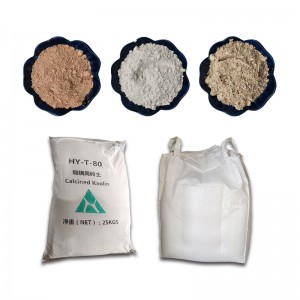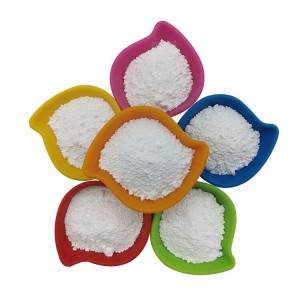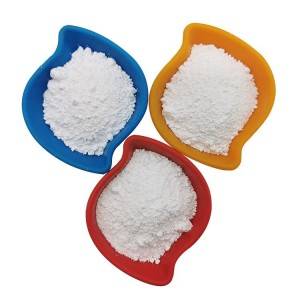


Calcined kaolin clay for ceramics production paper coating plastic filler rubber enhancement and paint formulation supporting industrial manufacturing
Short Description:
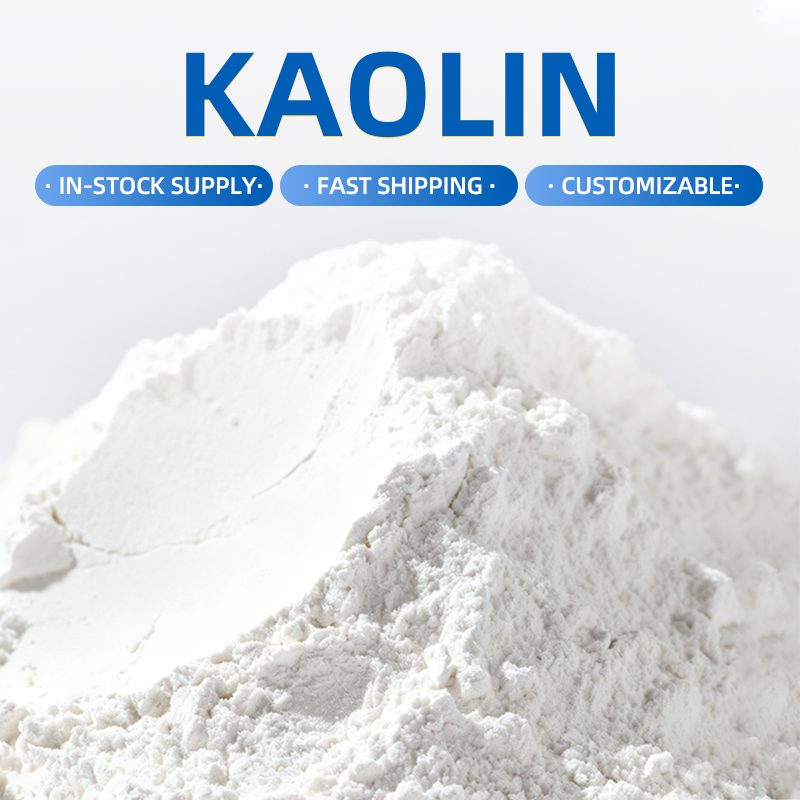
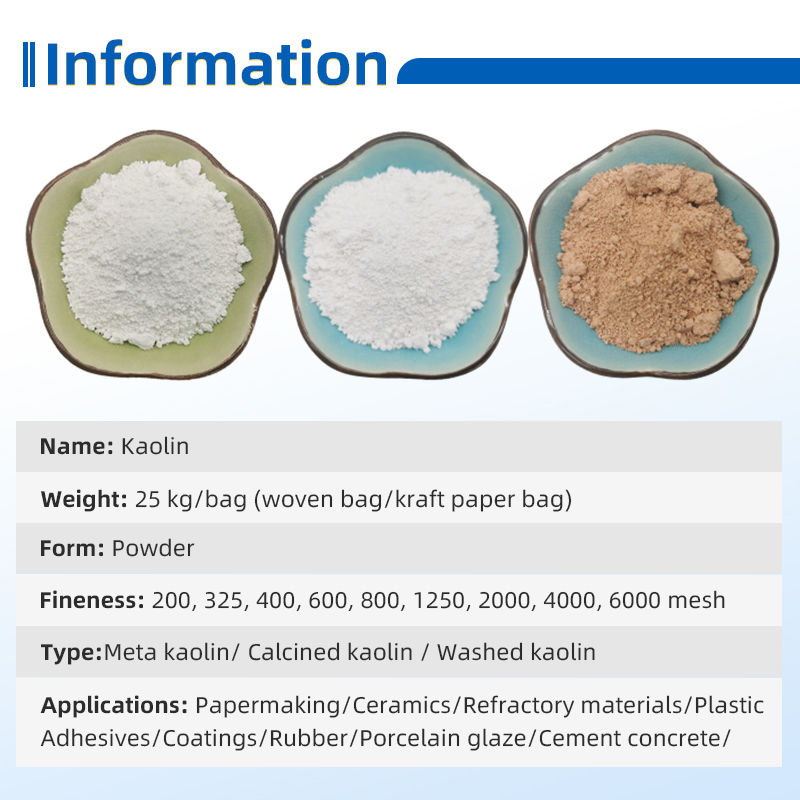
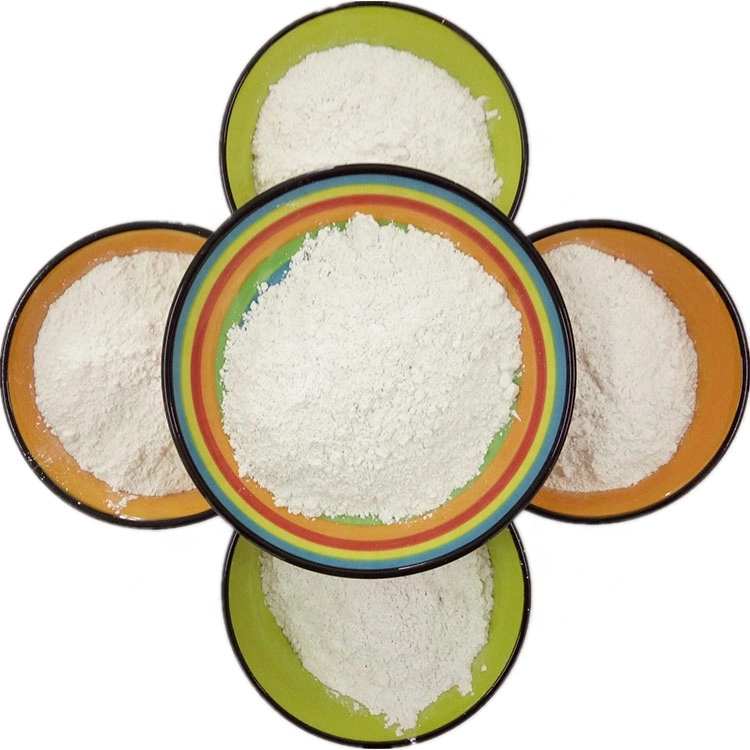
Kaolin Powder is naturally occurring non-metallic mineral dominated by kaolinite, formed through gradual decomposition and transformation of feldspar-rich aluminosilicate rocks under combined action of water, wind and biological factors over millions of years. It features soft, silky texture that feels smooth to touch, fine plate-like particles with ultra-thin lamellar structure (which can overlap and interlock) and synergistic physical-chemical properties that underpin its wide industrial value. Core traits include inherent whiteness that avoids discoloration of light-toned or transparent end products, excellent plasticity that enables easy shaping in semi-solid systems (such as sealant pastes) without cracking, stable chemical inertness that resists reactions with common industrial reagents like resins, solvents and plasticizers, and strong lamellar bonding that enhances formulation stability and anti-settling ability. These natural properties, combined with customizable processing technologies, allow it to integrate seamlessly into diverse industrial chains without disrupting core functions of base materials, acting as silent performance booster that upgrades product quality.
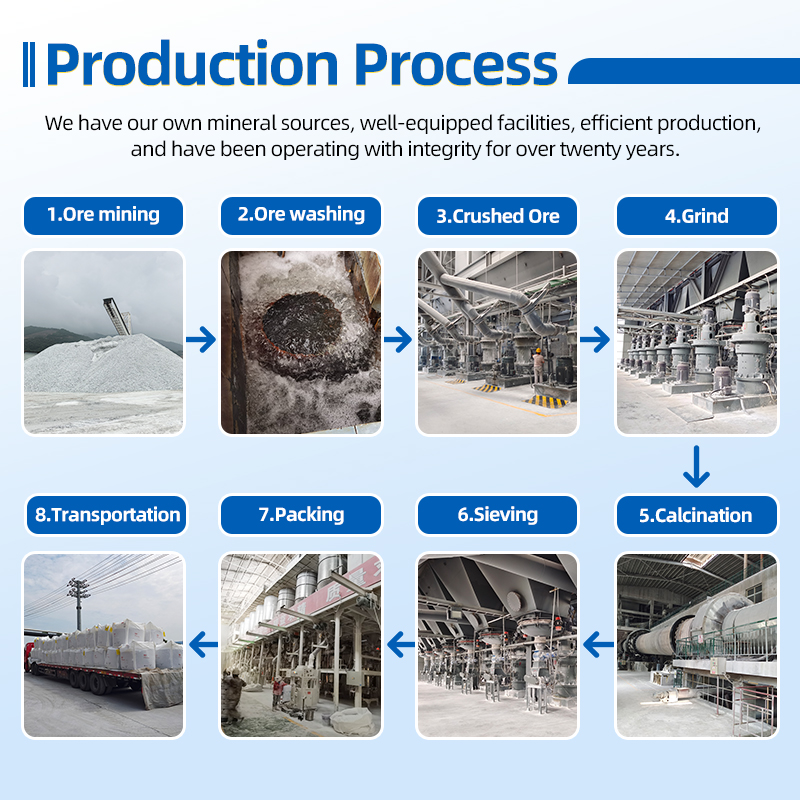
Processing techniques of kaolin powder are meticulously tailored to unlock targeted functionalities for different industrial needs. Washing, as foundational purification step, involves crushing raw ore into small fragments first, then mixing with water to form uniform slurry. This slurry is then passed through high-speed centrifugal separation equipment to remove heavier impurities, coarse grains and organic contaminants—this method improves purity and particle size uniformity more efficiently than traditional gravity separation, making it ideal for color-sensitive applications like light-toned plastic products. Calcining is a key step for enhancing high-temperature performance: particles are heated in sealed kilns under strictly controlled temperature and atmosphere conditions to eliminate internal moisture and organic matter. This process induces subtle changes in crystal structure, transforming kaolin into metakaolin that boasts significantly boosted hardness, thermal stability and opacity—critical for high-temperature scenarios such as refractory materials. Surface modification is essential for compatibility with organic matrices: particles are coated with silane coupling agents in high-speed mixers, forming a thin functional layer on the surface that improves bonding with polymers and resins. This modification effectively prevents particle agglomeration and maximizes reinforcing effects in composite materials. Each processing step is dynamically adjusted based on specific end-use requirements, ensuring kaolin powder delivers optimal performance across various industrial sectors.
Adhesive and sealant industry relies heavily on kaolin powder to solve key formulation pain points in industrial scenarios. It precisely adjusts viscosity of adhesive formulations to the ideal range—preventing sagging or dripping during vertical application on mechanical parts (such as engine components) while maintaining appropriate smoothness for bonding irregular pipe joints (common in chemical plants). Fine particle size and strong suspension ability of kaolin powder keep formulations uniform and stable during long-term storage (whether in sealed barrels or flexible tubes), avoiding sedimentation or stratification that causes uneven bonding strength. Kaolin powder enhances bonding strength through dual mechanisms: its ultra-fine particles penetrate deeply into tiny pores and crevices of substrates—whether metal (steel, aluminum), plastic (polypropylene, PVC) or wood (plywood, solid wood)—forming tight mechanical interlocks; meanwhile, its surface functional groups (after modification) form weak chemical bonds with substrate surfaces, jointly resisting peeling, shearing and corrosion from industrial chemicals (such as solvents and acids). In sealants used for chemical equipment (reactors, storage tanks), it significantly boosts temperature resistance and chemical stability, allowing sealants to withstand harsh working environments (high temperature, corrosive gas) without cracking or losing elasticity, effectively protecting equipment from leakage and ensuring production safety.
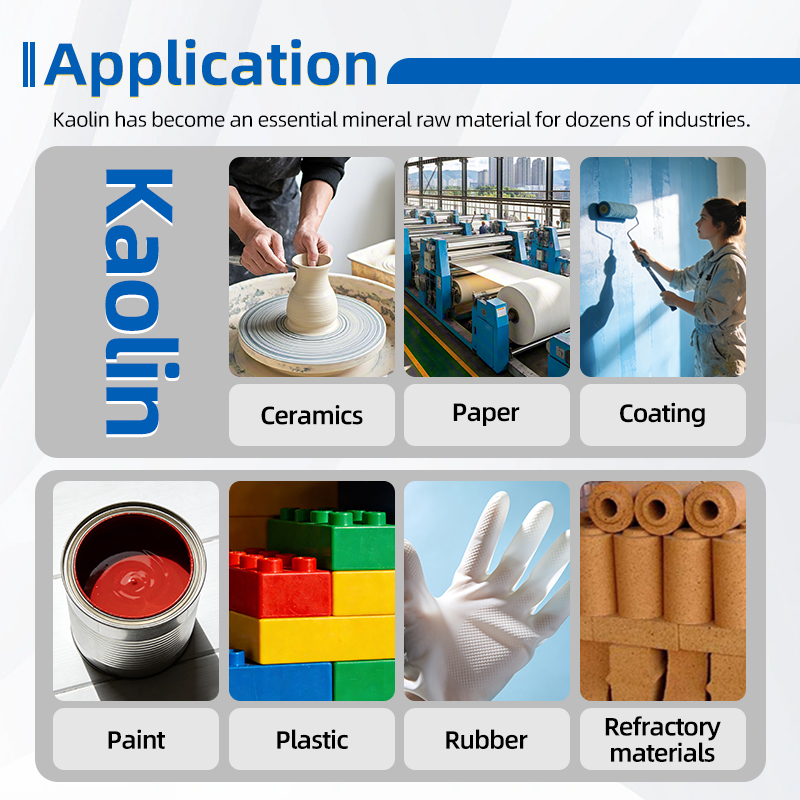
Refractory materials sector values kaolin powder’s exceptional thermal stability and anti-spalling ability more than any other industry. When mixed with alumina and magnesia in scientific proportions (adjusted based on specific equipment needs), it forms high-performance blends for manufacturing refractory castables and furnace linings—focused on key equipment such as glass melting furnaces (which operate at extremely high temperatures) and cement rotary kilns (subject to frequent temperature changes). These blends, with kaolin powder as core functional component, can retain stable structural integrity even under extreme heat, forming dense protective barriers that shield furnace walls from severe thermal shock (caused by sudden temperature rises or drops) and corrosion from harmful gases (released during melting or calcining processes). Kaolin powder’s unique lamellar structure fills tiny gaps between coarse refractory particles, greatly improving density of refractory products and reducing heat loss from furnaces—helping enterprises save energy. More importantly, its excellent anti-spalling trait prevents material peeling or cracking caused by repeated temperature cycles, significantly extending service life of refractory linings and reducing maintenance downtime and replacement costs for factories.
Plastic industry widely uses kaolin powder as cost-effective reinforcement to upgrade comprehensive performance of basic plastics. When added to polypropylene and polyethylene (the most commonly used general-purpose plastics), it significantly enhances rigidity of plastic products—making them suitable for manufacturing household appliance casings (refrigerators, washing machines) and construction plastic profiles (door and window frames). It also improves heat resistance of plastics, enabling them to be used in manufacturing electrical component housings (which generate heat during operation) without deformation. Additionally, kaolin powder boosts dimensional stability of plastics, preventing warping or shrinking after molding—critical for precision plastic parts. Surface-modified kaolin powder can disperse evenly in polymer matrices, forming strong interfacial bonds that increase impact resistance while maintaining surface smoothness—essential for appearance-sensitive products (such as plastic decorative parts). Importantly, it is fully compatible with existing extrusion and injection molding processes, allowing manufacturers to use existing equipment without additional modifications or production costs.

Composite materials industry leverages kaolin powder to perfectly balance performance, cost and weight—three core demands in composite manufacturing. In fiber-reinforced composites used for wind turbine blades (which require high strength and light weight) and automotive lightweight parts (aimed at reducing fuel consumption), kaolin powder acts as functional filler that not only enhances rigidity, fatigue resistance and dimensional stability of composites but also effectively reduces overall weight. It can replace part of expensive carbon fibers or glass fibers in composite formulations, significantly lowering production costs without compromising structural strength. Kaolin powder’s plate-like particles can align parallel to composite matrices during processing, forming a “lamellar reinforcement network” that improves stress distribution—effectively transferring external forces to fiber components, preventing localized damage (such as fiber breakage or matrix cracking) and extending service life of composite components under long-term cyclic loads (common in wind turbine operation and automotive driving).

Asphalt modification sector (a new application to differ from previous texts) enthusiastically embraces kaolin powder for its unique ability to upgrade road performance comprehensively. When added to asphalt mixtures (the main material for road construction), it significantly enhances high-temperature stability of asphalt, reducing the risk of rutting (formed by heavy traffic) on roads in hot climates (such as tropical or subtropical regions). Its lamellar structure can form a dense protective network in asphalt, improving anti-aging performance (resisting oxidation from sunlight and air) and water resistance (preventing water from penetrating into road layers)—greatly extending road service life. Kaolin powder also adjusts asphalt viscosity to the optimal range, optimizing construction workability (making it easier to pave and compact) without affecting final hardness of the road surface. This application is widely used in highway and urban road construction, especially in key projects requiring high durability (such as expressways and airport runways), perfectly meeting demands for reliable and long-lasting transportation infrastructure.
Product Description
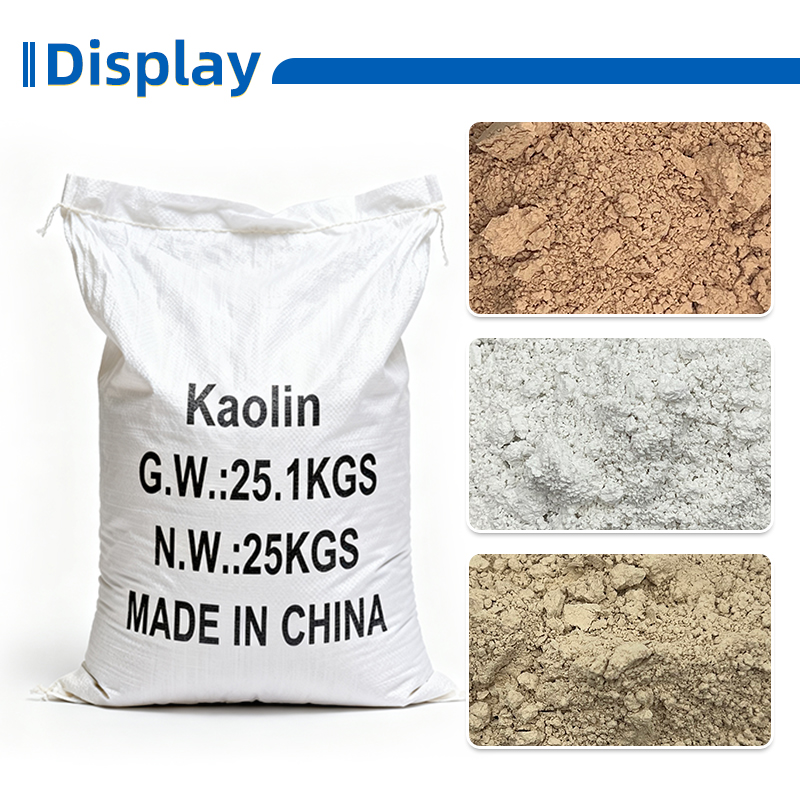
We have calcined kaolin, washed kaolin, metakaolin.
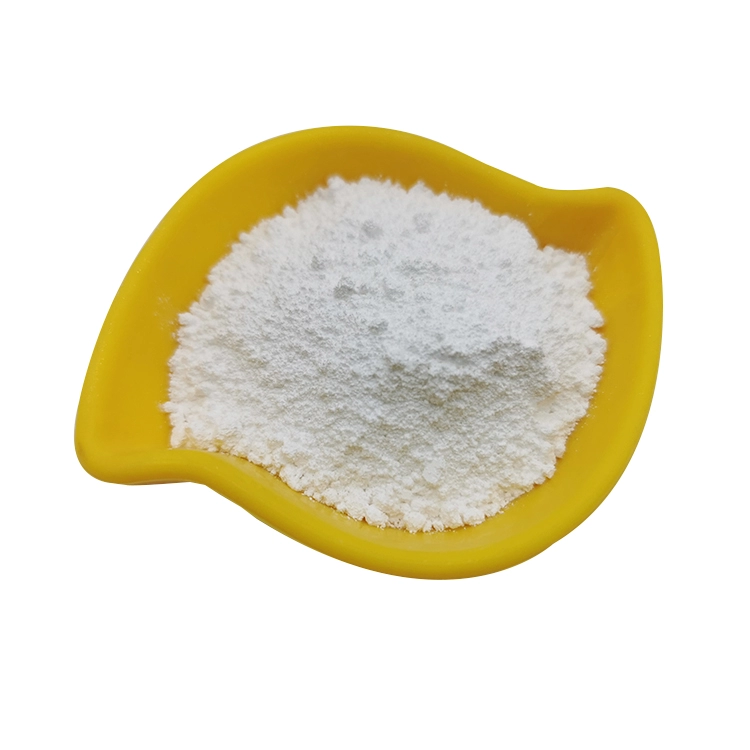
Calcined kaolin, also known as porcelain clay, It has high whiteness, high fineness, good plasticity, and has strong corrosion
resistance and good durability. It is an excellent raw material for making ceramics and rubber.
Calcined kaolin, also known as porcelain clay, It has high whiteness, high fineness, good plasticity, and has strong corrosion
resistance and good durability. It is an excellent raw material for making ceramics and rubber.
Details Images
Our advantage:
We are the directly factory, we can fast delivery, and we can supply any size of the tourmaline with high quality.
We are the directly factory, we can fast delivery, and we can supply any size of the tourmaline with high quality.
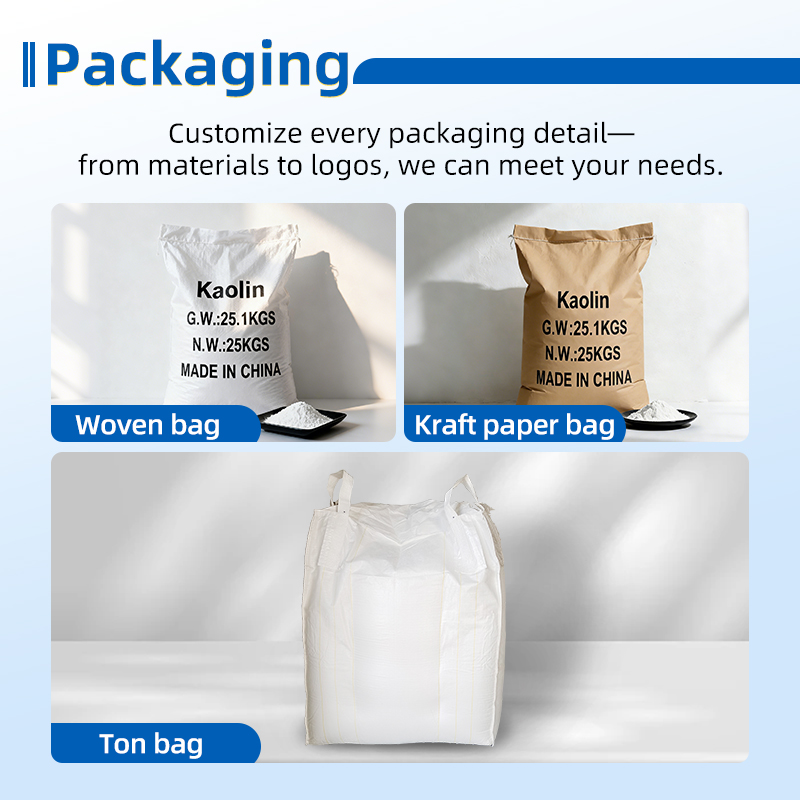
Also as a manufacturer, we can meet any of your customized requirements, such as special package, your own logo, natural ingredients, new mica color match, MSDS & TDS are available etc.
|
Categories
|
Industrial Grade
|
Steel
Grade |
Ceramic Grade
|
Fluorescence grade
|
Optical
Grade |
High
Purity |
|
|
Content not less than (%)
|
93.0
|
96.0
|
98.0
|
99.0
|
99.8
|
99.99
|
|
|
Impurity content not more than
(%) |
Na
|
0.05
|
0.01
|
0.002
|
|||
|
K
|
0.05
|
0.01
|
0.002
|
||||
|
Ca
|
|||||||
|
Mg
|
0.5
|
0.1
|
0.05
|
0.05
|
0.02
|
||
|
Si
|
1%
|
0.5
|
0.1
|
0.05
|
0.01
|
0.002
|
|
|
SO4
|
0.5
|
0.1
|
0.05
|
0.03
|
0.01
|
0.005
|
|
|
Fe
|
0.1
|
0.05
|
0.05
|
0.001
|
0.0005
|
0.0001
|
|
|
Cl
|
0.1
|
0.1
|
0.05
|
0.05
|
0.01
|
0.001
|
|
|
Al
|
0.1
|
0.1
|
0.05
|
0.02
|
0.002
|
0.001
|
|
|
Cu
|
0.05
|
0.02
|
0.002
|
0.001
|
0.0005
|
0.0002
|
|
|
Heavy metals (Pb)
|
0.05
|
0.02
|
0.002
|
0.001
|
0.0005
|
0.0002
|
|
Use of Iron Oxide Pigments
1. In building materials industry, it is mainly used for color cement, color cement floor tiles, color cement tiles, imitation glazed tiles, concrete floor tiles, color mortar, color asphalt, terrazzo, mosaic tiles, artificial marble and wall painting.
2. It can be used for colouring and protecting substances of various coatings, including water-borne interior and exterior wall coatings, powder coatings, etc. It can also be used for various primers and topcoats such as epoxy, alkyd, amino, etc. in oily paints, as well as for toy paints, decorative paints, furniture paints, electrophoretic paints and enamels. Iron red primer has anti-rust function, can replace high-priced red red paint, save non-ferrous metals.
The manufacturer supplies iron oxide red, iron oxide green, iron oxide blue, iron oxide yellow, iron oxide violet, iron oxide brown, iron oxide black and so on. The color is complete, the quantity is large and the discount is favorable. Support mixed batches. Welcome to call for consultation.
1. In building materials industry, it is mainly used for color cement, color cement floor tiles, color cement tiles, imitation glazed tiles, concrete floor tiles, color mortar, color asphalt, terrazzo, mosaic tiles, artificial marble and wall painting.
2. It can be used for colouring and protecting substances of various coatings, including water-borne interior and exterior wall coatings, powder coatings, etc. It can also be used for various primers and topcoats such as epoxy, alkyd, amino, etc. in oily paints, as well as for toy paints, decorative paints, furniture paints, electrophoretic paints and enamels. Iron red primer has anti-rust function, can replace high-priced red red paint, save non-ferrous metals.
The manufacturer supplies iron oxide red, iron oxide green, iron oxide blue, iron oxide yellow, iron oxide violet, iron oxide brown, iron oxide black and so on. The color is complete, the quantity is large and the discount is favorable. Support mixed batches. Welcome to call for consultation.
In addition, graphite is also a polishing agent and antirust agent for glass and paper in light industry, and an indispensable raw material for making pencils, ink, black paint, inks, artificial diamonds and diamonds. It is a good energy-saving and environmental protection material, which has been used as a car battery in the United States. With the development of modern science and technology and industry, the application field of graphite is still expanding. It has become an important raw material of new composite materials in the high-tech field and plays an important role in the national economy.
Write your message here and send it to us