

Diatomaceous earth powder filtration coatings adsorbents construction materials rubber plastics paper manufacturing ceramics water treatment paints asphalt roofing insulation sectors
Short Description:
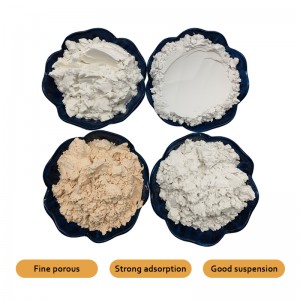
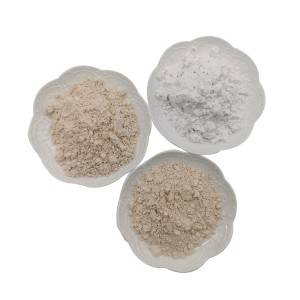
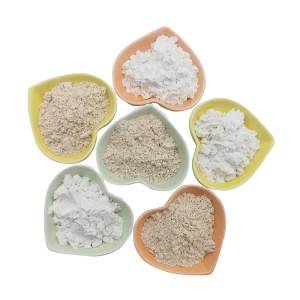
Diatomaceous Earth Powder originates from fossilized remains of tiny aquatic organisms known as diatoms. These microscopic organisms, after dying, sink to the bottom of water bodies and accumulate over millions of years, forming sedimentary deposits. These fossil deposits then undergo a series of careful processing steps—including mining, crushing, drying, and grading—to be transformed into fine, uniform powder with a range of unique traits. Among these traits, the most prominent one is its highly porous structure, which is formed by the intricate silica shells of the ancient diatoms. This porous structure results in an exceptionally large surface area relative to its volume, a feature that sets it apart from many other industrial powders. This special structure endows the powder with strong adsorption ability, efficient filtration performance, and stable chemical properties that resist reactions with most common industrial substances. Such a combination of traits makes it an essential material across numerous industrial sectors, as it can seamlessly fit into different production workflows without requiring complex adjustments or specialized equipment to utilize.
In the filtration sector, diatomaceous earth powder plays an irreplaceable role due to its unique porous makeup. Its microscopic pores act like a natural, highly efficient sieve, capable of trapping tiny suspended particles—some as small as a few micrometers—that ordinary filter media, such as cloth or paper filters, might easily miss. A key application here is in water treatment processes: whether dealing with industrial wastewater from manufacturing plants or raw water sources used in production, adding diatomaceous earth powder to the water causes it to bind with impurities like fine sediment, organic residues, and even small chemical contaminants. As the mixture settles or passes through a filter, the powder traps these impurities, leaving behind clarified water that meets strict industrial use standards. Many factories, from textile mills to chemical plants, rely on this powder for treating their process water, ensuring that the water used in production lines is free from particles that could clog machinery, scratch product surfaces, or interfere with chemical reactions in manufacturing. Beyond water, it also excels in filtering industrial liquids like lubricating oils, hydraulic fluids, and chemical solutions. By removing tiny solid contaminants from these liquids, it not only improves the purity of the final products but also extends the lifespan of the equipment that uses these fluids.
The coatings sector benefits greatly from the unique properties of diatomaceous earth powder, making it a popular additive in both industrial and decorative paints. When mixed into paint formulations, its porous nature enhances several key performance metrics: it boosts the hiding power of the coating, meaning fewer coats are needed to achieve full coverage over surfaces. It also improves wear resistance, making painted surfaces more durable against scratches, abrasion, and daily use—an important feature for high-traffic areas or industrial equipment coatings. Additionally, the powder adjusts the bonding force between the coating and the base surface, whether that surface is metal, wood, or concrete, reducing the chances of peeling, cracking, or flaking over time. The porous structure further speeds up the drying time of the coatings by allowing moisture and solvents to evaporate more quickly, which shortens production cycles for manufacturers who apply coatings to large batches of products. For decorative coatings, such as those used in interior design, the powder creates a desirable matte finish by scattering light through its porous structure, avoiding the harsh glare of glossy paints and meeting diverse aesthetic needs. Moreover, paint products infused with diatomaceous earth powder show better resistance to weathering, including UV radiation, rain, and temperature fluctuations, helping exterior painted surfaces maintain their appearance and protective performance for years in outdoor environments.

As an adsorbent, diatomaceous earth powder excels in capturing a wide range of impurities, odors, and unwanted substances, making it valuable in various industrial settings. One key application is in waste gas treatment: factories that emit volatile organic compounds, fumes, or other harmful gases pass these emissions through filters filled with diatomaceous earth powder, which traps the harmful substances within its pores before the cleaned gas is released. This helps facilities meet emission standards and improve air quality in their surroundings. The powder also serves as an effective moisture absorber in storage facilities: when placed alongside materials like textiles, paper, or metal parts, it absorbs excess moisture from the air, preventing mold growth, mildew, and corrosion that can degrade products. In oil processing plants, it is used to adsorb excess oil from the surfaces of parts, machinery, or finished products, ensuring cleanliness and preventing oil-related contamination. What makes it particularly reliable is that its adsorption ability remains stable under a wide range of temperature and humidity conditions—from the high heat of industrial ovens to the dampness of storage warehouses—making it a consistent choice for long-term use without losing effectiveness. Unlike some synthetic adsorbents, it also retains its structure even when fully saturated, making it easy to handle and dispose of or regenerate for repeated use in some cases.
The construction materials sector values diatomaceous earth powder primarily for its excellent thermal insulation and soundproofing capabilities, as well as its ability to enhance durability. When mixed into wall materials like plaster, drywall, or specialized insulation boards, its porous structure acts as a barrier to heat conduction: in winter, it traps warm air inside buildings, reducing heat loss; in summer, it blocks hot air from entering, helping maintain stable indoor temperatures without over-reliance on heating or cooling systems. Beyond insulation, the powder also absorbs sound waves by dissipating their energy within its pores, lowering noise transmission between rooms or from outdoor environments—making it ideal for use in residential buildings, offices, and industrial workshops where noise control is important. In asphalt road construction, adding diatomaceous earth powder to the asphalt mixture brings multiple benefits: it improves the overall durability of the road surface, enhances wear resistance against heavy traffic, and boosts skid resistance, which is crucial for safety in wet or icy conditions. It also reduces common road issues like oil bleeding (where asphalt binder rises to the surface) and rutting (deep grooves caused by repeated vehicle pressure), extending the service life of roads by several years and significantly cutting down on costly maintenance and repaving work. For roofing materials, such as asphalt shingles or waterproof membranes, the powder adds an extra layer of waterproof performance by filling tiny gaps in the material and creating a dense, water-resistant barrier, protecting buildings from leaks, water damage, and rot in roof structures.
The rubber and plastics sectors widely use diatomaceous earth powder as a cost-effective filler and performance reinforcer, as it improves product quality without adding excessive weight or cost. In rubber production—for items like tires, seals, hoses, and gaskets—the powder increases the hardness and toughness of the rubber while enhancing its wear resistance, a critical factor for products that endure constant friction or pressure. Its small particle size (often measured in micrometers) and large surface area allow it to bond tightly with the rubber matrix, enhancing adhesion between the powder and rubber and boosting the material’s tensile strength, which prevents tearing or stretching under stress. It also acts as an anti-settling agent during the mixing process, ensuring that other additives (like colorants or antioxidants) remain evenly distributed throughout the rubber, avoiding inconsistencies in performance or appearance. For plastics—used in products ranging from pipes and fittings to packaging materials and automotive components—the powder improves impact resistance, making plastic less likely to crack when dropped or hit. It also enhances tear resistance and aging resistance, protecting plastic products from becoming brittle over time due to exposure to sunlight or temperature changes. Plastic pipes infused with diatomaceous earth powder, for example, show better resistance to pressure and chemical corrosion, while packaging materials become more durable and less prone to tearing during shipping and handling.
The paper manufacturing and ceramics sectors also rely heavily on diatomaceous earth powder for its ability to improve product performance and streamline production processes. In paper manufacturing—for products like printing paper, packaging paper, and specialty papers (such as those used in filters or medical packaging, excluding medical applications themselves)—the powder acts as a coating or filler that enhances key properties. It improves the opacity of the paper, ensuring that ink does not bleed through from one side to the other, and boosts smoothness, which results in sharper, clearer print quality for books, magazines, and marketing materials. It also reduces paper shrinkage caused by changes in humidity, a common issue that can warp paper or cause printed materials to curl, ensuring dimensional stability even in damp or dry environments. For packaging paper, the powder adds a layer of stiffness and tear resistance, making boxes and bags more durable for shipping heavy items. In ceramics manufacturing—for products like floor tiles, wall tiles, industrial ceramics (such as those used in kiln linings or high-temperature containers), and decorative ceramics—the powder plays a key role in reducing production costs and improving performance. It lowers the sintering temperature required to harden ceramic materials, which saves energy and reduces wear on kilns. It also improves the porosity of ceramic products, making them lighter without sacrificing strength, and enhances their thermal stability, allowing them to withstand extreme temperatures without cracking or breaking. Industrial ceramics made with diatomaceous earth powder, for example, maintain their structural integrity in high-heat environments like furnaces or foundries, while floor tiles become more resistant to scratches and stains due to the powder’s reinforcing effect.
In summary, diatomaceous earth powder stands out as an exceptionally versatile industrial material whose value stems from its natural porous structure and stable, multi-functional properties. These characteristics enable it to serve a wide range of critical roles across key sectors: from purifying liquids in filtration and treating emissions in adsorption to enhancing durability in coatings, construction materials, rubber, plastics, paper, and ceramics. In every application, it delivers tangible benefits: it enhances product performance by boosting strength, resistance, and consistency; shortens production cycles by speeding up processes like drying or sintering; reduces costs by acting as a cost-effective filler or reducing maintenance needs; and improves reliability by maintaining its properties under diverse industrial conditions. For manufacturers across these sectors, whether they produce small components or large-scale infrastructure materials, diatomaceous earth powder provides practical, easy-to-implement solutions that meet diverse production needs—no specialized training or equipment is required to integrate it into existing workflows. Incorporating it into production processes helps optimize operations by reducing waste, improving efficiency, and delivering products that meet higher quality standards, which in turn helps businesses stand out in competitive markets. Its wide range of applications, consistent performance, and natural origins make it a valuable, long-term asset in industrial production, with uses that continue to expand as manufacturers discover new ways to leverage its unique traits.
Write your message here and send it to us