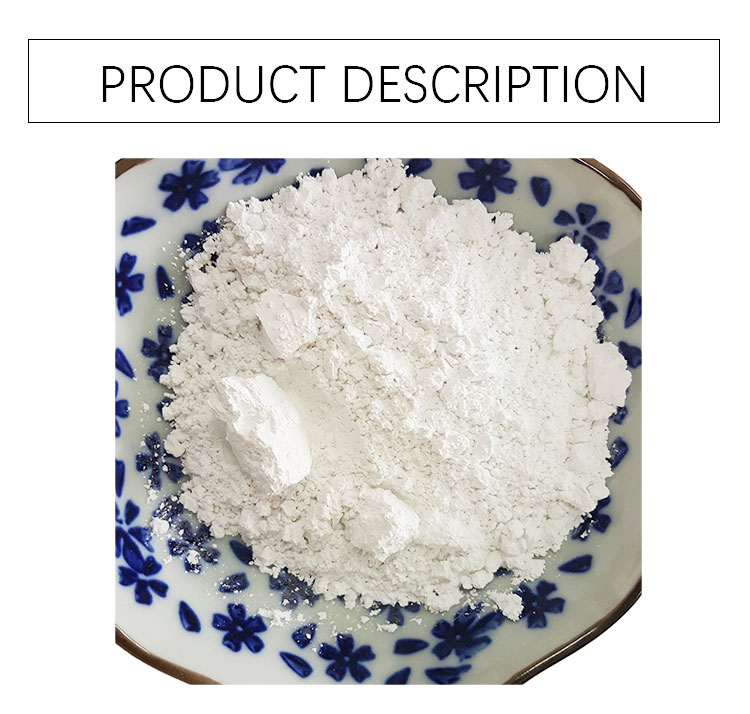
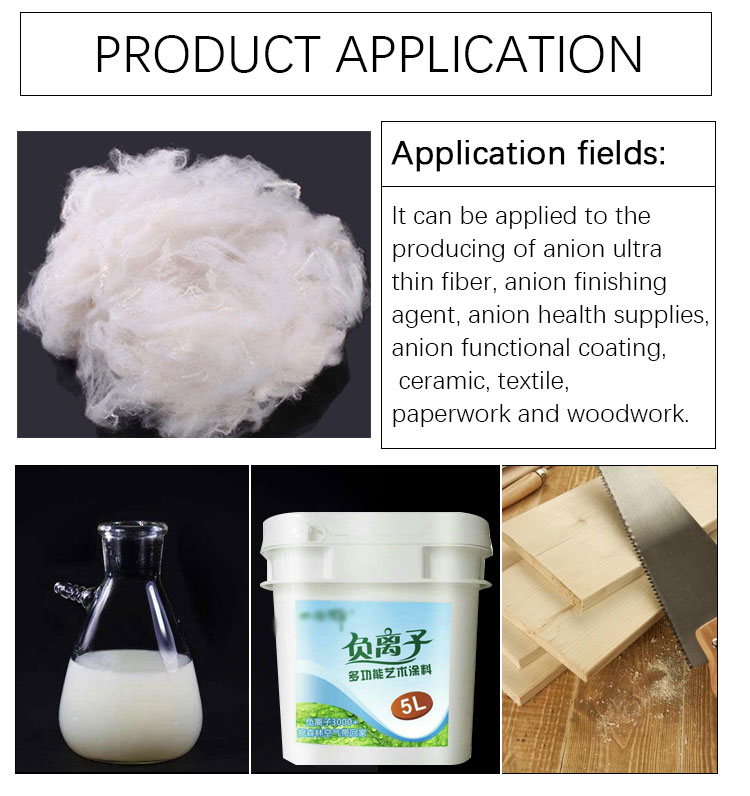
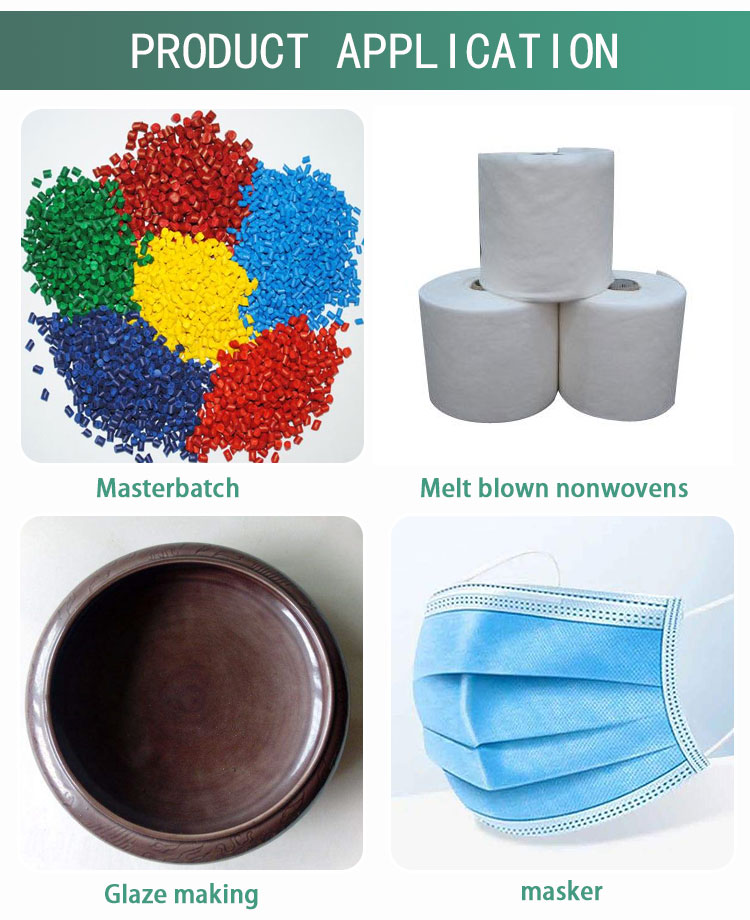
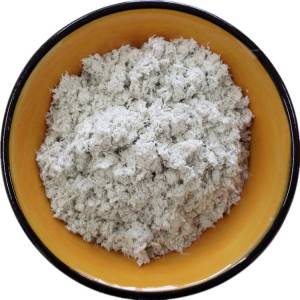
Processing of Tourmaline Powder focuses on preserving inherent traits and optimizing compatibility with target applications. Ore processing begins with coarse crushing using low-energy jaw crushers to prevent particle damage, followed by fine grinding via airflow mills operating at moderate temperatures—this method retains tourmaline’s crystal structure, which is critical for thermal stability and hardness. Multi-stage air classification separates powder into precise particle size grades: ultra-fine powder (for Ceramic Glaze Modification, ensuring no visible particles in glazes); medium-grade powder (for Surface Coating, enabling smooth application); and coarse powder (for Plastic Reinforcement, providing structural support). No toxic chemicals or solvents are used throughout processing, maintaining non-toxic nature suitable for consumer and industrial products.
Key processing step involves surface activation tailored to end uses: Tourmaline Powder for Plastic Reinforcement is treated with natural silicate compounds to enhance adhesion to polymer resins; powder for Ceramic Glaze Modification undergoes low-temperature calcination to reduce moisture content (preventing glaze bubbling); powder for Decorative Stone Enhancement is coated with plant-based waxes to improve dispersion in coating formulations. Waste generated during processing—mainly non-tourmaline mineral residues—is repurposed as aggregate in Architectural Materials (like concrete blocks), aligning with Circular Economy principles by minimizing landfill waste. Energy efficiency is prioritized via solar-powered drying systems and heat recovery from grinding processes, reducing overall carbon footprint.
Core properties of Tourmaline Powder make it irreplaceable across target industries, with each trait directly addressing application challenges. Thermal stability allows Tourmaline Powder to retain structure at high temperatures—critical for Ceramic Glaze Modification, where it resists color shifting and glaze cracking during kiln firing. Hardness (exceeding that of many mineral additives) enhances wear resistance in Decorative Stone Enhancement, ensuring colored or coated stones maintain appearance in high-traffic areas. Dispersion ability enables uniform distribution in Plastic Reinforcement, preventing weak spots in polymer products. Surface reactivity promotes strong bonding with diverse substrates, from ceramic glazes to plastic resins, reducing risk of additive separation over time. Color neutrality of clear tourmaline powder preserves base hues in coatings and glazes, while colored variants (like green or pink) can add subtle tinting for custom aesthetics.
Ceramic Glaze Modification stands as flagship application for Tourmaline Powder, where it solves common industry challenges. In residential tile production, ultra-fine pink tourmaline powder is added to transparent glazes to boost thermal shock resistance—tiles coated with these glazes withstand sudden temperature changes (like hot pots placed on kitchen tiles) without cracking. For decorative ceramic vases, green tourmaline powder is mixed into colored glazes to enhance color depth and gloss; its fine particle size eliminates streaking, creating smooth, uniform finishes. Industrial ceramic applications (like floor tiles for commercial spaces) use black tourmaline powder to reinforce glazes, doubling wear resistance compared to standard glazes and reducing replacement frequency.
Plastic Reinforcement benefits significantly from Tourmaline Powder’s structural and functional traits. In outdoor plastic furniture, coarse black tourmaline powder is blended into polyethylene resins—this combination enhances UV resistance (preventing plastic fading) and increases impact strength, allowing furniture to withstand harsh weather and heavy use. For plastic packaging used in industrial parts, medium-grade tourmaline powder adds rigidity without sacrificing flexibility, reducing material usage while maintaining durability. Decorative plastic panels (used in interior design) integrate ultra-fine pink or green tourmaline powder to create subtle, marble-like textures; powder’s dispersion ability ensures consistent pattern across large panels, avoiding blotchiness common with other additives.
Decorative Stone Enhancement leverages Tourmaline Powder’s aesthetic and protective properties. In natural marble renovation, medium-grade tourmaline powder is mixed into stone sealants to create protective Surface Coating—powder’s hardness forms barrier against scratches, while its transparency preserves marble’s natural veining. For artificial stone production, tourmaline powder is integrated into resin-stone mixtures: black tourmaline adds depth to granite-like artificial stones, while pink tourmaline creates rose-hued variants. These artificial stones require less maintenance than natural stone, as tourmaline’s weather resistance prevents color fading and surface degradation. In landscaping, tourmaline-powder coated river rocks retain vibrant colors for years, outperforming uncoated rocks that fade quickly in sunlight.
Architectural Materials integrate Tourmaline Powder for both function and aesthetics. In concrete decorative blocks, coarse tourmaline powder is added to concrete mixtures to enhance strength and add subtle texture—blocks with tourmaline powder resist cracking better than standard concrete and hold paint longer. For drywall joint compounds, ultra-fine tourmaline powder improves workability and reduces shrinkage, ensuring smooth, long-lasting joints. Exterior stucco formulations use medium-grade tourmaline powder to boost weather resistance; stucco with tourmaline powder resists rain penetration and retains color, reducing repainting needs for residential and commercial buildings.
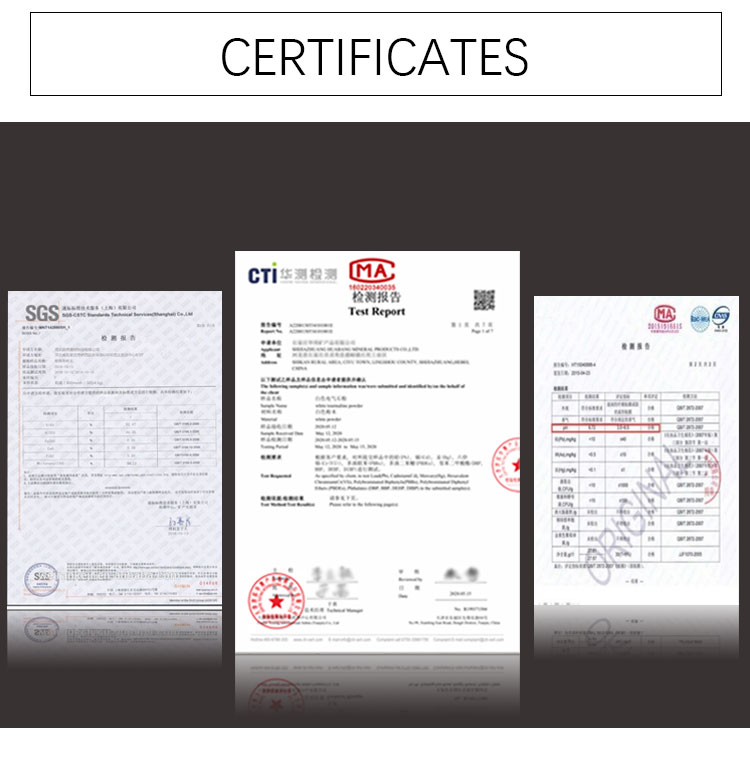
Quality control of Tourmaline Powder is tailored to specific applications, ensuring consistent performance. For Ceramic Glaze Modification, tests include particle size analysis (via laser diffraction) to verify uniformity, thermal stability tests (exposing powder to firing temperatures to check structure retention), and glaze compatibility tests (mixing with glazes to ensure no bubbling or discoloration). For Plastic Reinforcement, tests measure tensile strength (verifying reinforcement effect), dispersion uniformity (inspecting plastic samples for additive clumps), and UV resistance (exposing samples to simulated sunlight to check color and strength retention).
For Decorative Stone Enhancement, wear resistance tests use standardized abrasion machines to simulate foot traffic; adhesion tests measure bond strength between powder coatings and stone surfaces. For Architectural Materials, compression strength tests verify structural improvement, and weather resistance tests expose samples to rain, sunlight, and temperature cycles. All tourmaline powder batches undergo purity testing to ensure no harmful contaminants, and recycled powder waste (from production trimmings) undergoes magnetic separation to remove metal impurities before reuse in less demanding applications (like concrete aggregates).
In conclusion, Tourmaline Powder stands as cornerstone mineral additive aligning with Sustainable Living and Circular Economy. Its natural origin, eco-friendly processing, and versatile properties—thermal stability, hardness, dispersion ability—drive unique value in Ceramic Glaze Modification, Plastic Reinforcement, Decorative Stone Enhancement, and Architectural Materials. Unlike synthetic additives that rely on toxic chemicals or have narrow application scopes, Tourmaline Powder enhances both functional and aesthetic traits of end products while minimizing environmental impact.
Real-world applications demonstrate its adaptability: from durable ceramic tiles to weather-resistant plastic furniture, and from long-lasting decorative stone to strong architectural materials. As demand for multi-functional, long-lasting materials grows—fueled by consumer preference for low-maintenance products and industrial focus on waste reduction—Tourmaline Powder is poised to expand its market reach. Ongoing research into nano-sized Tourmaline Powder and advanced surface activation techniques promises even greater performance, such as enhanced transparency in glazes and improved reinforcement in biodegradable plastics.