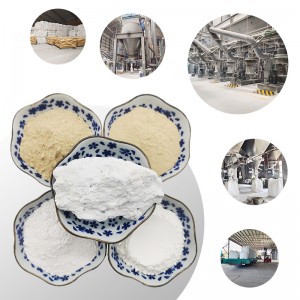
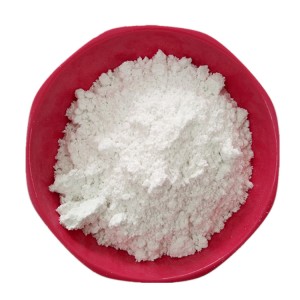
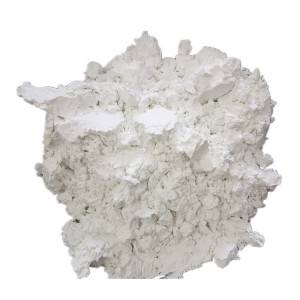
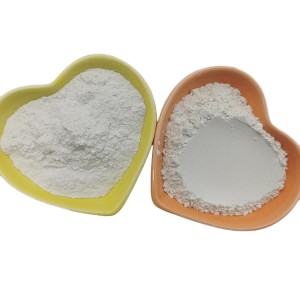
Bentonite powder is a naturally occurring clay mineral formed through the long-term geological alteration of volcanic ash and silicate rocks, boasting a unique layered crystalline structure that underpins its exceptional performance in industrial applications, most notably within the foundry sector. This fine, soft powder carries inherent properties such as strong water absorption, remarkable swelling capacity, superior binding ability, excellent thermal stability, and uniform dispersibility, all of which make it an irreplaceable raw material in modern foundry operations. Bentonite powder serves as the core binding component in foundry molding sand systems, acting as the backbone that holds sand particles together to form robust, dimensionally accurate molds and cores for metal casting processes. Its role in the foundry industry extends far beyond simple binding, influencing every stage of casting production, from sand mixing and mold shaping to molten metal pouring, solidification, and shakeout, directly impacting the quality of finished castings, production efficiency, and overall operational costs for foundries worldwide.
In the foundry industry, bentonite powder is predominantly utilized in green sand molding, the most widely adopted casting method across global manufacturing, relied upon for producing a vast array of ferrous and non-ferrous metal castings. Green sand, composed primarily of silica sand, bentonite powder, water, and minor auxiliary additives, depends entirely on bentonite powder to create the cohesive bond between individual sand grains. When bentonite powder is mixed with water, its layered structure swells significantly, forming a thin, sticky film that coats each sand particle and fuses them into a cohesive mass. This bonding mechanism is reversible and flexible, allowing the green sand mixture to be easily molded into intricate shapes, compacted uniformly, and retain its form during handling, transportation, and the critical molten metal pouring phase. Without bentonite powder, green sand molding would be unfeasible, as loose sand lacks the structural integrity to withstand the extreme heat and pressure of molten metal, leading to mold collapse, casting defects, and failed production runs.
The binding performance of bentonite powder directly dictates the green strength of foundry molds, a key parameter that defines the mold’s ability to maintain its shape and resist deformation during manual and mechanical handling. High-quality bentonite powder forms a strong yet pliable bond between sand particles, ensuring molds do not crack, chip, or lose dimensional accuracy when being moved from molding stations to pouring lines, or when positioned within casting flasks. This robust green strength is vital for both small-scale manual foundries and large-scale automated casting lines, where consistent mold integrity is essential to minimize production disruptions and reject rates. Bentonite powder with optimal swelling and binding properties ensures that even complex molds with thin sections, deep cavities, and delicate contours hold their shape perfectly, enabling the production of intricate castings used in automotive, machinery, construction, and industrial equipment sectors.
Beyond green strength, bentonite powder contributes significantly to the hot strength of foundry molds, a critical characteristic that allows molds to withstand the searing temperatures of molten metal without breaking down or deforming. When molten iron, steel, or non-ferrous metals such as aluminum and copper are poured into molds, the intense heat rapidly evaporates residual moisture in the green sand and triggers thermal changes in the bentonite powder binder. High-grade bentonite powder maintains its structural stability under these extreme thermal conditions, preventing the mold wall from collapsing, eroding, or cracking as the molten metal fills the mold cavity and solidifies. This hot strength ensures that the casting retains the exact shape and dimensions of the mold, eliminating defects like metal penetration, sand inclusions, and dimensional distortion that would render castings unusable. Foundries rely on bentonite powder to deliver consistent hot strength across all casting runs, ensuring every piece meets strict dimensional and quality standards.

Another indispensable property of bentonite powder in foundry applications is its excellent collapsibility, which simplifies the post-casting shakeout process and reduces labor and equipment wear. After the molten metal solidifies and cools to a manageable temperature, the bonded sand mold must be broken apart to extract the finished casting, and the sand recycled for reuse. Bentonite powder’s binding structure weakens predictably as the mold cools, allowing the sand to break down easily under mechanical vibration or impact during shakeout, without leaving stubborn, hardened sand residues stuck to the casting surface. This superior collapsibility not only speeds up production flow by reducing time spent on casting extraction but also minimizes damage to castings during demolding, such as scratches, dents, or broken edges. Additionally, bentonite powder facilitates efficient sand reclamation, as the broken-down sand can be easily screened, cleaned, and re-mixed with fresh bentonite powder and water, reducing raw material waste and lowering ongoing production costs for foundries of all sizes.

Bentonite powder also plays a pivotal role in improving the surface finish of cast metal parts, a key quality metric that determines the suitability of castings for final use without extensive secondary machining. The fine particle size and uniform dispersibility of bentonite powder ensure that the green sand mixture forms a smooth, dense mold surface with minimal porosity and irregularities. When molten metal flows into this smooth mold cavity, it replicates the mold’s surface texture accurately, resulting in castings with clean, even surfaces free from sand pits, rough patches, and other surface flaws. This enhanced surface finish reduces the need for costly and time-consuming machining, grinding, and polishing operations, streamlining the production process and improving overall productivity. For precision castings used in automotive engines, hydraulic systems, and precision machinery, the smooth surface finish enabled by bentonite powder is critical to ensuring proper fit, function, and performance of the final component.
In the production of foundry cores, which are used to create internal cavities, holes, and complex internal geometries in castings, bentonite powder serves as a reliable binding agent for core sand mixtures. Cores face even more demanding conditions than external molds, as they are fully surrounded by molten metal and exposed to prolonged high temperatures during casting. Bentonite powder provides the necessary strength and thermal stability for cores, preventing them from shifting, breaking, or disintegrating during metal pouring and solidification. This ensures that internal features of castings are accurately formed, with consistent dimensions and smooth internal surfaces. Bentonite powder-based core sand mixtures are easy to prepare, mold, and bake, offering a cost-effective alternative to resin-bonded cores for many standard casting applications, making it a staple in both small jobbing foundries and large-scale production foundries.


The adaptability of bentonite powder makes it suitable for all types of metal casting processes within the foundry industry, covering ferrous metals like gray iron, ductile iron, and carbon steel, as well as non-ferrous metals including aluminum alloys, brass, and bronze. Each metal type requires specific mold properties, and bentonite powder can be tailored to meet these unique demands by adjusting the mixing ratio with sand and water, or by using specially processed bentonite powder grades. For iron casting, which involves extremely high molten metal temperatures, bentonite powder provides exceptional hot strength and thermal stability to prevent mold failure. For aluminum and other non-ferrous metal casting, bentonite powder delivers smooth mold surfaces and excellent collapsibility, ensuring high-quality, defect-free castings with fine surface details. This versatility eliminates the need for multiple specialized binding agents, simplifying foundry raw material management and reducing operational complexity.

Different grades of bentonite powder are processed to meet the diverse needs of the global foundry industry, with each grade formulated to deliver specific performance attributes for different casting applications. Sodium bentonite powder, the most commonly used grade in foundries, offers superior swelling capacity, binding strength, and thermal stability, making it ideal for high-volume, high-temperature ferrous metal casting operations. Its strong water absorption and binding properties ensure consistent mold strength and performance, even in large-scale automated foundry lines. Calcium bentonite powder, while having slightly lower swelling capacity, provides good binding performance and cost efficiency, making it suitable for small-scale foundries, non-ferrous metal casting, and applications where extreme high-temperature resistance is not required. Activated bentonite powder, processed to enhance its binding and swelling properties, offers premium performance for precision casting, thin-walled castings, and complex component production, where mold quality and casting accuracy are paramount.
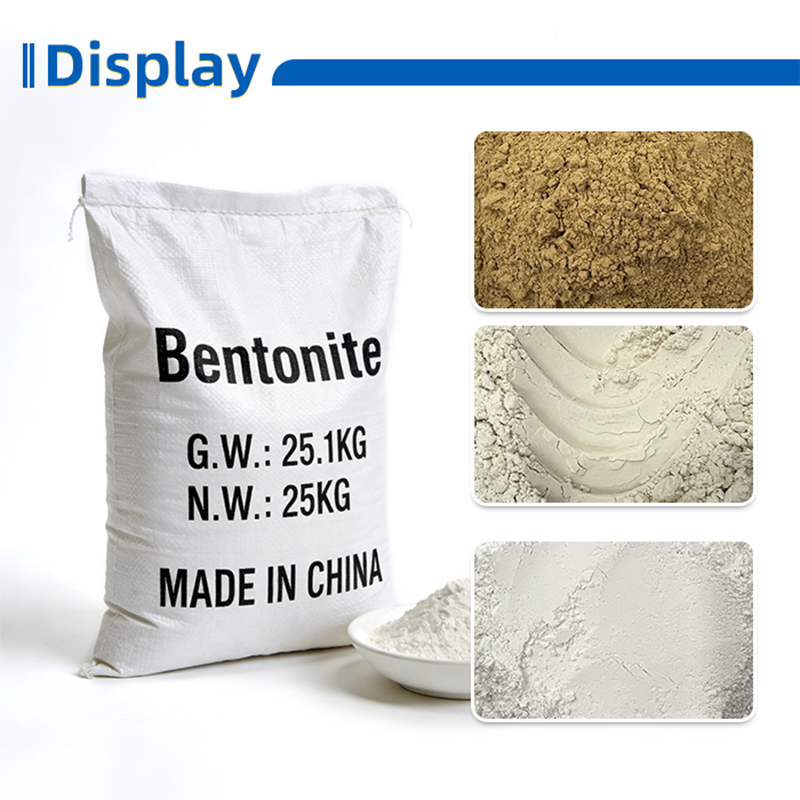
The processing and quality control of bentonite powder for foundry use are rigorous, ensuring it meets the strict performance standards required for consistent casting results. Raw bentonite ore is extracted from carefully selected mineral deposits, then crushed, ground into a fine powder, and purified to remove impurities such as gravel, organic matter, and other minerals that could compromise its binding performance. The particle size of bentonite powder is tightly controlled, as finer particles ensure better dispersion in sand mixtures, more uniform coating of sand grains, and stronger mold strength. Purified bentonite powder is then tested for key properties including swelling index, binding capacity, moisture content, and thermal stability, with only batches meeting strict quality specifications approved for foundry use. This stringent quality control ensures that every batch of bentonite powder delivers consistent performance, allowing foundries to maintain stable production processes and minimize casting defects.

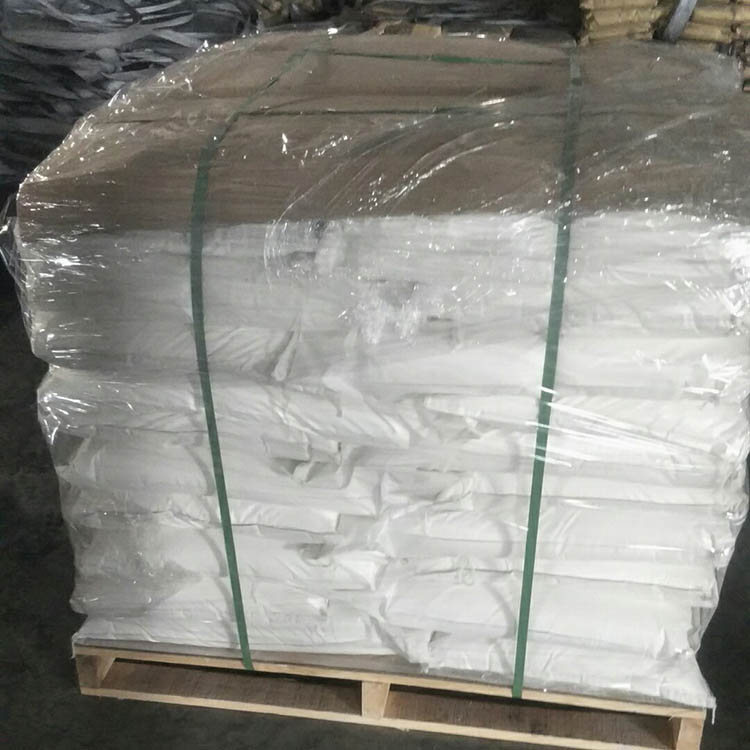
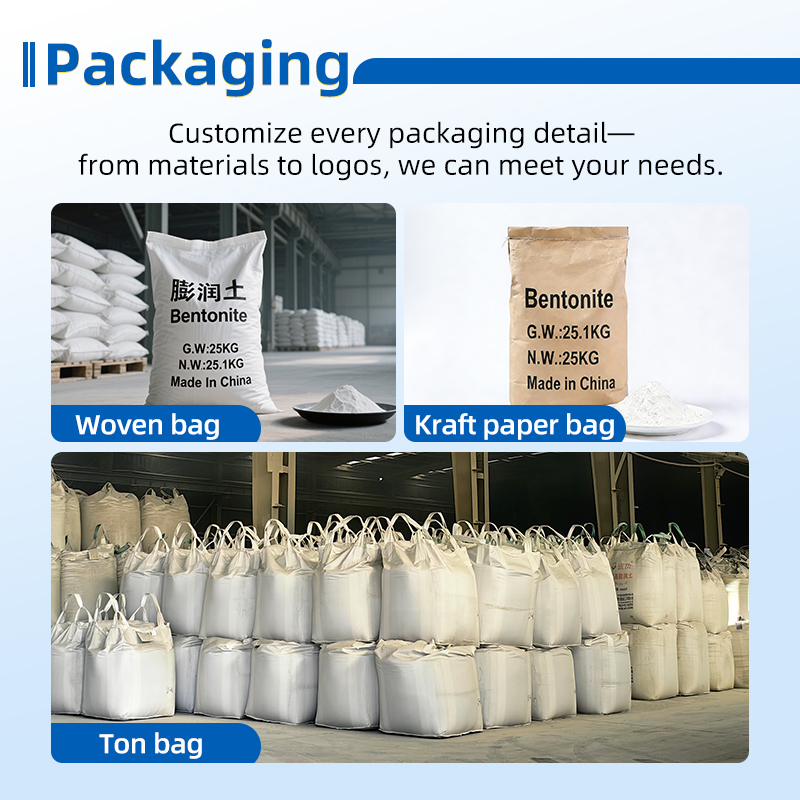
Proper handling and storage of bentonite powder are essential to preserve its performance in foundry applications, as moisture contamination and physical degradation can impair its swelling and binding properties. Bentonite powder should be stored in dry, well-ventilated warehouse facilities, sealed in moisture-proof packaging to prevent exposure to humidity, rain, and water spillage. Excess moisture absorption causes bentonite powder to clump, reducing its dispersibility in sand mixtures and weakening mold strength. During transportation, bentonite powder must be protected from physical damage to packaging, ensuring the powder remains free-flowing and easy to mix. Foundries typically store bentonite powder in controlled conditions close to molding stations, ensuring quick access and maintaining its quality until use. Following proper storage protocols ensures that bentonite powder retains its full functional properties, delivering reliable binding performance every time it is mixed into molding sand.
The mixing process of bentonite powder with silica sand, water, and other additives is a critical step in foundry operations, directly impacting the quality of the green sand mixture and subsequent casting results. Bentonite powder must be mixed uniformly with dry sand first to ensure even distribution, followed by the gradual addition of water to activate the powder’s swelling and binding properties. Over-mixing or under-mixing can lead to inconsistent mold strength, with under-mixed bentonite powder failing to bind sand particles effectively, and over-mixing causing excessive compaction and reduced mold permeability. Modern foundries use automated sand mixing systems to ensure precise control over mixing time, speed, and ingredient ratios, optimizing the performance of bentonite powder and producing consistent green sand batches.
In summary, bentonite powder stands as an indispensable cornerstone of the global foundry industry, serving as the primary binding agent for green sand molding and enabling the efficient, cost-effective production of high-quality metal castings. Its unique combination of strong binding capacity, excellent swelling properties, thermal stability, balanced permeability, and superior collapsibility makes it uniquely suited to meet the rigorous demands of ferrous and non-ferrous metal casting. From small-scale artisanal foundries to large-scale automated manufacturing facilities, bentonite powder plays a vital role in shaping every stage of the casting process, directly influencing casting quality, production efficiency, and operational sustainability.