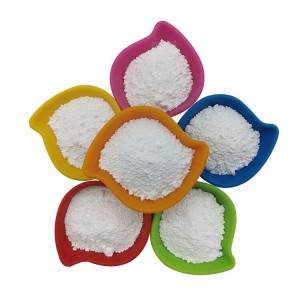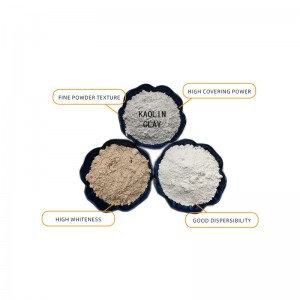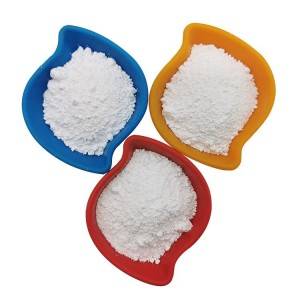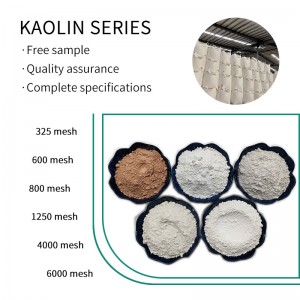


Calcined kaolin clay for ceramics production paper coating plastic filler rubber enhancement and paint formulation supporting industrial manufacturing
Short Description:
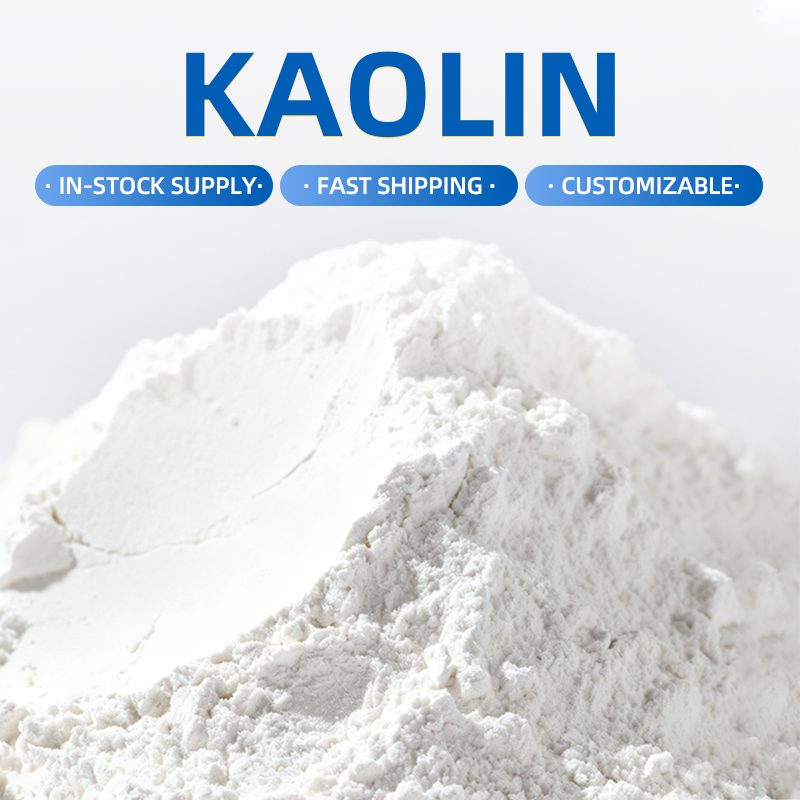
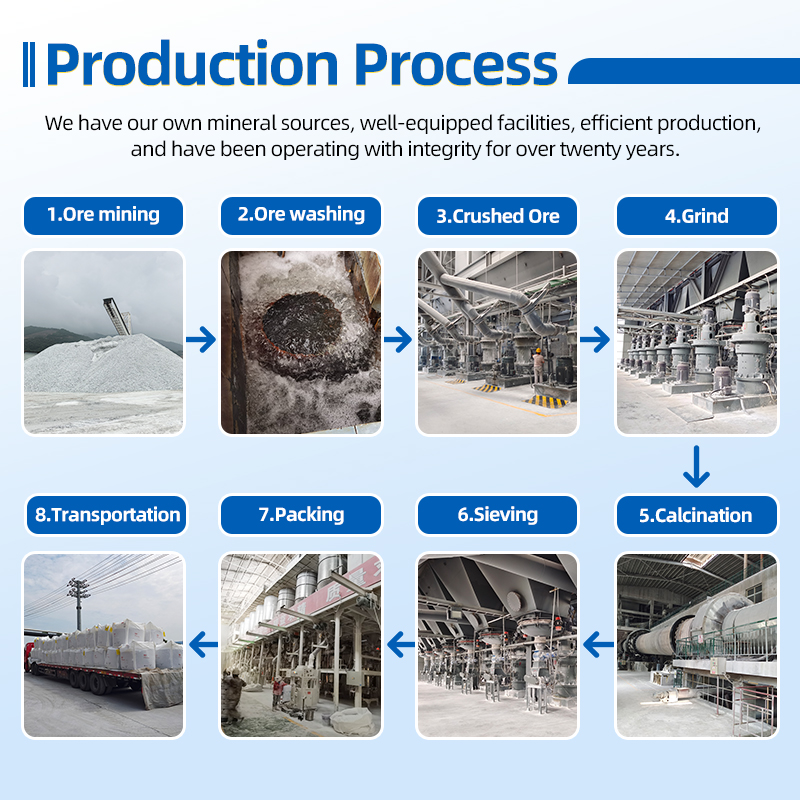
Kaolin powder is a naturally occurring non-metallic mineral powder, primarily composed of kaolinite, formed through long-term weathering, hydrothermal alteration, and metamorphism of aluminosilicate rocks. This mineral powder is widely used across multiple industrial sectors due to its unique combination of physical and chemical properties, making it an indispensable material in modern manufacturing. Processing of kaolin powder involves a series of systematic steps: crushing raw kaolin ore into coarse particles, removing impurities through physical separation methods, grinding to achieve desired fineness, and optional calcination or surface modification to enhance its functional properties.
The industrial value of kaolin powder is rooted in its core properties, including high whiteness, excellent plasticity, chemical inertness, thermal stability, and low oil absorption. Whiteness is one of the most distinctive traits of kaolin powder, making it highly desirable in industries that require bright, uniform, and consistent finishes. Natural kaolin powder possesses inherent whiteness, which can be further enhanced through purification and bleaching processes to meet the strict requirements of high-end applications. Plasticity allows kaolin powder to be easily shaped and molded when mixed with water, maintaining its form during drying and firing, which is critical for processes like ceramics production. Chemical inertness ensures that kaolin powder does not easily react with other substances, making it a safe and reliable additive in various manufacturing processes, even in harsh industrial environments.
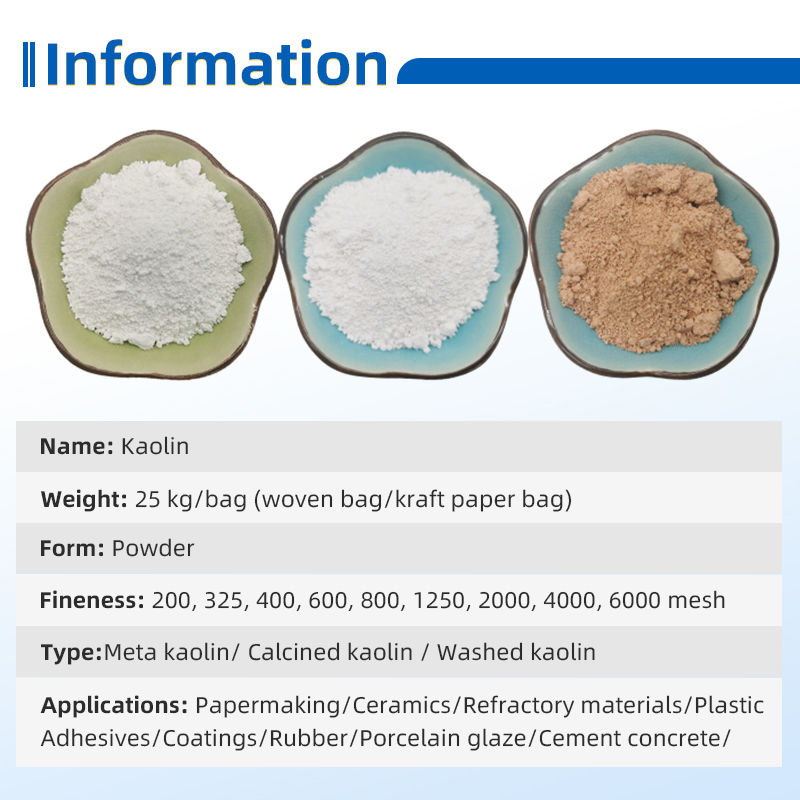
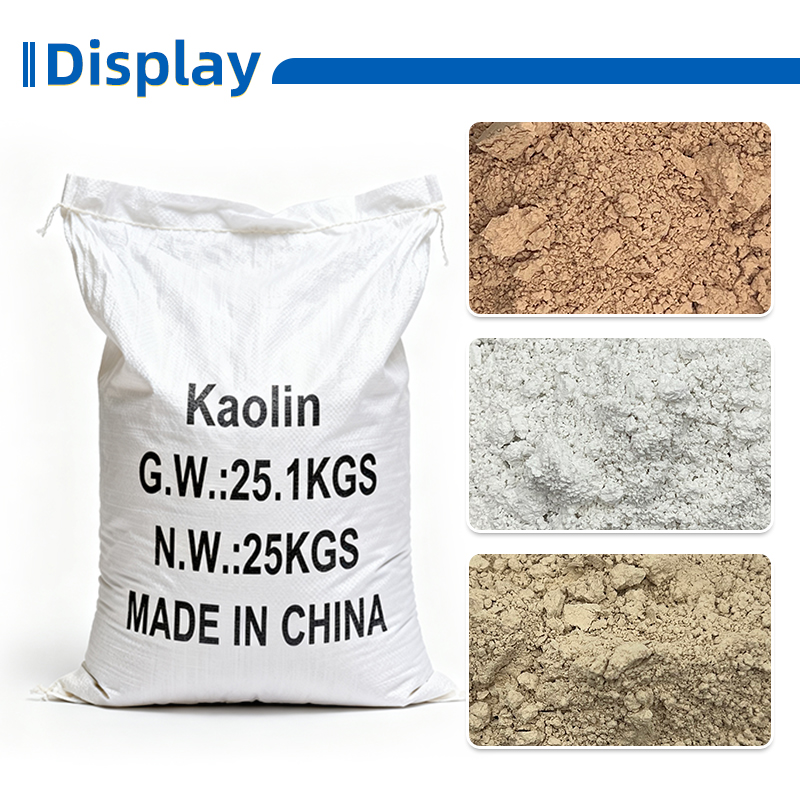
Ceramics production is one of the oldest and most important applications of kaolin powder, serving as a key raw material in both traditional and advanced ceramic manufacturing. Kaolin powder’s plasticity enables ceramic manufacturers to create intricate shapes and designs, from everyday pottery and tableware to high-performance industrial ceramics. When mixed with water, kaolin powder forms a smooth, malleable paste that can be shaped into any form, and during firing, it undergoes chemical changes that enhance the strength, durability, and heat resistance of the final ceramic product. Calcined kaolin powder, which is heated at high temperatures to remove moisture and impurities, further improves the density and strength of ceramics, making it suitable for advanced ceramic components used in industrial equipment and electronic devices. Additionally, kaolin powder helps reduce firing temperature and shorten firing cycles, lowering energy consumption for ceramic manufacturers.
The paper industry is another major consumer of kaolin powder, where it is used both as a filler and a coating material to improve paper quality and performance. As a filler, kaolin powder fills the gaps between paper fibers, enhancing paper opacity, smoothness, and printability. It also improves the tensile strength and stiffness of paper, reducing breakage during printing and handling. As a coating material, kaolin powder creates a smooth, uniform surface on paper, which enhances ink absorption and print clarity, making it ideal for high-quality printing papers, such as magazines, brochures, and packaging materials. Ultrafine kaolin powder is particularly suitable for paper coating due to its fine particle size, which ensures a smooth finish and excellent ink adhesion. Surface-modified kaolin powder further improves compatibility with paper fibers and coating binders, enhancing overall paper quality.
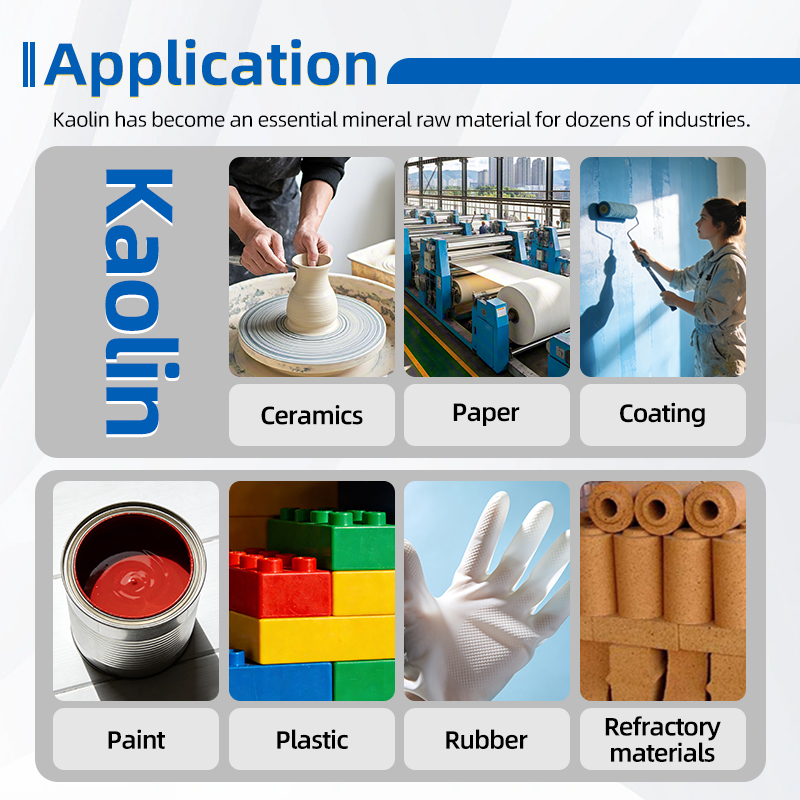
Kaolin powder serves as an effective industrial filler in plastics and rubber manufacturing, where it enhances material performance while reducing production costs. In plastic production, kaolin powder is added to polymer matrices to improve tensile strength, flexural strength, and impact resistance, while also reducing shrinkage and warping during molding. Its chemical inertness ensures compatibility with various plastic resins, preventing unwanted reactions and maintaining material stability. In rubber manufacturing, kaolin powder acts as a reinforcing filler, improving the tensile strength, tear resistance, and abrasion resistance of rubber compounds. It also enhances the heat resistance and aging resistance of rubber products, extending their service life in harsh environments. Common applications include plastic packaging, automotive plastic parts, rubber seals, and industrial hoses, where durability and performance are critical.
In the paint and coating industry, kaolin powder functions as a functional additive and extender, improving coating performance and reducing production costs. It enhances the opacity, viscosity, and leveling properties of paints, ensuring even application and a smooth, uniform finish. Kaolin powder also boosts the scratch resistance and wear resistance of coatings, extending the service life of painted surfaces. Its high whiteness contributes to bright, long-lasting paint colors, reducing the need for excessive amounts of expensive pigments. Calcined kaolin powder, with its improved hardness and chemical stability, is particularly suitable for high-performance coatings used in industrial equipment, architectural surfaces, and automotive applications. Additionally, kaolin powder’s chemical inertness ensures compatibility with other paint ingredients, preventing coating degradation and maintaining quality over time.
Plastic industry widely uses kaolin powder as cost-effective reinforcement to upgrade comprehensive performance of basic plastics. When added to polypropylene and polyethylene (the most commonly used general-purpose plastics), it significantly enhances rigidity of plastic products—making them suitable for manufacturing household appliance casings (refrigerators, washing machines) and construction plastic profiles (door and window frames). It also improves heat resistance of plastics, enabling them to be used in manufacturing electrical component housings (which generate heat during operation) without deformation. Additionally, kaolin powder boosts dimensional stability of plastics, preventing warping or shrinking after molding—critical for precision plastic parts. Surface-modified kaolin powder can disperse evenly in polymer matrices, forming strong interfacial bonds that increase impact resistance while maintaining surface smoothness—essential for appearance-sensitive products (such as plastic decorative parts). Importantly, it is fully compatible with existing extrusion and injection molding processes, allowing manufacturers to use existing equipment without additional modifications or production costs.

Other industrial applications of kaolin powder include its use in adhesives, sealants, and composite materials. In adhesives and sealants, kaolin powder improves bonding strength, viscosity, and thixotropy, ensuring better application properties and long-term stability. It also enhances the heat resistance and chemical resistance of adhesives, making them suitable for harsh industrial environments. In composite materials, kaolin powder is added to enhance thermal stability, mechanical strength, and dimensional stability, making composites suitable for a wide range of applications, from construction materials to electronic components. Surface-modified kaolin powder, treated with coupling agents, further improves compatibility with composite matrices, optimizing overall performance.

The versatility and cost-effectiveness of kaolin powder drive sustained demand across industrial sectors. Its ability to enhance product performance, reduce production costs, and adapt to diverse applications makes it an indispensable material in ceramics, paper, plastics, rubber, paints, and composites. Unlike restricted sectors, kaolin powder’s industrial applications focus on improving manufacturing efficiency and product quality, aligning with modern industrial development trends. With ongoing advancements in processing technology and product customization, kaolin powder is poised to play an even more important role in industrial innovation, supporting the development of high-performance, durable products for years to come.
Product Description
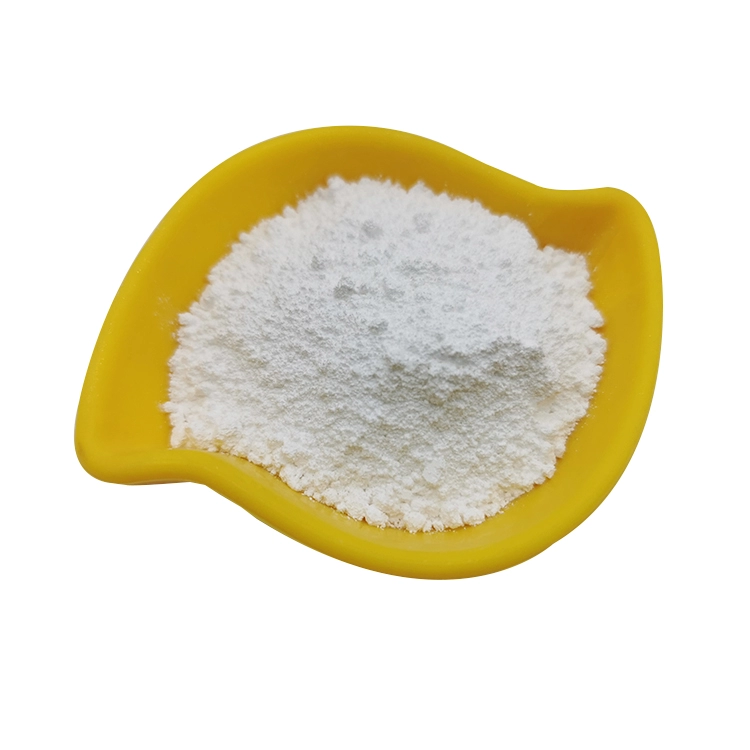
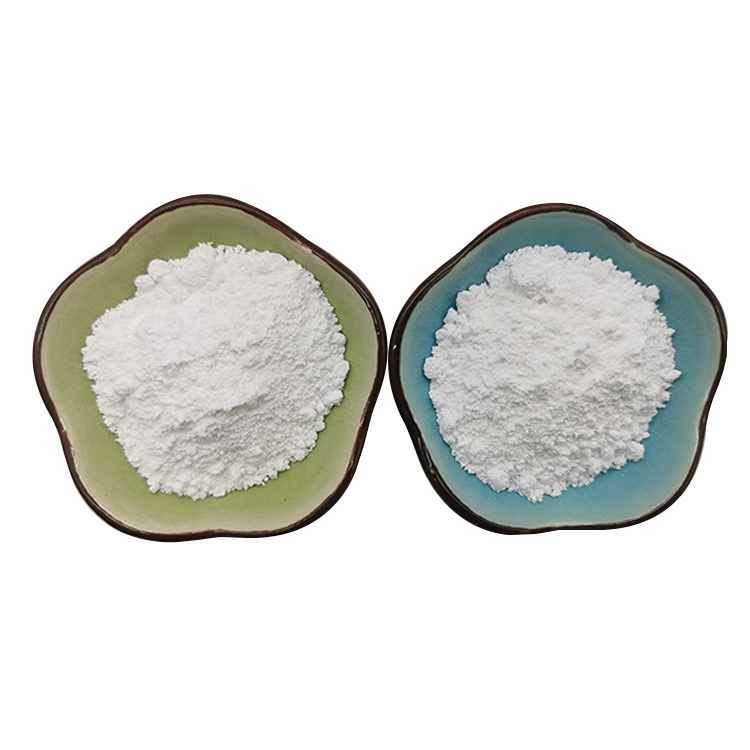
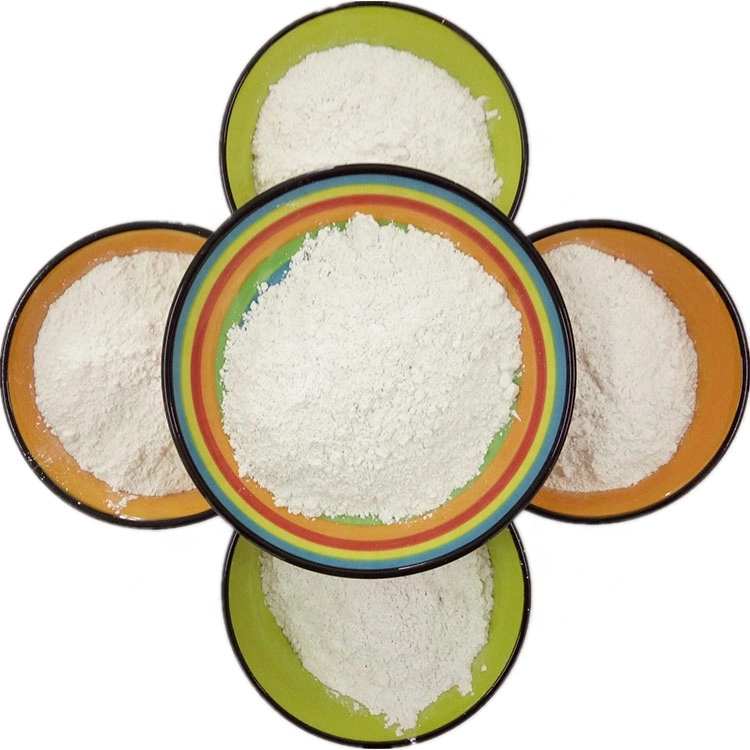
We have calcined kaolin, washed kaolin, metakaolin.
Calcined kaolin, also known as porcelain clay, It has high whiteness, high fineness, good plasticity, and has strong corrosion
resistance and good durability. It is an excellent raw material for making ceramics and rubber.
Calcined kaolin, also known as porcelain clay, It has high whiteness, high fineness, good plasticity, and has strong corrosion
resistance and good durability. It is an excellent raw material for making ceramics and rubber.
Details Images
Our advantage:
We are the directly factory, we can fast delivery, and we can supply any size of the tourmaline with high quality.
We are the directly factory, we can fast delivery, and we can supply any size of the tourmaline with high quality.
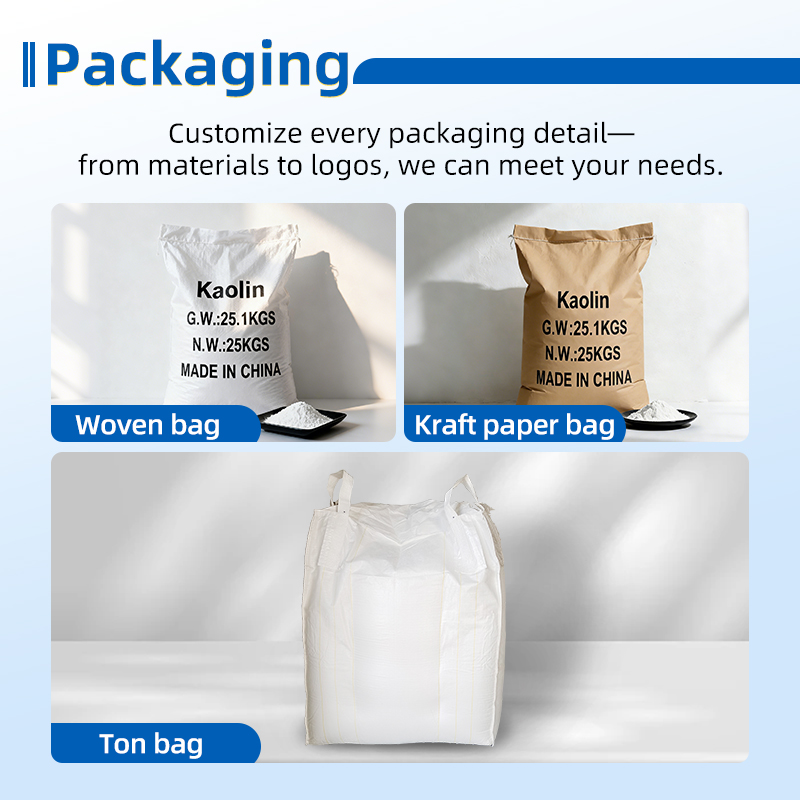
Also as a manufacturer, we can meet any of your customized requirements, such as special package, your own logo, natural ingredients, new mica color match, MSDS & TDS are available etc.
|
Categories
|
Industrial Grade
|
Steel
Grade |
Ceramic Grade
|
Fluorescence grade
|
Optical
Grade |
High
Purity |
|
|
Content not less than (%)
|
93.0
|
96.0
|
98.0
|
99.0
|
99.8
|
99.99
|
|
|
Impurity content not more than
(%) |
Na
|
0.05
|
0.01
|
0.002
|
|||
|
K
|
0.05
|
0.01
|
0.002
|
||||
|
Ca
|
|||||||
|
Mg
|
0.5
|
0.1
|
0.05
|
0.05
|
0.02
|
||
|
Si
|
1%
|
0.5
|
0.1
|
0.05
|
0.01
|
0.002
|
|
|
SO4
|
0.5
|
0.1
|
0.05
|
0.03
|
0.01
|
0.005
|
|
|
Fe
|
0.1
|
0.05
|
0.05
|
0.001
|
0.0005
|
0.0001
|
|
|
Cl
|
0.1
|
0.1
|
0.05
|
0.05
|
0.01
|
0.001
|
|
|
Al
|
0.1
|
0.1
|
0.05
|
0.02
|
0.002
|
0.001
|
|
|
Cu
|
0.05
|
0.02
|
0.002
|
0.001
|
0.0005
|
0.0002
|
|
|
Heavy metals (Pb)
|
0.05
|
0.02
|
0.002
|
0.001
|
0.0005
|
0.0002
|
|
Use of Iron Oxide Pigments
1. In building materials industry, it is mainly used for color cement, color cement floor tiles, color cement tiles, imitation glazed tiles, concrete floor tiles, color mortar, color asphalt, terrazzo, mosaic tiles, artificial marble and wall painting.
2. It can be used for colouring and protecting substances of various coatings, including water-borne interior and exterior wall coatings, powder coatings, etc. It can also be used for various primers and topcoats such as epoxy, alkyd, amino, etc. in oily paints, as well as for toy paints, decorative paints, furniture paints, electrophoretic paints and enamels. Iron red primer has anti-rust function, can replace high-priced red red paint, save non-ferrous metals.
The manufacturer supplies iron oxide red, iron oxide green, iron oxide blue, iron oxide yellow, iron oxide violet, iron oxide brown, iron oxide black and so on. The color is complete, the quantity is large and the discount is favorable. Support mixed batches. Welcome to call for consultation.
1. In building materials industry, it is mainly used for color cement, color cement floor tiles, color cement tiles, imitation glazed tiles, concrete floor tiles, color mortar, color asphalt, terrazzo, mosaic tiles, artificial marble and wall painting.
2. It can be used for colouring and protecting substances of various coatings, including water-borne interior and exterior wall coatings, powder coatings, etc. It can also be used for various primers and topcoats such as epoxy, alkyd, amino, etc. in oily paints, as well as for toy paints, decorative paints, furniture paints, electrophoretic paints and enamels. Iron red primer has anti-rust function, can replace high-priced red red paint, save non-ferrous metals.
The manufacturer supplies iron oxide red, iron oxide green, iron oxide blue, iron oxide yellow, iron oxide violet, iron oxide brown, iron oxide black and so on. The color is complete, the quantity is large and the discount is favorable. Support mixed batches. Welcome to call for consultation.
In addition, graphite is also a polishing agent and antirust agent for glass and paper in light industry, and an indispensable raw material for making pencils, ink, black paint, inks, artificial diamonds and diamonds. It is a good energy-saving and environmental protection material, which has been used as a car battery in the United States. With the development of modern science and technology and industry, the application field of graphite is still expanding. It has become an important raw material of new composite materials in the high-tech field and plays an important role in the national economy.
Write your message here and send it to us