-

Diatomaceous earth powder filtration coatings adsorbents construction materials rubber plastics paper manufacturing ceramics water treatment paints asphalt roofing insulation sectors
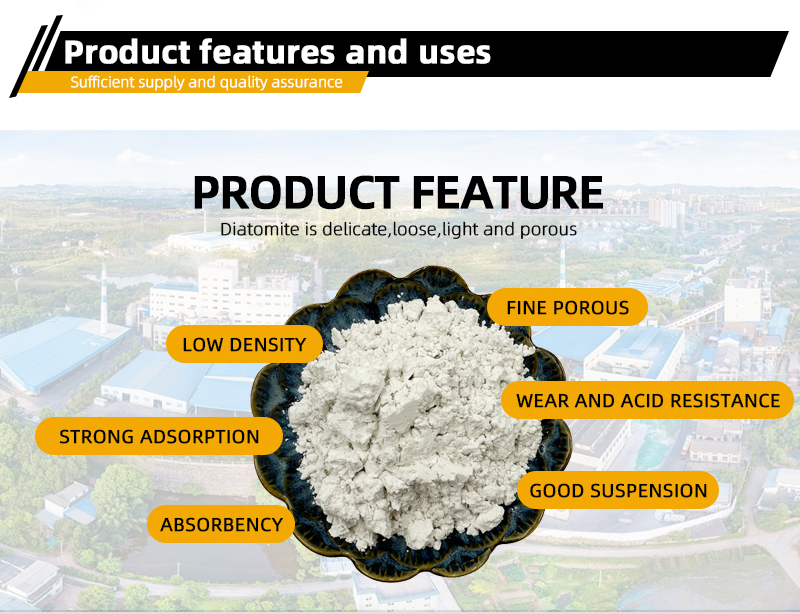
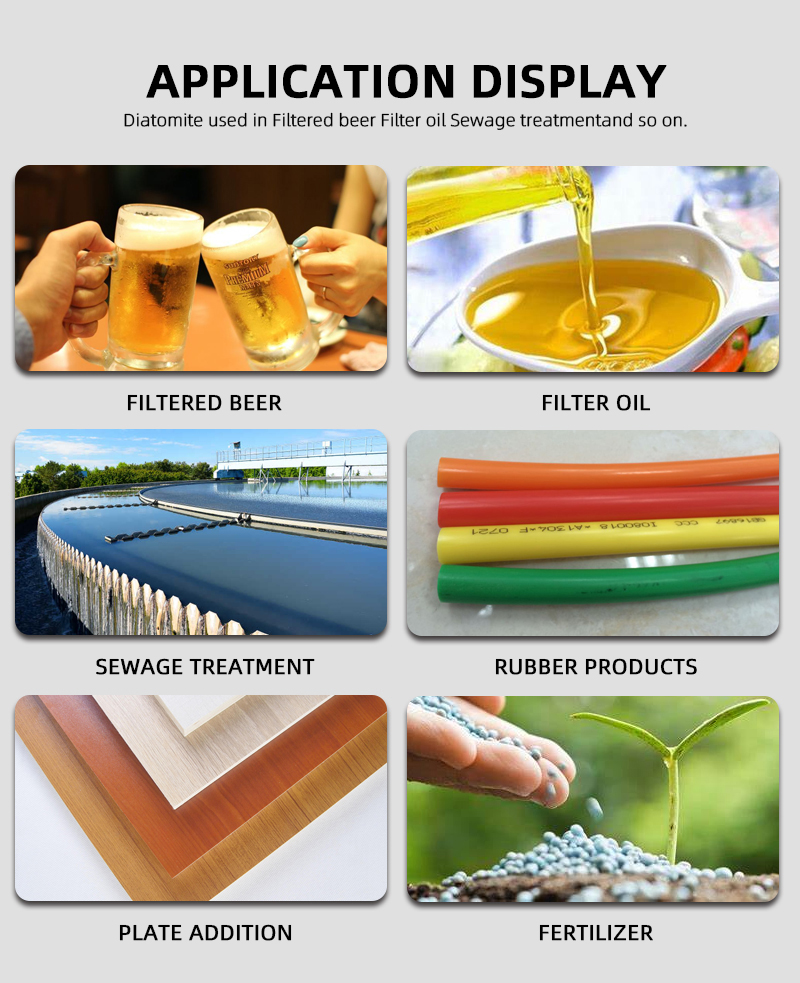
Diatomaceous Earth Powder originates from fossilized remains of tiny aquatic organisms known as diatoms. These microscopic organisms, after dying, sink to the bottom of water bodies and accumulate over millions of years, forming sedimentary deposits. These fossil deposits then undergo a series of careful processing steps—including mining, crushing, drying, and grading—to be transformed into fine, uniform powder with a range of unique traits. Among these traits, the most prominent one is its highly porous structure, which is formed by the intricate silica shells of the ancient diatoms. This porous structure results in an exceptionally large surface area relative to its volume, a feature that sets it apart from many other industrial powders. This special structure endows the powder with strong adsorption ability, efficient filtration performance, and stable chemical properties that resist reactions with most common industrial substances. Such a combination of traits makes it an essential material across numerous industrial sectors, as it can seamlessly fit into different production workflows without requiring complex adjustments or specialized equipment to utilize.In the filtration sector, diatomaceous earth powder plays an irreplaceable role due to its unique porous makeup. Its microscopic pores act like a natural, highly efficient sieve, capable of trapping tiny suspended particles—some as small as a few micrometers—that ordinary filter media, such as cloth or paper filters, might easily miss. A key application here is in water treatment processes: whether dealing with industrial wastewater from manufacturing plants or raw water sources used in production, adding diatomaceous earth powder to the water causes it to bind with impurities like fine sediment, organic residues, and even small chemical contaminants. As the mixture settles or passes through a filter, the powder traps these impurities, leaving behind clarified water that meets strict industrial use standards. Many factories, from textile mills to chemical plants, rely on this powder for treating their process water, ensuring that the water used in production lines is free from particles that could clog machinery, scratch product surfaces, or interfere with chemical reactions in manufacturing. Beyond water, it also excels in filtering industrial liquids like lubricating oils, hydraulic fluids, and chemical solutions. By removing tiny solid contaminants from these liquids, it not only improves the purity of the final products but also extends the lifespan of the equipment that uses these fluids.The coatings sector benefits greatly from the unique properties of diatomaceous earth powder, making it a popular additive in both industrial and decorative paints. When mixed into paint formulations, its porous nature enhances several key performance metrics: it boosts the hiding power of the coating, meaning fewer coats are needed to achieve full coverage over surfaces. It also improves wear resistance, making painted surfaces more durable against scratches, abrasion, and daily use—an important feature for high-traffic areas or industrial equipment coatings. Additionally, the powder adjusts the bonding force between the coating and the base surface, whether that surface is metal, wood, or concrete, reducing the chances of peeling, cracking, or flaking over time. The porous structure further speeds up the drying time of the coatings by allowing moisture and solvents to evaporate more quickly, which shortens production cycles for manufacturers who apply coatings to large batches of products. For decorative coatings, such as those used in interior design, the powder creates a desirable matte finish by scattering light through its porous structure, avoiding the harsh glare of glossy paints and meeting diverse aesthetic needs. Moreover, paint products infused with diatomaceous earth powder show better resistance to weathering, including UV radiation, rain, and temperature fluctuations, helping exterior painted surfaces maintain their appearance and protective performance for years in outdoor environments. As an adsorbent, diatomaceous earth powder excels in capturing a wide range of impurities, odors, and unwanted substances, making it valuable in various industrial settings. One key application is in waste gas treatment: factories that emit volatile organic compounds, fumes, or other harmful gases pass these emissions through filters filled with diatomaceous earth powder, which traps the harmful substances within its pores before the cleaned gas is released. This helps facilities meet emission standards and improve air quality in their surroundings. The powder also serves as an effective moisture absorber in storage facilities: when placed alongside materials like textiles, paper, or metal parts, it absorbs excess moisture from the air, preventing mold growth, mildew, and corrosion that can degrade products. In oil processing plants, it is used to adsorb excess oil from the surfaces of parts, machinery, or finished products, ensuring cleanliness and preventing oil-related contamination. What makes it particularly reliable is that its adsorption ability remains stable under a wide range of temperature and humidity conditions—from the high heat of industrial ovens to the dampness of storage warehouses—making it a consistent choice for long-term use without losing effectiveness. Unlike some synthetic adsorbents, it also retains its structure even when fully saturated, making it easy to handle and dispose of or regenerate for repeated use in some cases.The construction materials sector values diatomaceous earth powder primarily for its excellent thermal insulation and soundproofing capabilities, as well as its ability to enhance durability. When mixed into wall materials like plaster, drywall, or specialized insulation boards, its porous structure acts as a barrier to heat conduction: in winter, it traps warm air inside buildings, reducing heat loss; in summer, it blocks hot air from entering, helping maintain stable indoor temperatures without over-reliance on heating or cooling systems. Beyond insulation, the powder also absorbs sound waves by dissipating their energy within its pores, lowering noise transmission between rooms or from outdoor environments—making it ideal for use in residential buildings, offices, and industrial workshops where noise control is important. In asphalt road construction, adding diatomaceous earth powder to the asphalt mixture brings multiple benefits: it improves the overall durability of the road surface, enhances wear resistance against heavy traffic, and boosts skid resistance, which is crucial for safety in wet or icy conditions. It also reduces common road issues like oil bleeding (where asphalt binder rises to the surface) and rutting (deep grooves caused by repeated vehicle pressure), extending the service life of roads by several years and significantly cutting down on costly maintenance and repaving work. For roofing materials, such as asphalt shingles or waterproof membranes, the powder adds an extra layer of waterproof performance by filling tiny gaps in the material and creating a dense, water-resistant barrier, protecting buildings from leaks, water damage, and rot in roof structures.The rubber and plastics sectors widely use diatomaceous earth powder as a cost-effective filler and performance reinforcer, as it improves product quality without adding excessive weight or cost. In rubber production—for items like tires, seals, hoses, and gaskets—the powder increases the hardness and toughness of the rubber while enhancing its wear resistance, a critical factor for products that endure constant friction or pressure. Its small particle size (often measured in micrometers) and large surface area allow it to bond tightly with the rubber matrix, enhancing adhesion between the powder and rubber and boosting the material’s tensile strength, which prevents tearing or stretching under stress. It also acts as an anti-settling agent during the mixing process, ensuring that other additives (like colorants or antioxidants) remain evenly distributed throughout the rubber, avoiding inconsistencies in performance or appearance. For plastics—used in products ranging from pipes and fittings to packaging materials and automotive components—the powder improves impact resistance, making plastic less likely to crack when dropped or hit. It also enhances tear resistance and aging resistance, protecting plastic products from becoming brittle over time due to exposure to sunlight or temperature changes. Plastic pipes infused with diatomaceous earth powder, for example, show better resistance to pressure and chemical corrosion, while packaging materials become more durable and less prone to tearing during shipping and handling.The paper manufacturing and ceramics sectors also rely heavily on diatomaceous earth powder for its ability to improve product performance and streamline production processes. In paper manufacturing—for products like printing paper, packaging paper, and specialty papers (such as those used in filters or medical packaging, excluding medical applications themselves)—the powder acts as a coating or filler that enhances key properties. It improves the opacity of the paper, ensuring that ink does not bleed through from one side to the other, and boosts smoothness, which results in sharper, clearer print quality for books, magazines, and marketing materials. It also reduces paper shrinkage caused by changes in humidity, a common issue that can warp paper or cause printed materials to curl, ensuring dimensional stability even in damp or dry environments. For packaging paper, the powder adds a layer of stiffness and tear resistance, making boxes and bags more durable for shipping heavy items. In ceramics manufacturing—for products like floor tiles, wall tiles, industrial ceramics (such as those used in kiln linings or high-temperature containers), and decorative ceramics—the powder plays a key role in reducing production costs and improving performance. It lowers the sintering temperature required to harden ceramic materials, which saves energy and reduces wear on kilns. It also improves the porosity of ceramic products, making them lighter without sacrificing strength, and enhances their thermal stability, allowing them to withstand extreme temperatures without cracking or breaking. Industrial ceramics made with diatomaceous earth powder, for example, maintain their structural integrity in high-heat environments like furnaces or foundries, while floor tiles become more resistant to scratches and stains due to the powder’s reinforcing effect.In summary, diatomaceous earth powder stands out as an exceptionally versatile industrial material whose value stems from its natural porous structure and stable, multi-functional properties. These characteristics enable it to serve a wide range of critical roles across key sectors: from purifying liquids in filtration and treating emissions in adsorption to enhancing durability in coatings, construction materials, rubber, plastics, paper, and ceramics. In every application, it delivers tangible benefits: it enhances product performance by boosting strength, resistance, and consistency; shortens production cycles by speeding up processes like drying or sintering; reduces costs by acting as a cost-effective filler or reducing maintenance needs; and improves reliability by maintaining its properties under diverse industrial conditions. For manufacturers across these sectors, whether they produce small components or large-scale infrastructure materials, diatomaceous earth powder provides practical, easy-to-implement solutions that meet diverse production needs—no specialized training or equipment is required to integrate it into existing workflows. Incorporating it into production processes helps optimize operations by reducing waste, improving efficiency, and delivering products that meet higher quality standards, which in turn helps businesses stand out in competitive markets. Its wide range of applications, consistent performance, and natural origins make it a valuable, long-term asset in industrial production, with uses that continue to expand as manufacturers discover new ways to leverage its unique traits.
 -

Diatomite for sustainable development architectural decoration air purification water treatment eco friendly production porous structure adsorption capacity industrial applications interior finishes
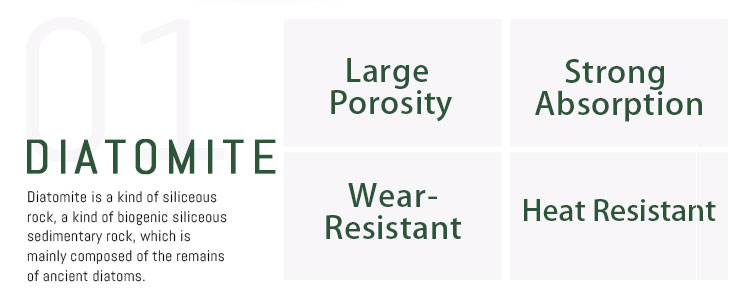
Diatomite emerges as a unique eco-friendly material that links sustainable development and circular economy, adapting flexibly to diverse demands of architectural decoration, air purification, and water treatment. Unlike synthetic materials relying on high-energy production or releasing harmful substances, diatomite originates from fossilized aquatic organisms, carrying inherent porous structure and adsorption capacity. These traits elevate it beyond common industrial materials, making it a core component in interior finishes, industrial filtration, and environmental governance. As societies prioritize eco-conscious living, diatomite transcends single-function roles to become a multi-purpose solution blending nature, functionality, and environmental protection.Resource foundation of Diatomite combines natural abundance and ecological compatibility. Diatomite forms from accumulated fossilized diatoms—microscopic aquatic organisms—over millions of years, with deposits categorized by origin: marine sedimentary diatomite has finer porous structure and stronger adsorption capacity, ideal for air purification and water treatment; freshwater sedimentary diatomite features larger pores and better breathability, suitable for architectural decoration. Extraction of diatomite follows strict eco-friendly protocols: surface mining avoids deep geological disturbance, and mined areas are restored with native vegetation to recover ecological balance. Diatomite processing also embraces circular economy by reusing waste from initial purification—coarse residues are ground into granular form for industrial filtration, minimizing resource waste.Production processes of Diatomite focus on preserving core properties and reducing environmental impact. Processing relies on physical methods to maintain porous structure and adsorption capacity: dry grinding with low-energy equipment replaces high-temperature treatment, ensuring pore integrity; air classification separates particles by size without chemical additives, matching different application needs. Wet processing for high-purity diatomite uses recycled water in closed-loop systems, avoiding wastewater discharge. Eco friendly production is further enhanced by using solar power for drying and capturing dust emissions via cyclone separators. These processes avoid harmful chemicals, keeping diatomite’s natural eco-friendly traits intact.Core properties of Diatomite make it indispensable across industries. Porous structure—with countless tiny pores per unit volume—enables strong adsorption capacity: it effectively traps volatile organic compounds and dust in air, and absorbs impurities in water. Breathability allows moisture regulation: in interior finishes, it absorbs excess humidity and releases it when air is dry, maintaining comfortable indoor environments. Chemical stability ensures durability: it resists corrosion from common substances, suitable for long-term use in industrial and architectural scenarios. Thermal insulation adds value to building materials: mixed into coatings or wallboards, it reduces heat transfer, lowering energy consumption.Diatomite excels in diverse application scenarios, with its porous structure and adsorption capacity unlocking unique value in each field. Architectural decoration and interior finishes stand out as key application areas that fully leverage its breathability and adsorption capacity: diatomite-based wall coatings, mixed with eco-friendly binders, not only purify indoor air by actively trapping volatile organic compounds, dust particles, and even subtle odors from daily life but also regulate humidity dynamically—absorbing excess moisture during rainy seasons to prevent wall condensation and mold growth, and releasing stored moisture when indoor air turns dry, maintaining a comfortable and healthy living environment. Beyond coatings, decorative panels blended with diatomite offer rich natural textures, ranging from fine sand-like smoothness to granular coarseness, which can be matched with different interior styles such as minimalist, rustic, or natural; these panels also retain diatomite’s breathability, avoiding stuffiness in enclosed spaces. Diatomite is also used in interior putty and floor materials, adding eco-friendly attributes while enhancing surface durability. Water treatment fully taps into diatomite’s strong adsorption capacity and porous filtration performance: in industrial wastewater treatment, granular diatomite filters serve as core filtration layers, effectively removing suspended solids, colloidal particles, heavy metal ions, and organic impurities from wastewater generated by manufacturing, printing, and dyeing industries, reducing pollutant content before water discharge or recycling. In drinking water purification, food-grade diatomite (processed through strict purification) acts as a pre-filtration medium, capturing sediment and micro-impurities without altering water’s natural mineral composition, laying a solid foundation for subsequent deep purification. Compared with synthetic filtration materials, diatomite filters have longer service life and are easier to regenerate, aligning with circular economy principles. Air purification applies diatomite’s adsorption capacity in various scenarios: in home and office environments, diatomite-based air filters—integrated into air purifiers or fresh air systems—capture dust, pollen, and pet dander, while adsorbing formaldehyde and benzene released from furniture and decorations. In public spaces like shopping malls and schools, large-sized diatomite filter modules handle higher air volumes, maintaining consistent air quality. Even in automotive air conditioning systems, diatomite-infused filters effectively trap road dust and exhaust particles, improving in-car air environment. Industrial applications of diatomite extend beyond basic filtration: in oil refining, diatomite serves as a filter aid to remove impurities from crude oil and lubricating oil, enhancing product clarity and stability; in fire-retardant materials, diatomite’s porous structure absorbs fire-retardant agents, forming a synergistic effect that slows down combustion and reduces smoke emission, making it suitable for building insulation boards and industrial fireproof coatings. It also acts as a filler in coatings and rubbers, improving product weather resistance and wear resistance while reducing the use of synthetic fillers. Cultural crafts have embraced diatomite’s unique texture and natural properties: artists mix diatomite with water-based paints to create textured artworks, where diatomite’s granularity adds three-dimensional layers to paintings, and its breathability prevents paint cracking over time. Craftsmen also mold pure diatomite or diatomite-clay mixtures into small decorative items such as vases, candle holders, and wall hangings—these items not only showcase natural earthy hues but also regulate humidity in small spaces like bedrooms or study rooms, blending artistic value with practical functionality.Quality control of Diatomite is tailored to specific applications. For air and water treatment, adsorption capacity tests measure ability to trap pollutants and impurities; pore size distribution is analyzed to ensure matching filtration needs. For architectural materials, breathability tests verify moisture regulation performance; durability tests check resistance to wear and humidity. For industrial filtration, particle size uniformity and chemical stability are key indicators. Recycled diatomite residues undergo strict purification tests to ensure they meet industrial standards. These measures guarantee diatomite’s performance across different scenarios. -

Diatomite powder leads global green industry innovation with outstanding performance and wide-ranging usability
Diatomite powder, a naturally occurring mineral product with widespread industrial value, originates from fossilized remains of diatoms—microscopic algae that thrive in freshwater and saltwater environments worldwide. These tiny organisms, with silica-based cell walls, multiply rapidly in nutrient-rich waters, and upon death, their cell walls sink to bottom of water bodies, forming thick sediment layers. Over millions of years, these sediments undergo gradual compaction and mineralization under pressure of overlying geological layers, transforming into diatomite ore. Through crushing, grinding, and purification processes, this ore is converted into fine diatomite powder with consistent particle size. What makes diatomite powder stand out is its unique porous structure—each particle contains countless tiny, interconnected pores that form intricate network. This structure gives diatomite powder exceptional surface area, allowing it to exhibit remarkable adsorption, filtration, and insulation properties. Such inherent characteristics make diatomite powder a valuable material across diverse industries, from construction to environmental protection, and from industrial manufacturing to emerging technology sectors.In construction sector, diatomite powder plays irreplaceable and crucial role, becoming integral component in eco-friendly building materials. When incorporated into wall coatings and plasters, diatomite powder interacts seamlessly with other ingredients to enhance thermal insulation and sound absorption capabilities of products. For instance, in residential and commercial buildings, wall coatings infused with diatomite powder create barrier that slows heat transfer between indoor and outdoor spaces, keeping interiors cooler in summer and warmer in winter. This thermal insulation effect reduces need for constant operation of heating and cooling systems, contributing significantly to energy conservation. In terms of sound absorption, porous structure of diatomite powder traps sound waves as they hit wall surfaces, reducing echo and noise transmission between rooms or from outside environment—making it ideal for use in schools, hospitals, and office buildings where quiet environments are essential. Another key advantage of diatomite powder in construction is its humidity regulation ability. In wall coatings and plasters, it acts as natural moisture regulator: when indoor air is overly humid, diatomite powder absorbs excess moisture into its pores; when air becomes dry, it releases stored moisture back into environment. This cycle maintains stable indoor humidity levels, preventing mold growth on walls and creating more comfortable living and working spaces. Additionally, inherent fire-resistant nature of diatomite powder makes it preferred additive in fireproof coatings and panels. When exposed to high temperatures, diatomite powder releases negligible toxic fumes and maintains structural stability, forming protective layer that slows spread of flames. This property is widely utilized in high-rise buildings, industrial workshops, and public venues, greatly improving overall safety of buildings. Many construction material manufacturers now prioritize diatomite powder in product formulations, as it aligns with growing demand for green, energy-efficient, and safe building solutions.Environmental protection industry also reaps significant benefits from unique properties of diatomite powder, emerging as sustainable solution for water and air purification challenges. Exceptional adsorption capacity of diatomite powder stems from its porous structure, which acts like sponge to effectively trap impurities, heavy metals, and harmful substances in water and air. In water treatment, diatomite powder is widely used in filtration systems for both drinking water and wastewater purification. For drinking water treatment plants, diatomite powder is added to filtration tanks where it adheres to suspended particles, organic matter, and trace heavy metals, forming filter cake that removes these contaminants. This process ensures water meets strict safety standards, delivering clean drinking water to communities. In wastewater treatment, especially from industrial facilities and municipal sewage systems, diatomite powder targets specific pollutants such as oil residues, chemical solvents, and heavy metal ions. It not only removes visible impurities but also reduces concentration of harmful substances, making treated water suitable for reuse in irrigation or industrial processes, thus promoting water recycling. In air purification, diatomite powder serves as key component in filters and adsorbents used in homes, offices, and industrial settings. Air purifiers equipped with diatomite-based filters draw in polluted air, and porous structure of diatomite powder captures dust particles, pollen, and volatile organic compounds. Unlike some synthetic adsorbents, diatomite powder can also decompose certain volatile organic compounds through natural oxidation processes, rather than just trapping them, providing long-lasting air purification effects. It is also used in industrial air filtration systems, such as those in factories and power plants, to remove smoke, dust, and harmful gases, reducing emissions into atmosphere. Moreover, diatomite powder is biodegradable and non-toxic, so spent filters containing diatomite powder do not pose secondary environmental pollution risks. This combination of effectiveness and eco-friendliness makes diatomite powder sustainable choice for eco-friendly environmental protection solutions, gaining increasing recognition from environmental agencies and industries worldwide.In industrial realm, diatomite powder finds extensive and diverse use, particularly in filtration processes and manufacturing of specialized products. As filter aid, diatomite powder is indispensable in production of beverages, oils, and chemicals, where clarity and purity of final products are critical. In beverage industry, for example, during beer and wine production, diatomite powder is added to filtration systems to remove yeast cells, sediment, and other suspended particles. Its porous structure forms stable filter bed that traps impurities while allowing liquid to pass through smoothly, resulting in clear, transparent beverages with improved taste and shelf life. Similarly, in edible oil refining, diatomite powder filters out residual solids, pigments, and off-flavor compounds, enhancing quality of cooking oils and ensuring they meet food safety standards. In chemical industry, it is used to filter solutions during production of paints, inks, and pharmaceuticals, removing undissolved particles and ensuring consistency of final products. Beyond filtration, diatomite powder plays vital role in manufacturing of ceramics and refractories. When added to ceramic raw materials, it acts as reinforcing agent that improves mechanical strength and durability of finished products. It also reduces shrinkage during firing process, preventing cracking and ensuring uniform shape of ceramic items such as tiles, pottery, and industrial ceramics. In refractories—materials used in high-temperature environments—diatomite powder’s high-temperature resistance and thermal stability make it ideal component. Refractory bricks and linings containing diatomite powder maintain structural integrity under extreme heat, making them suitable for use in industrial furnaces, kilns, and incinerators. These refractories not only withstand high temperatures but also provide thermal insulation, reducing heat loss and improving energy efficiency of industrial processes. Additionally, diatomite powder is used in production of cat litter, where its high absorption capacity traps moisture and odors effectively. It is also employed in paper industry as filler and coating agent, improving opacity and printability of paper. Such wide-ranging industrial applications highlight versatility of diatomite powder and its ability to enhance performance and efficiency of various manufacturing processes.Beyond construction, environmental protection, and industrial sectors, diatomite powder is making significant inroads into agriculture industry—focusing on soil amendment and pest control, while strictly avoiding direct involvement in planting aspects. In soil amendment, diatomite powder addresses common soil issues by improving overall structure and fertility. When added to compacted or clay-heavy soils, porous structure of diatomite powder creates air pockets that enhance aeration, allowing plant roots to access oxygen more easily. This improved aeration also prevents waterlogging, reducing risk of root rot. At same time, diatomite powder’s water retention capacity helps sandy soils hold moisture and nutrients longer, ensuring plants receive consistent hydration and nourishment. It also acts as carrier for beneficial microorganisms and nutrients: when mixed with organic fertilizers, diatomite powder slowly releases nutrients into soil, extending fertilizer effectiveness and reducing nutrient leaching. Farmers and gardeners often use diatomite powder in organic farming and horticulture, as it helps build healthy soil ecosystem without introducing synthetic chemicals. In pest control, diatomite powder serves as effective natural alternative to chemical pesticides. Its abrasive properties, derived from sharp edges of its porous particles, damage exoskeletons of harmful insects such as aphids, beetles, and mites. When insects come into contact with diatomite powder, it absorbs waxy layer on their exoskeletons, leading to dehydration and death. Unlike chemical pesticides, diatomite powder is non-toxic to humans, pets, and beneficial insects such as bees and ladybugs, making it safe for use in organic farms, greenhouses, and home gardens. It can be applied directly to soil surface, around plant bases, or mixed with feed to control pests in livestock facilities. Many organic farming certifications recognize diatomite powder as approved pest control and soil amendment product, further boosting its adoption in agriculture industry. Its dual role in improving soil health and controlling pests makes diatomite powder valuable tool for promoting sustainable and organic farming practices.Global market for diatomite powder is experiencing steady and robust growth, driven by increasing global awareness of sustainability and rising demand for eco-friendly materials across industries. This growth is not uniform across regions—developed markets in Europe and North America lead in adoption due to strict environmental regulations and mature green building sectors, while emerging markets in Asia and Latin America are witnessing accelerated growth as industries there shift toward sustainable practices. Industries worldwide are increasingly recognizing unique properties and versatility of diatomite powder, investing heavily in research and development to explore new applications and expand its use cases. Manufacturers are continuously innovating, developing new products that leverage specific properties of diatomite powder to meet evolving market demands. For example, in automotive industry, researchers and engineers are testing diatomite powder as component in soundproofing materials for vehicle interiors. By incorporating diatomite powder into door panels and floor mats, manufacturers aim to reduce road and engine noise inside cars, improving passenger comfort. Additionally, diatomite powder is being explored as key ingredient in air filtration systems for vehicles, targeting pollutants such as particulate matter and volatile organic compounds from engine emissions and external environment, thus enhancing air quality inside cars. In packaging industry, companies are developing biodegradable packaging materials infused with diatomite powder, which offer improved moisture resistance and shelf life for food and pharmaceutical products while being environmentally friendly. Another emerging application is in cosmetics industry, where diatomite powder is used as natural exfoliant in facial scrubs and masks, thanks to its gentle abrasive properties and ability to absorb excess oils. Market players are also focusing on expanding distribution networks and forming strategic partnerships to tap into new regions. Major diatomite powder producers are collaborating with local distributors and end-use industries to customize products according to regional needs—for instance, developing high-adsorption diatomite powder for water-scarce regions and heat-resistant variants for industries in high-temperature manufacturing hubs. This focus on innovation and regional customization is fueling further growth of diatomite powder market globally.Moreover, global push for green building certifications and stringent environmental regulations is further boosting demand for diatomite powder, creating favorable market conditions for its growth. Green building certifications, designed to promote sustainable construction practices, prioritize materials that are energy-efficient, eco-friendly, and non-toxic—criteria that diatomite powder meets perfectly. Buildings incorporating diatomite-based materials are more likely to meet rigorous standards of certifications such as LEED, BREEAM, and Green Star, due to energy-saving benefits of diatomite powder’s thermal insulation, improved indoor air quality from its humidity regulation and adsorption properties, and use of natural, non-toxic raw materials. For example, commercial buildings using diatomite-infused wall coatings and insulation materials often score higher in energy efficiency and indoor environmental quality categories of certification assessments. This not only enhances market value of buildings but also helps developers meet corporate social responsibility goals. Environmental regulations across countries are also driving adoption of diatomite powder. Governments worldwide are imposing stricter limits on industrial emissions, wastewater discharge, and use of synthetic chemicals, forcing industries to seek eco-friendly alternatives. In water treatment sector, regulations requiring higher water purity standards have led wastewater treatment plants and drinking water facilities to adopt more effective filtration solutions, with diatomite powder emerging as preferred choice. In construction sector, bans or restrictions on use of certain synthetic insulation materials due to their environmental impact have opened doors for diatomite-based alternatives. Construction companies and developers, eager to comply with these regulations and gain competitive edge in market, are increasingly adopting diatomite-based materials. This trend creates positive feedback loop for diatomite powder industry: as more projects use diatomite powder, its effectiveness is validated, leading to greater acceptance and demand. Architects and designers are also integrating diatomite powder into their projects at early stages, recognizing its ability to enhance both sustainability and functionality of buildings. This growing alignment between regulatory requirements and properties of diatomite powder ensures its long-term demand in global market.In terms of production, stakeholders across diatomite powder industry are making concerted efforts to ensure sustainable mining and processing of diatomite, aligning production practices with global sustainability goals. Mining companies, recognizing environmental impact of traditional mining methods, are implementing responsible practices to minimize ecological footprint. Key among these practices is careful site selection—mining operations are conducted in areas where diatomite deposits are abundant but ecological sensitivity is low, avoiding protected habitats, wetlands, and areas with high biodiversity. Before starting mining, companies conduct comprehensive environmental impact assessments to identify potential risks and develop mitigation plans. During mining, low-impact extraction methods are used to reduce soil disturbance and erosion. For example, selective mining techniques target only diatomite-rich layers, leaving surrounding soil and vegetation intact as much as possible. After mining activities are completed, companies invest in reclamation of mined areas, restoring topsoil, planting native vegetation, and creating habitats for local wildlife. Many mining sites have been successfully transformed into grasslands, forests, or recreational areas, demonstrating commitment to environmental restoration. In processing环节, water-efficient methods are prioritized to reduce water consumption. Traditional processing often requires large amounts of water for washing and purification, but modern facilities now use closed-loop water systems that recycle and reuse water, minimizing wastewater discharge. Some processing plants also use dry grinding technologies that reduce water usage entirely, while maintaining quality of diatomite powder. Energy efficiency is another focus in processing—facilities are equipped with energy-saving equipment, and some have adopted renewable energy sources such as solar or wind power to meet part of their energy needs. Additionally, processing waste is minimized through efficient ore sorting and purification techniques, and any waste generated is repurposed for other applications, such as low-grade construction materials. These sustainable production practices not only preserve natural resources but also align with global movement towards greener industries. Many diatomite powder producers have obtained international sustainability certifications, which enhance their market credibility and appeal to eco-conscious customers. By integrating sustainability into every stage of production, diatomite powder industry ensures long-term availability of this valuable mineral while protecting environment.Research institutions and academic bodies are playing pivotal role in advancing applications of diatomite powder, driving innovation and expanding boundaries of its use. These organizations are conducting in-depth studies to uncover new properties and potential uses of diatomite powder, often collaborating closely with industries to translate research findings into practical, cutting-edge solutions. One key area of research is exploring structural modifications of diatomite powder to enhance its performance. Scientists are experimenting with surface treatment techniques to alter porosity, adsorption capacity, or mechanical strength of diatomite powder, tailoring it for specific applications. For example, surface modification can increase ability of diatomite powder to adsorb specific heavy metals, making it more effective in treating industrial wastewater with high concentrations of targeted pollutants. Another active research field is development of composite materials incorporating diatomite powder. By combining diatomite powder with polymers, metals, or other minerals, researchers are creating materials with enhanced properties that neither component has alone. For instance, composite materials made with diatomite powder and biodegradable polymers are being developed for use in lightweight, strong packaging materials and automotive parts, offering eco-friendly alternatives to traditional synthetic composites. Recent research has also explored potential of diatomite powder in energy storage devices, such as batteries and supercapacitors. High surface area and porous structure of diatomite powder make it ideal candidate for use as electrode material or separator in these devices. Studies have shown that incorporating diatomite powder into battery electrodes can enhance energy storage capacity and charging-discharging efficiency, as its porous structure allows for better ion diffusion. Researchers are also investigating use of diatomite powder in fuel cells, where it can act as catalyst support, improving reaction efficiency and durability of fuel cells. Collaboration between research institutions and industries is crucial for success of these projects. Many companies fund academic research focused on their specific needs, and research teams work closely with industry engineers to test prototypes and scale up production. For example, partnership between materials science department of university and automotive manufacturer led to development of diatomite-based soundproofing material that is now being tested in prototype vehicles. Over past decade, this collaborative research has resulted in numerous patents and new products, significantly expanding application scope of diatomite powder. As research continues, it is likely that more innovative uses of diatomite powder will emerge, further solidifying its position as versatile, eco-friendly material.As world continues to prioritize sustainability and environmental responsibility, diatomite powder is poised to play even more significant and diverse role across multiple industries. Its inherent versatility, combined with eco-friendly characteristics and proven performance, makes it material of choice for innovative solutions addressing global challenges such as energy conservation, pollution control, and sustainable manufacturing. From construction sector, where it enhances energy efficiency and indoor comfort of buildings, to environmental protection industry, where it purifies water and air without secondary pollution, diatomite powder delivers practical benefits that align with global sustainability agenda. In industrial realm, it improves efficiency of filtration and manufacturing processes, reducing waste and enhancing product quality. Even in emerging applications, such as automotive soundproofing and energy storage, diatomite powder is demonstrating its potential to drive innovation. What sets diatomite powder apart is its natural origin and biodegradability—unlike many synthetic materials that contribute to environmental degradation, diatomite powder is renewable in geological timeframes and does not leave harmful residues. This eco-friendly nature, coupled with its exceptional properties, makes it attractive to industries and consumers increasingly concerned about environmental impact of products they use. Global trends such as growth of green building, rise of organic agriculture, and push for cleaner industrial processes are all fueling demand for diatomite powder. As research and development efforts continue to uncover new applications and enhance its performance, diatomite powder is likely to enter new sectors, such as electronics, cosmetics, and renewable energy. For example, ongoing research into diatomite powder’s use in electronic components could lead to development of more efficient, eco-friendly devices. Collaboration between industry, research institutions, and governments will be key to unlocking full potential of diatomite powder. Governments can support this growth through funding for research, incentives for adoption of diatomite-based products, and regulations that promote sustainable production and use. Industries can invest in scaling up production and integrating diatomite powder into existing and new product lines. Research institutions can continue to explore new properties and applications, pushing boundaries of what diatomite powder can do. From construction to environmental protection, from industrial filtration to emerging high-tech applications, diatomite powder is driving global green industry innovation, offering practical and sustainable alternatives that benefit both businesses and planet. With ongoing research and development, its potential is boundless, promising future where it becomes indispensable component in creating more sustainable and environmentally conscious world.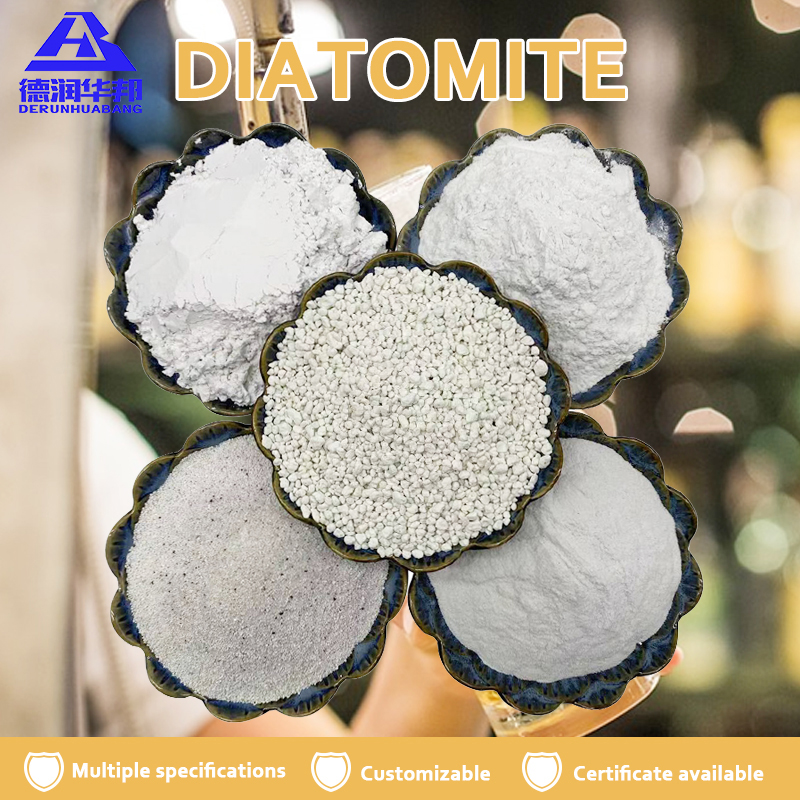


-

Diatomaceous Earth Powder For Environmental Protection Industry Treating Odors And Volatile Organic Compounds Suitable For Waste Gas And Wastewater Treatment
With the increasing awareness of environmental protection worldwide, the treatment of waste gas and wastewater has become a key task for enterprises to achieve green development. The efficient removal of odors and volatile organic compounds (VOCs) in waste gas, as well as the adsorption of harmful substances in wastewater, has become a technical focus. High adsorption diatomaceous earth powder (diatomite powder) has become an ideal environmental protection material due to its large specific surface area, strong adsorption capacity, and natural non-toxic properties, and is widely used in waste gas treatment, wastewater treatment, and solid waste disposal.
In waste gas treatment, especially in the treatment of industrial waste gas containing VOCs (such as printing, painting, and chemical industry), diatomaceous earth powder can effectively adsorb harmful substances. The porous structure of diatomite powder has a large number of adsorption sites, which can capture VOC molecules through van der Waals forces and electrostatic attraction. After modifying the surface of diatomaceous earth powder (such as loading activated carbon, titanium dioxide, etc.), its adsorption capacity for VOCs can be further improved. Taking the painting workshop of an automobile manufacturing plant as an example, the waste gas contains a large amount of benzene, toluene, and xylene. After passing the waste gas through a filter bed filled with modified diatomaceous earth powder, the removal rate of benzene, toluene, and xylene can reach more than 90%, and the concentration of VOCs in the treated waste gas is lower than the national emission standard (≤80 mg/m³). Compared with traditional activated carbon adsorption, diatomaceous earth powder has the advantages of low cost, long service life (adsorption saturation time is 2-3 times that of activated carbon), and easy regeneration (can be regenerated by heating at 300-400°C, and the adsorption capacity can be restored to more than 85% after regeneration).In the treatment of odorous waste gas (such as waste treatment plants, sewage treatment plants, and livestock farms), diatomaceous earth powder can also play a good role in deodorization. Odorous substances mainly include ammonia, hydrogen sulfide, and mercaptans. The porous structure of diatomite powder can adsorb these odorous molecules, and the alkaline or acidic functional groups on its surface (after modification) can react with odorous substances to decompose them into harmless substances. A waste treatment plant in a coastal city used a deodorization system based on diatomaceous earth powder. After installation, the odor concentration around the plant was reduced from 5000 OU/m³ to less than 200 OU/m³, which was far lower than the national standard (≤400 OU/m³), and the complaints from nearby residents were reduced by 90%. At the same time, the diatomaceous earth powder used in the deodorization system can be reused after regeneration, reducing the amount of solid waste generated.In wastewater treatment, high adsorption diatomaceous earth powder can be used to treat industrial wastewater containing organic pollutants (such as printing and dyeing wastewater, chemical wastewater). Printing and dyeing wastewater contains a large number of dyes and auxiliaries, which have high chroma and COD, and are difficult to degrade. Adding 2-5% diatomaceous earth powder to the wastewater can adsorb the dyes and organic matter in the water. Tests show that the chroma removal rate of printing and dyeing wastewater can reach more than 95%, and the COD removal rate can reach 60-80%. Compared with traditional coagulants (such as aluminum sulfate), diatomaceous earth powder has no secondary pollution (no aluminum ion residue), and the sludge generated after treatment is easy to dehydrate and can be used as a building material additive after harmless treatment. A printing and dyeing factory in Zhejiang used diatomaceous earth powder to treat its wastewater. After treatment, the wastewater can be recycled for production (after further advanced treatment), reducing the factory’s water consumption by 30% and saving a lot of water costs.Our high adsorption diatomaceous earth powder for environmental protection has a variety of product forms, including powder, granular, and extruded. The powder form (100-800 mesh) is suitable for wastewater treatment and waste gas adsorption towers; the granular form (1-5 mm) is suitable for fixed-bed adsorption systems in waste gas treatment; the extruded form (5-10 mm) is suitable for large-scale waste gas treatment projects with high air volume. The main technical indicators of our products are: specific surface area ≥200 m²/g, pore volume ≥0.8 cm³/g, adsorption capacity for methylene blue ≥15 mL/0.1g, and moisture content ≤3%. We can also provide modified diatomaceous earth powder products according to customers’ specific treatment objects, such as activated carbon-loaded diatomite powder (for VOCs adsorption), titanium dioxide-loaded diatomite powder (for photocatalytic degradation of organic pollutants), and alkaline diatomite powder (for hydrogen sulfide adsorption).In the production process, we adopt advanced activation technology to enhance the adsorption capacity of diatomaceous earth powder. The activation process includes acid activation (using dilute sulfuric acid to etch the surface of diatomite particles, increasing the number of pores) and thermal activation (calcining at high temperature to remove organic impurities in the pores and expand the pore size). The activated diatomaceous earth powder has a specific surface area increased by 30-50% compared with the original ore, and the adsorption capacity is significantly improved. Each batch of products will undergo adsorption capacity testing (using methylene blue solution as the adsorbate) and pore structure testing (using a specific surface area analyzer), ensuring that the product performance meets the requirements. -

Huabang diatomite powder for filtration industry water purification cosmetics prouct industry applications
Type
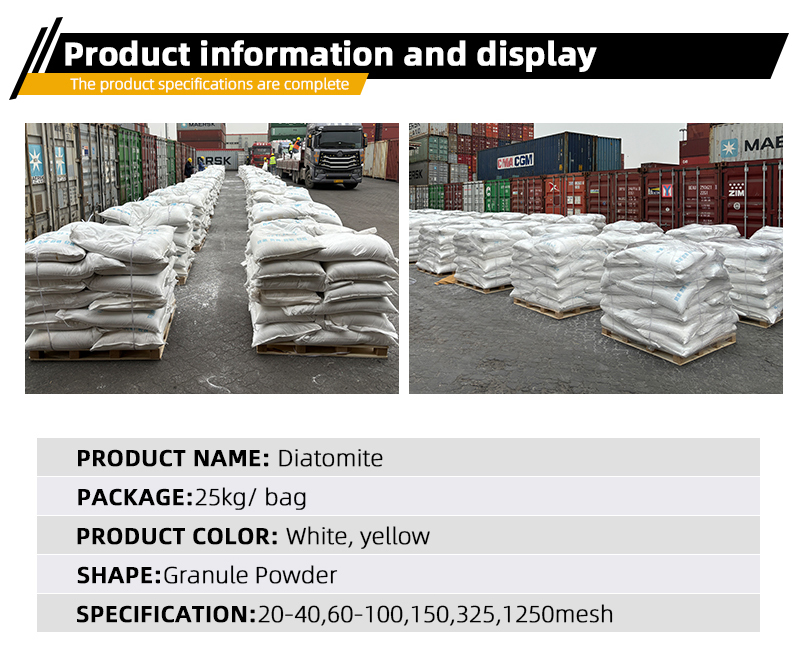
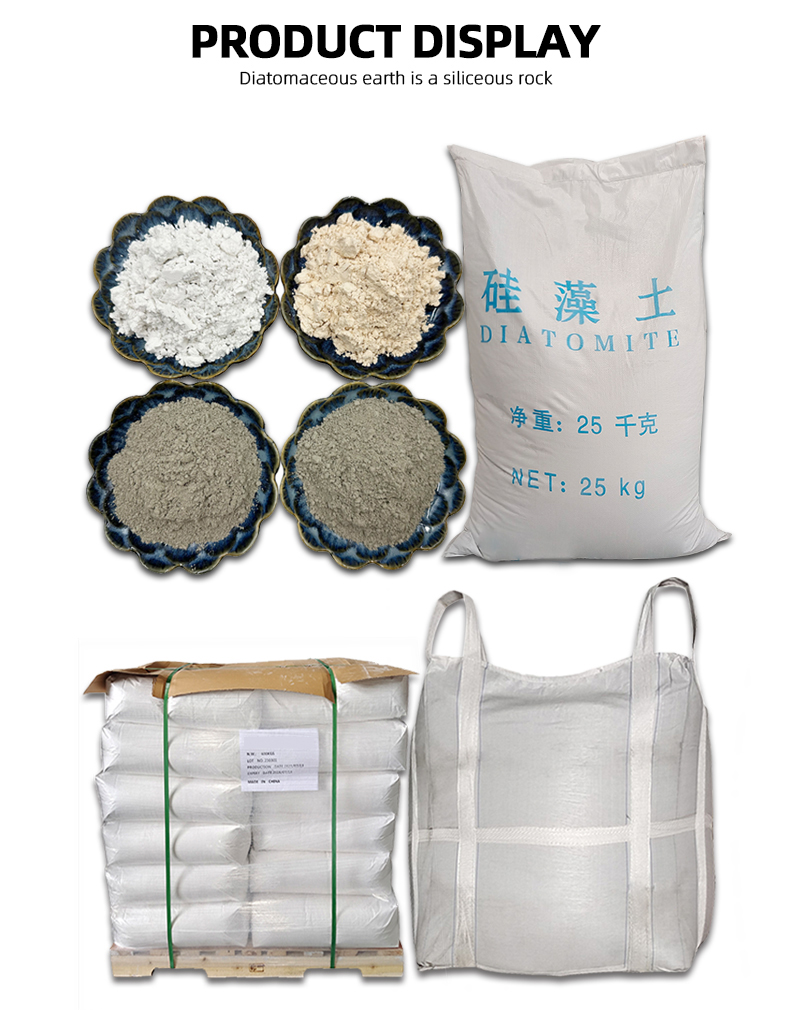
diatomite powder and diatomite graunlesGrade
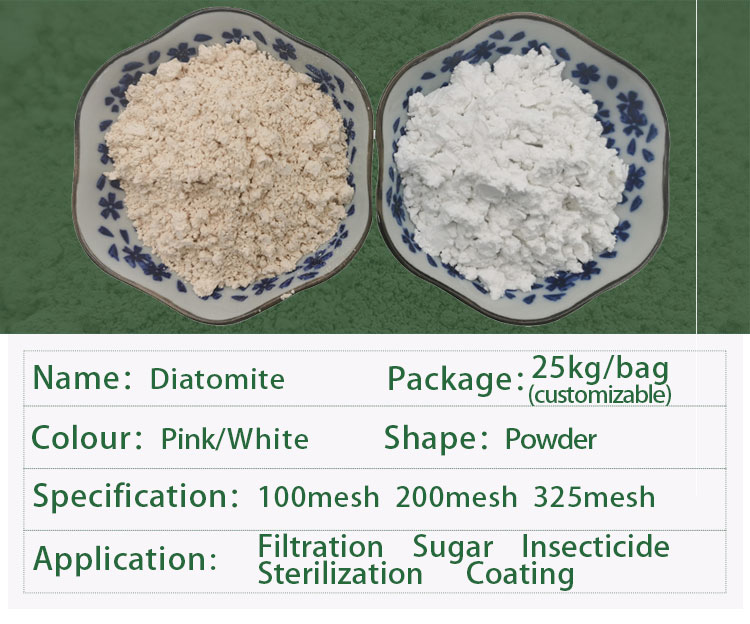
food grade, industrial grade, chemical grade, pharmaceutical grade and agricultural grade .Color
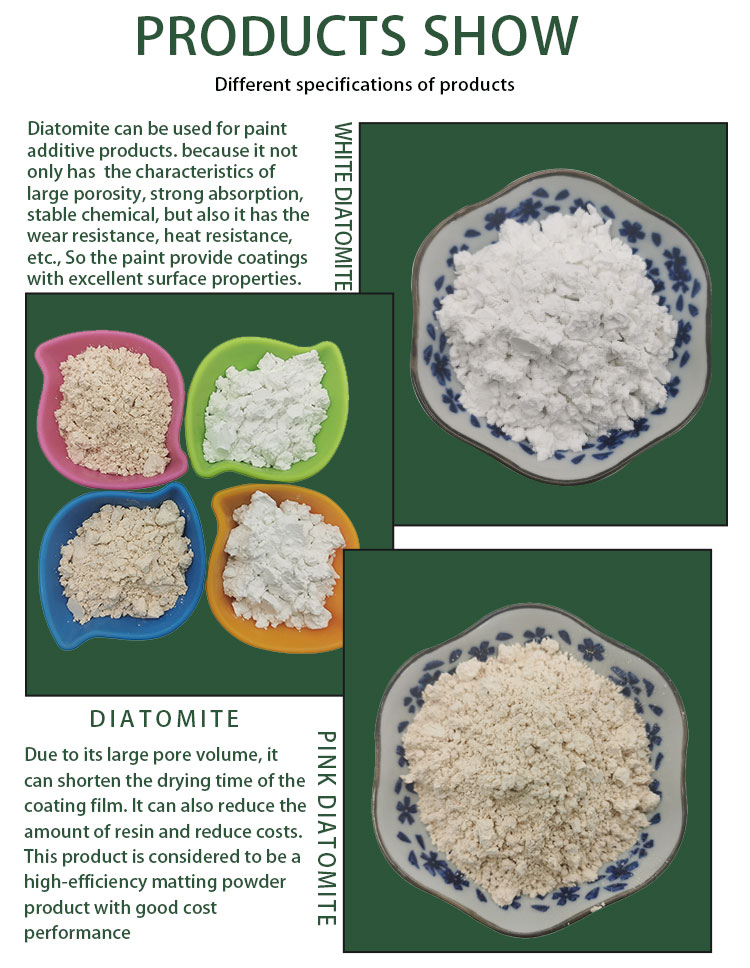
diatomite powders / diatomaceous earth powders : white, grey and pink
diatomite graunles / diatomaceous earth graunles: orange, yellowishApplication
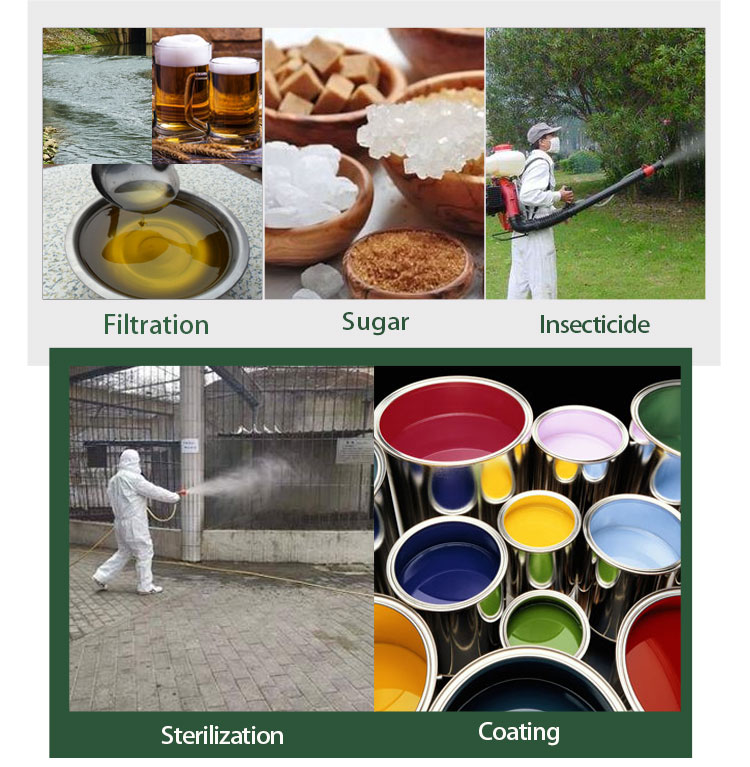
Condiments: monosodium glutamate sauce vinegar.
Beverage industry: beer, white wine, yellow wine, wine, tea, tea beverage and syrup.
Sugar industry: fructose syrup, high fructose syrup, sugar syrup, sugar beet sugar beet sugar honey.
Medicine: antibiotic synthetic plasma extract of vitamin a Chinese medicine.
Water treatment: water industry wastewater of water industry, swimming pool water bath water; Industrial oil products: lubricating oil additive machine plus cooling oil transformer oil metal plate foil rolling oil.
Other: enzyme preparation plant oil seaweed gel electrolyte liquid milk products citric gelatin bone glue.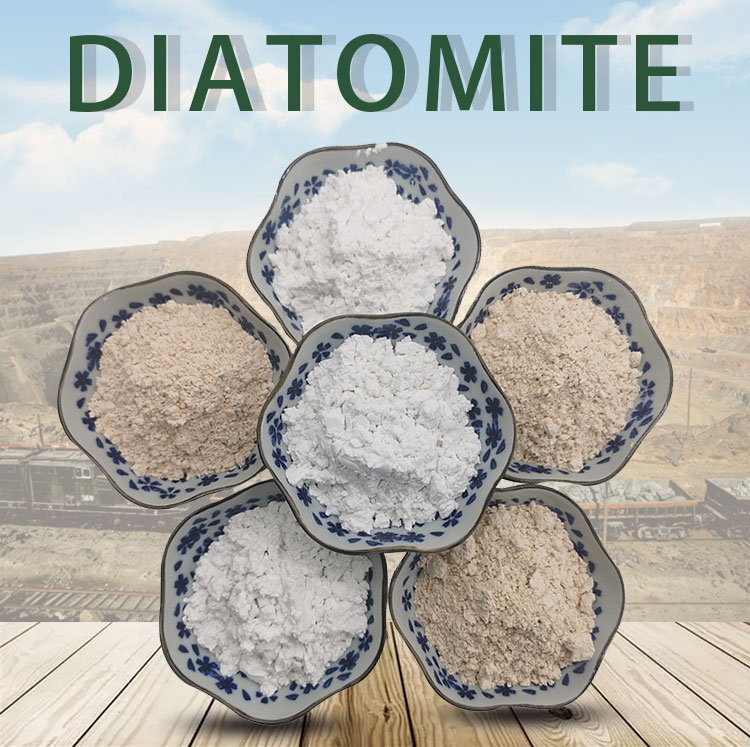
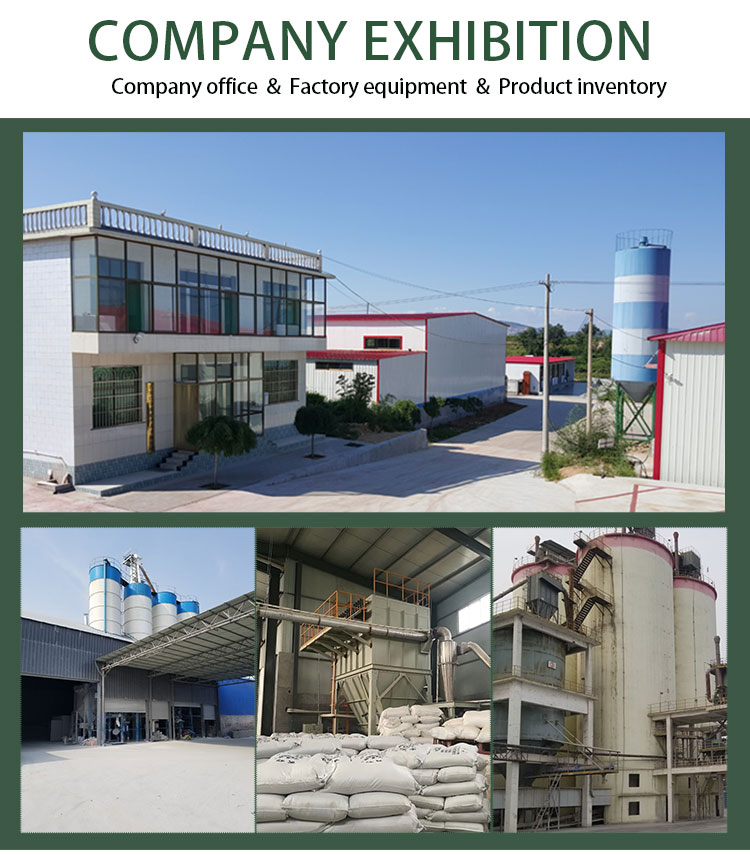
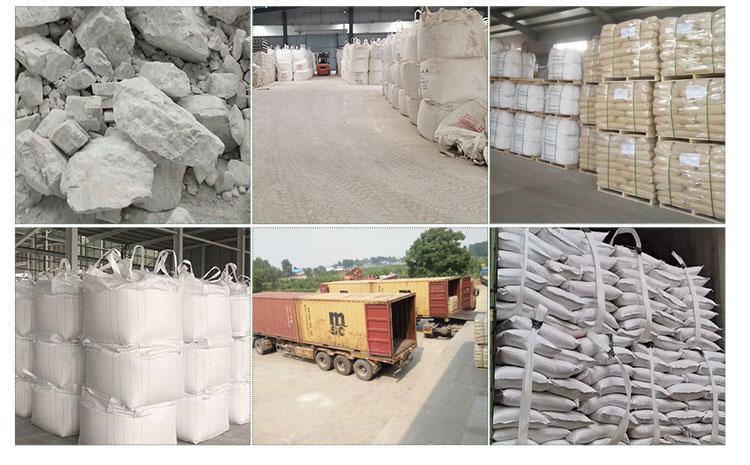
-

Explore Diatomite Natural Wonder Fueling Water Purification Soil Amendment and Industrial Catalysis Shaping a Sustainable Future with Its Abundant Applications
Type
diatomite powder and diatomite graunlesGrade
food grade, industrial grade, chemical grade, pharmaceutical grade and agricultural grade .Color
diatomite powders / diatomaceous earth powders : white, grey and pink
diatomite graunles / diatomaceous earth graunles: orange, yellowishApplication
Condiments: monosodium glutamate sauce vinegar.
Beverage industry: beer, white wine, yellow wine, wine, tea, tea beverage and syrup.
Sugar industry: fructose syrup, high fructose syrup, sugar syrup, sugar beet sugar beet sugar honey.
Medicine: antibiotic synthetic plasma extract of vitamin a Chinese medicine.
Water treatment: water industry wastewater of water industry, swimming pool water bath water; Industrial oil products: lubricating oil additive machine plus cooling oil transformer oil metal plate foil rolling oil.
Other: enzyme preparation plant oil seaweed gel electrolyte liquid milk products citric gelatin bone glue. -
Huabang high quality celite diatomaceous earth powder supplier filter aid diatomaceous earth for oil filteration and diatomite mat
Type
diatomite powder and diatomite graunlesGrade
food grade, industrial grade, chemical grade, pharmaceutical grade and agricultural grade .Color
diatomite powders / diatomaceous earth powders : white, grey and pink
diatomite graunles / diatomaceous earth graunles: orange, yellowishApplication
Condiments: monosodium glutamate sauce vinegar.
Beverage industry: beer, white wine, yellow wine, wine, tea, tea beverage and syrup.
Sugar industry: fructose syrup, high fructose syrup, sugar syrup, sugar beet sugar beet sugar honey.
Medicine: antibiotic synthetic plasma extract of vitamin a Chinese medicine.
Water treatment: water industry wastewater of water industry, swimming pool water bath water; Industrial oil products: lubricating oil additive machine plus cooling oil transformer oil metal plate foil rolling oil.
Other: enzyme preparation plant oil seaweed gel electrolyte liquid milk products citric gelatin bone glue. -

Wholesale White Yellow Color celite diatomaceous earth diatomite price ton supplier filter aid diatomaceous earth for oil filteration
Type
diatomite powder and diatomite graunlesGrade
food grade, industrial grade, chemical grade, pharmaceutical grade and agricultural grade .Color
diatomite powders / diatomaceous earth powders : white, grey and pink
diatomite graunles / diatomaceous earth graunles: orange, yellowishApplication
Condiments: monosodium glutamate sauce vinegar.
Beverage industry: beer, white wine, yellow wine, wine, tea, tea beverage and syrup.
Sugar industry: fructose syrup, high fructose syrup, sugar syrup, sugar beet sugar beet sugar honey.
Medicine: antibiotic synthetic plasma extract of vitamin a Chinese medicine.
Water treatment: water industry wastewater of water industry, swimming pool water bath water; Industrial oil products: lubricating oil additive machine plus cooling oil transformer oil metal plate foil rolling oil.
Other: enzyme preparation plant oil seaweed gel electrolyte liquid milk products citric gelatin bone glue. -
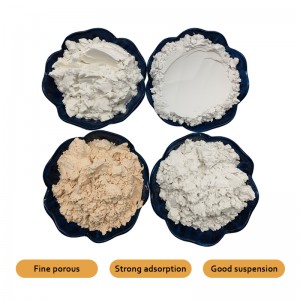
Diatomite powder diatomaceous earth celite 545 food grade filter bulk diatomaceous earth for wine
Type
diatomite powder and diatomite graunlesGrade
food grade, industrial grade, chemical grade, pharmaceutical grade and agricultural grade .Color
diatomite powders / diatomaceous earth powders : white, grey and pink
diatomite graunles / diatomaceous earth graunles: orange, yellowishApplication
Condiments: monosodium glutamate sauce vinegar.
Beverage industry: beer, white wine, yellow wine, wine, tea, tea beverage and syrup.
Sugar industry: fructose syrup, high fructose syrup, sugar syrup, sugar beet sugar beet sugar honey.
Medicine: antibiotic synthetic plasma extract of vitamin a Chinese medicine.
Water treatment: water industry wastewater of water industry, swimming pool water bath water; Industrial oil products: lubricating oil additive machine plus cooling oil transformer oil metal plate foil rolling oil.
Other: enzyme preparation plant oil seaweed gel electrolyte liquid milk products citric gelatin bone glue. -
Diatomite powder diatomaceous earth celite 545 food grade filter bulk diatomaceous earth for wine
Type
diatomite powder and diatomite graunlesGrade
food grade, industrial grade, chemical grade, pharmaceutical grade and agricultural grade .Color
diatomite powders / diatomaceous earth powders : white, grey and pink
diatomite graunles / diatomaceous earth graunles: orange, yellowishApplication
Condiments: monosodium glutamate sauce vinegar.
Beverage industry: beer, white wine, yellow wine, wine, tea, tea beverage and syrup.
Sugar industry: fructose syrup, high fructose syrup, sugar syrup, sugar beet sugar beet sugar honey.
Medicine: antibiotic synthetic plasma extract of vitamin a Chinese medicine.
Water treatment: water industry wastewater of water industry, swimming pool water bath water; Industrial oil products: lubricating oil additive machine plus cooling oil transformer oil metal plate foil rolling oil.
Other: enzyme preparation plant oil seaweed gel electrolyte liquid milk products citric gelatin bone glue. -
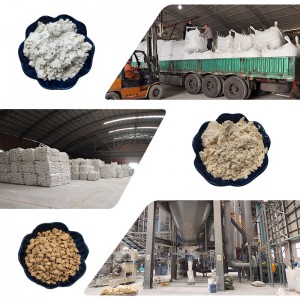
Wholesale celite diatomaceous earth diatomite price ton supplier filter aid diatomaceous earth for oil filteration
Type
diatomite powder and diatomite graunlesGrade
food grade, industrial grade, chemical grade, pharmaceutical grade and agricultural grade .Color
diatomite powders / diatomaceous earth powders : white, grey and pink
diatomite graunles / diatomaceous earth graunles: orange, yellowishApplication
Condiments: monosodium glutamate sauce vinegar.
Beverage industry: beer, white wine, yellow wine, wine, tea, tea beverage and syrup.
Sugar industry: fructose syrup, high fructose syrup, sugar syrup, sugar beet sugar beet sugar honey.
Medicine: antibiotic synthetic plasma extract of vitamin a Chinese medicine.
Water treatment: water industry wastewater of water industry, swimming pool water bath water; Industrial oil products: lubricating oil additive machine plus cooling oil transformer oil metal plate foil rolling oil.
Other: enzyme preparation plant oil seaweed gel electrolyte liquid milk products citric gelatin bone glue. -
Celite 545 kieselguhr celite food grade for oil diatomite powder filter aid wine filteration
Type
diatomite powder and diatomite graunlesGrade
food grade, industrial grade, chemical grade, pharmaceutical grade and agricultural grade .Color
diatomite powders / diatomaceous earth powders : white, grey and pink
diatomite graunles / diatomaceous earth graunles: orange, yellowishApplication
Condiments: monosodium glutamate sauce vinegar.
Beverage industry: beer, white wine, yellow wine, wine, tea, tea beverage and syrup.
Sugar industry: fructose syrup, high fructose syrup, sugar syrup, sugar beet sugar beet sugar honey.
Medicine: antibiotic synthetic plasma extract of vitamin a Chinese medicine.
Water treatment: water industry wastewater of water industry, swimming pool water bath water; Industrial oil products: lubricating oil additive machine plus cooling oil transformer oil metal plate foil rolling oil.
Other: enzyme preparation plant oil seaweed gel electrolyte liquid milk products citric gelatin bone glue.