-

Calcined kaolin clay for ceramics production paper coating plastic filler rubber enhancement and paint formulation supporting industrial manufacturing
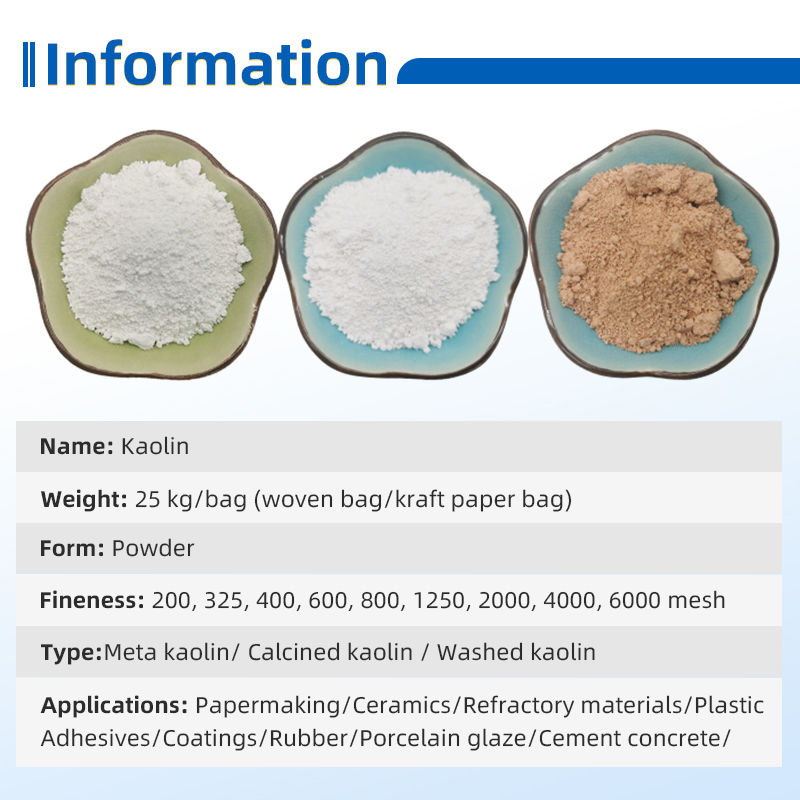
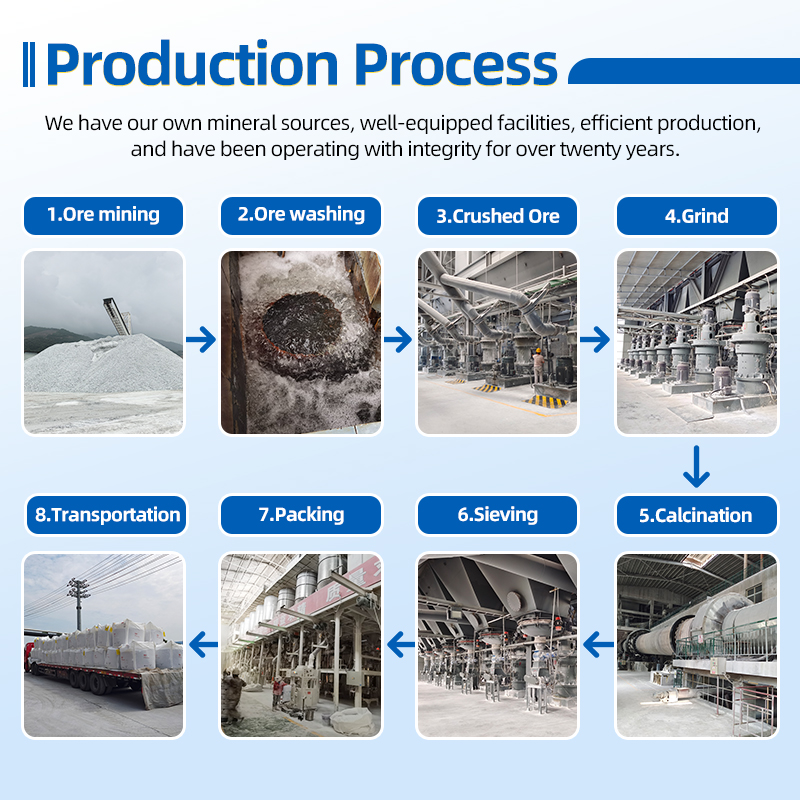
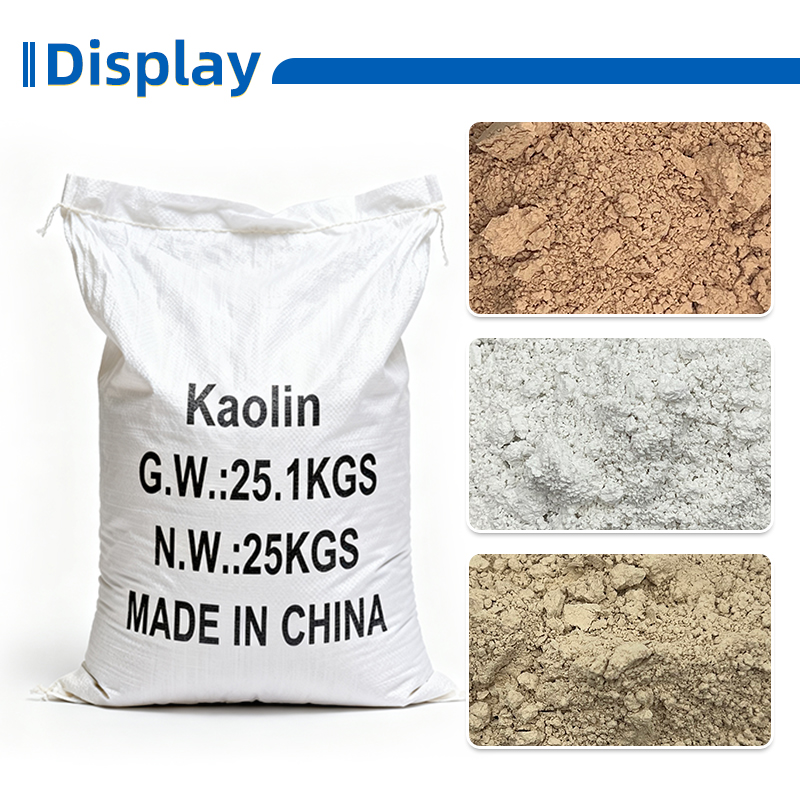
Kaolin Powder is naturally occurring non-metallic mineral dominated by kaolinite, formed through gradual decomposition and transformation of feldspar-rich aluminosilicate rocks under combined action of water, wind and biological factors over millions of years. It features soft, silky texture that feels smooth to touch, fine plate-like particles with ultra-thin lamellar structure (which can overlap and interlock) and synergistic physical-chemical properties that underpin its wide industrial value. Core traits include inherent whiteness that avoids discoloration of light-toned or transparent end products, excellent plasticity that enables easy shaping in semi-solid systems (such as sealant pastes) without cracking, stable chemical inertness that resists reactions with common industrial reagents like resins, solvents and plasticizers, and strong lamellar bonding that enhances formulation stability and anti-settling ability. These natural properties, combined with customizable processing technologies, allow it to integrate seamlessly into diverse industrial chains without disrupting core functions of base materials, acting as silent performance booster that upgrades product quality.Processing techniques of kaolin powder are meticulously tailored to unlock targeted functionalities for different industrial needs. Washing, as foundational purification step, involves crushing raw ore into small fragments first, then mixing with water to form uniform slurry. This slurry is then passed through high-speed centrifugal separation equipment to remove heavier impurities, coarse grains and organic contaminants—this method improves purity and particle size uniformity more efficiently than traditional gravity separation, making it ideal for color-sensitive applications like light-toned plastic products. Calcining is a key step for enhancing high-temperature performance: particles are heated in sealed kilns under strictly controlled temperature and atmosphere conditions to eliminate internal moisture and organic matter. This process induces subtle changes in crystal structure, transforming kaolin into metakaolin that boasts significantly boosted hardness, thermal stability and opacity—critical for high-temperature scenarios such as refractory materials. Surface modification is essential for compatibility with organic matrices: particles are coated with silane coupling agents in high-speed mixers, forming a thin functional layer on the surface that improves bonding with polymers and resins. This modification effectively prevents particle agglomeration and maximizes reinforcing effects in composite materials. Each processing step is dynamically adjusted based on specific end-use requirements, ensuring kaolin powder delivers optimal performance across various industrial sectors.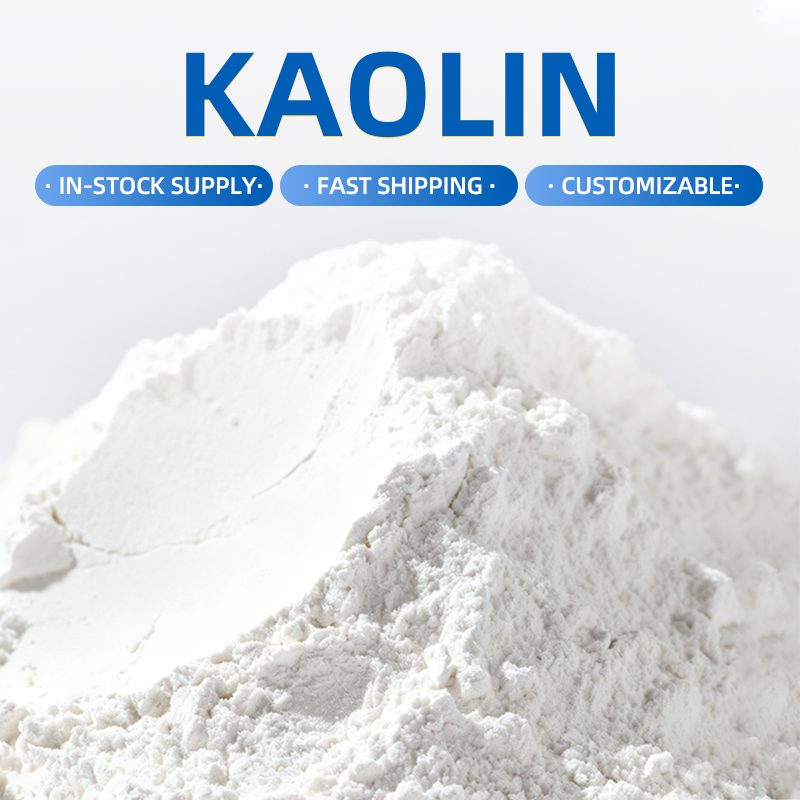
 Adhesive and sealant industry relies heavily on kaolin powder to solve key formulation pain points in industrial scenarios. It precisely adjusts viscosity of adhesive formulations to the ideal range—preventing sagging or dripping during vertical application on mechanical parts (such as engine components) while maintaining appropriate smoothness for bonding irregular pipe joints (common in chemical plants). Fine particle size and strong suspension ability of kaolin powder keep formulations uniform and stable during long-term storage (whether in sealed barrels or flexible tubes), avoiding sedimentation or stratification that causes uneven bonding strength. Kaolin powder enhances bonding strength through dual mechanisms: its ultra-fine particles penetrate deeply into tiny pores and crevices of substrates—whether metal (steel, aluminum), plastic (polypropylene, PVC) or wood (plywood, solid wood)—forming tight mechanical interlocks; meanwhile, its surface functional groups (after modification) form weak chemical bonds with substrate surfaces, jointly resisting peeling, shearing and corrosion from industrial chemicals (such as solvents and acids). In sealants used for chemical equipment (reactors, storage tanks), it significantly boosts temperature resistance and chemical stability, allowing sealants to withstand harsh working environments (high temperature, corrosive gas) without cracking or losing elasticity, effectively protecting equipment from leakage and ensuring production safety.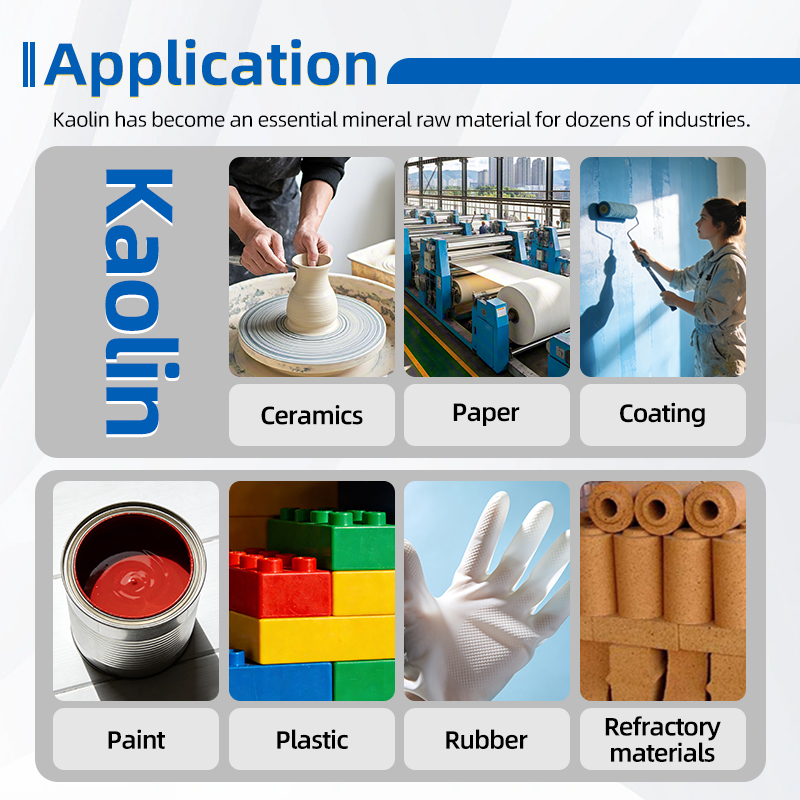
 Refractory materials sector values kaolin powder’s exceptional thermal stability and anti-spalling ability more than any other industry. When mixed with alumina and magnesia in scientific proportions (adjusted based on specific equipment needs), it forms high-performance blends for manufacturing refractory castables and furnace linings—focused on key equipment such as glass melting furnaces (which operate at extremely high temperatures) and cement rotary kilns (subject to frequent temperature changes). These blends, with kaolin powder as core functional component, can retain stable structural integrity even under extreme heat, forming dense protective barriers that shield furnace walls from severe thermal shock (caused by sudden temperature rises or drops) and corrosion from harmful gases (released during melting or calcining processes). Kaolin powder’s unique lamellar structure fills tiny gaps between coarse refractory particles, greatly improving density of refractory products and reducing heat loss from furnaces—helping enterprises save energy. More importantly, its excellent anti-spalling trait prevents material peeling or cracking caused by repeated temperature cycles, significantly extending service life of refractory linings and reducing maintenance downtime and replacement costs for factories.
 Plastic industry widely uses kaolin powder as cost-effective reinforcement to upgrade comprehensive performance of basic plastics. When added to polypropylene and polyethylene (the most commonly used general-purpose plastics), it significantly enhances rigidity of plastic products—making them suitable for manufacturing household appliance casings (refrigerators, washing machines) and construction plastic profiles (door and window frames). It also improves heat resistance of plastics, enabling them to be used in manufacturing electrical component housings (which generate heat during operation) without deformation. Additionally, kaolin powder boosts dimensional stability of plastics, preventing warping or shrinking after molding—critical for precision plastic parts. Surface-modified kaolin powder can disperse evenly in polymer matrices, forming strong interfacial bonds that increase impact resistance while maintaining surface smoothness—essential for appearance-sensitive products (such as plastic decorative parts). Importantly, it is fully compatible with existing extrusion and injection molding processes, allowing manufacturers to use existing equipment without additional modifications or production costs.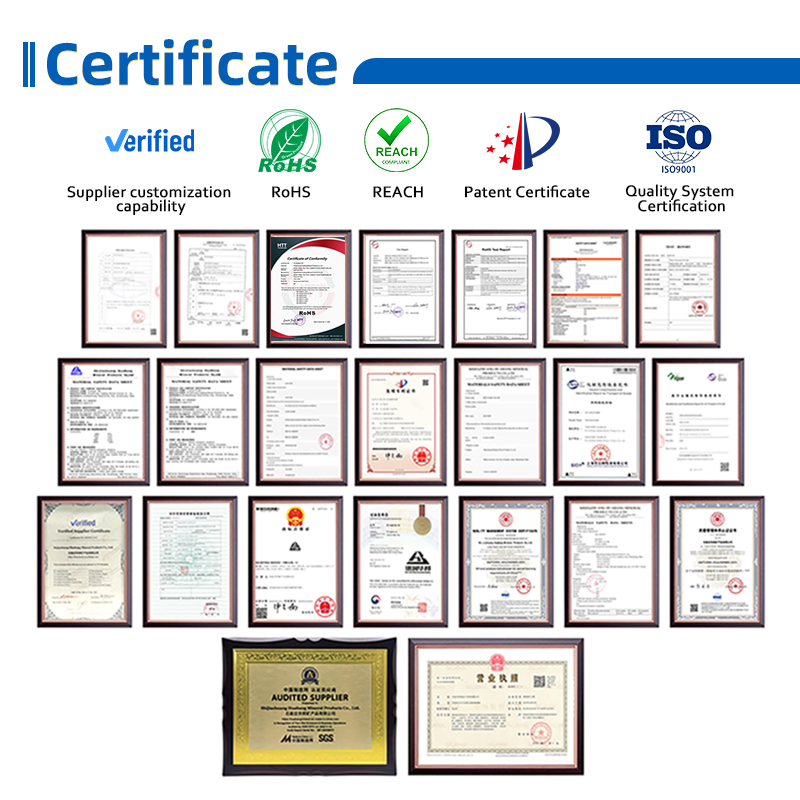
 Composite materials industry leverages kaolin powder to perfectly balance performance, cost and weight—three core demands in composite manufacturing. In fiber-reinforced composites used for wind turbine blades (which require high strength and light weight) and automotive lightweight parts (aimed at reducing fuel consumption), kaolin powder acts as functional filler that not only enhances rigidity, fatigue resistance and dimensional stability of composites but also effectively reduces overall weight. It can replace part of expensive carbon fibers or glass fibers in composite formulations, significantly lowering production costs without compromising structural strength. Kaolin powder’s plate-like particles can align parallel to composite matrices during processing, forming a “lamellar reinforcement network” that improves stress distribution—effectively transferring external forces to fiber components, preventing localized damage (such as fiber breakage or matrix cracking) and extending service life of composite components under long-term cyclic loads (common in wind turbine operation and automotive driving).
 Asphalt modification sector (a new application to differ from previous texts) enthusiastically embraces kaolin powder for its unique ability to upgrade road performance comprehensively. When added to asphalt mixtures (the main material for road construction), it significantly enhances high-temperature stability of asphalt, reducing the risk of rutting (formed by heavy traffic) on roads in hot climates (such as tropical or subtropical regions). Its lamellar structure can form a dense protective network in asphalt, improving anti-aging performance (resisting oxidation from sunlight and air) and water resistance (preventing water from penetrating into road layers)—greatly extending road service life. Kaolin powder also adjusts asphalt viscosity to the optimal range, optimizing construction workability (making it easier to pave and compact) without affecting final hardness of the road surface. This application is widely used in highway and urban road construction, especially in key projects requiring high durability (such as expressways and airport runways), perfectly meeting demands for reliable and long-lasting transportation infrastructure.
 -
Kaolin powder boost adhesion enhance thermal stability strengthen composite rigidity optimize refractory performance stabilize sealant flexibility improve polymer durability upgrade asphalt quality
Kaolin Powder is naturally occurring non-metallic mineral dominated by kaolinite, formed through gradual decomposition and transformation of feldspar-rich aluminosilicate rocks under combined action of water, wind and biological factors over millions of years. It features soft, silky texture that feels smooth to touch, fine plate-like particles with ultra-thin lamellar structure (which can overlap and interlock) and synergistic physical-chemical properties that underpin its wide industrial value. Core traits include inherent whiteness that avoids discoloration of light-toned or transparent end products, excellent plasticity that enables easy shaping in semi-solid systems (such as sealant pastes) without cracking, stable chemical inertness that resists reactions with common industrial reagents like resins, solvents and plasticizers, and strong lamellar bonding that enhances formulation stability and anti-settling ability. These natural properties, combined with customizable processing technologies, allow it to integrate seamlessly into diverse industrial chains without disrupting core functions of base materials, acting as silent performance booster that upgrades product quality.Processing techniques of kaolin powder are meticulously tailored to unlock targeted functionalities for different industrial needs. Washing, as foundational purification step, involves crushing raw ore into small fragments first, then mixing with water to form uniform slurry. This slurry is then passed through high-speed centrifugal separation equipment to remove heavier impurities, coarse grains and organic contaminants—this method improves purity and particle size uniformity more efficiently than traditional gravity separation, making it ideal for color-sensitive applications like light-toned plastic products. Calcining is a key step for enhancing high-temperature performance: particles are heated in sealed kilns under strictly controlled temperature and atmosphere conditions to eliminate internal moisture and organic matter. This process induces subtle changes in crystal structure, transforming kaolin into metakaolin that boasts significantly boosted hardness, thermal stability and opacity—critical for high-temperature scenarios such as refractory materials. Surface modification is essential for compatibility with organic matrices: particles are coated with silane coupling agents in high-speed mixers, forming a thin functional layer on the surface that improves bonding with polymers and resins. This modification effectively prevents particle agglomeration and maximizes reinforcing effects in composite materials. Each processing step is dynamically adjusted based on specific end-use requirements, ensuring kaolin powder delivers optimal performance across various industrial sectors.Adhesive and sealant industry relies heavily on kaolin powder to solve key formulation pain points in industrial scenarios. It precisely adjusts viscosity of adhesive formulations to the ideal range—preventing sagging or dripping during vertical application on mechanical parts (such as engine components) while maintaining appropriate smoothness for bonding irregular pipe joints (common in chemical plants). Fine particle size and strong suspension ability of kaolin powder keep formulations uniform and stable during long-term storage (whether in sealed barrels or flexible tubes), avoiding sedimentation or stratification that causes uneven bonding strength. Kaolin powder enhances bonding strength through dual mechanisms: its ultra-fine particles penetrate deeply into tiny pores and crevices of substrates—whether metal (steel, aluminum), plastic (polypropylene, PVC) or wood (plywood, solid wood)—forming tight mechanical interlocks; meanwhile, its surface functional groups (after modification) form weak chemical bonds with substrate surfaces, jointly resisting peeling, shearing and corrosion from industrial chemicals (such as solvents and acids). In sealants used for chemical equipment (reactors, storage tanks), it significantly boosts temperature resistance and chemical stability, allowing sealants to withstand harsh working environments (high temperature, corrosive gas) without cracking or losing elasticity, effectively protecting equipment from leakage and ensuring production safety.Refractory materials sector values kaolin powder’s exceptional thermal stability and anti-spalling ability more than any other industry. When mixed with alumina and magnesia in scientific proportions (adjusted based on specific equipment needs), it forms high-performance blends for manufacturing refractory castables and furnace linings—focused on key equipment such as glass melting furnaces (which operate at extremely high temperatures) and cement rotary kilns (subject to frequent temperature changes). These blends, with kaolin powder as core functional component, can retain stable structural integrity even under extreme heat, forming dense protective barriers that shield furnace walls from severe thermal shock (caused by sudden temperature rises or drops) and corrosion from harmful gases (released during melting or calcining processes). Kaolin powder’s unique lamellar structure fills tiny gaps between coarse refractory particles, greatly improving density of refractory products and reducing heat loss from furnaces—helping enterprises save energy. More importantly, its excellent anti-spalling trait prevents material peeling or cracking caused by repeated temperature cycles, significantly extending service life of refractory linings and reducing maintenance downtime and replacement costs for factories.Plastic industry widely uses kaolin powder as cost-effective reinforcement to upgrade comprehensive performance of basic plastics. When added to polypropylene and polyethylene (the most commonly used general-purpose plastics), it significantly enhances rigidity of plastic products—making them suitable for manufacturing household appliance casings (refrigerators, washing machines) and construction plastic profiles (door and window frames). It also improves heat resistance of plastics, enabling them to be used in manufacturing electrical component housings (which generate heat during operation) without deformation. Additionally, kaolin powder boosts dimensional stability of plastics, preventing warping or shrinking after molding—critical for precision plastic parts. Surface-modified kaolin powder can disperse evenly in polymer matrices, forming strong interfacial bonds that increase impact resistance while maintaining surface smoothness—essential for appearance-sensitive products (such as plastic decorative parts). Importantly, it is fully compatible with existing extrusion and injection molding processes, allowing manufacturers to use existing equipment without additional modifications or production costs.Composite materials industry leverages kaolin powder to perfectly balance performance, cost and weight—three core demands in composite manufacturing. In fiber-reinforced composites used for wind turbine blades (which require high strength and light weight) and automotive lightweight parts (aimed at reducing fuel consumption), kaolin powder acts as functional filler that not only enhances rigidity, fatigue resistance and dimensional stability of composites but also effectively reduces overall weight. It can replace part of expensive carbon fibers or glass fibers in composite formulations, significantly lowering production costs without compromising structural strength. Kaolin powder’s plate-like particles can align parallel to composite matrices during processing, forming a “lamellar reinforcement network” that improves stress distribution—effectively transferring external forces to fiber components, preventing localized damage (such as fiber breakage or matrix cracking) and extending service life of composite components under long-term cyclic loads (common in wind turbine operation and automotive driving).Asphalt modification sector (a new application to differ from previous texts) enthusiastically embraces kaolin powder for its unique ability to upgrade road performance comprehensively. When added to asphalt mixtures (the main material for road construction), it significantly enhances high-temperature stability of asphalt, reducing the risk of rutting (formed by heavy traffic) on roads in hot climates (such as tropical or subtropical regions). Its lamellar structure can form a dense protective network in asphalt, improving anti-aging performance (resisting oxidation from sunlight and air) and water resistance (preventing water from penetrating into road layers)—greatly extending road service life. Kaolin powder also adjusts asphalt viscosity to the optimal range, optimizing construction workability (making it easier to pave and compact) without affecting final hardness of the road surface. This application is widely used in highway and urban road construction, especially in key projects requiring high durability (such as expressways and airport runways), perfectly meeting demands for reliable and long-lasting transportation infrastructure. -

Kaolin powder for paint and coating enhanced adhesion and matte finish interior exterior and decorative coating materials
Kaolin powder has become increasingly popular and widely used ingredient in cosmetic formulations, particularly for facial, body and hair care products, due to its natural ability to improve texture and enhance oil absorption—two key properties that align with consumer demands for effective, gentle and natural beauty products. Cosmetic industry has seen growing shift toward natural ingredients in recent years, driven by consumer awareness of potential risks associated with synthetic additives and desire for products that are both effective and kind to skin and hair. Kaolin powder, with its mineral composition and proven performance, has emerged as staple in this natural beauty movement. Cosmetic-grade kaolin undergoes ultra-fine grinding and purification to remove all impurities, ensuring it is safe for direct contact with skin and hair.
Cosmetic products require careful balance of aesthetic appeal (smooth application, pleasant feel), skin and hair compatibility (gentleness, non-irritation) and performance (oil control, cleansing, detoxification)—all of which kaolin powder delivers without synthetic additives. Purified to remove impurities and achieve ultra-fine particle size, it has become integral in formulations ranging from clay masks and cleansers to powders, lotions and hair care products. Unlike synthetic ingredients that may cause irritation or clog pores, kaolin powder is naturally inert and compatible with all skin types, including sensitive and acne-prone skin.
Improved texture stands as most immediate and noticeable benefit of kaolin powder in cosmetics, elevating user experience and perceived quality of products. It imparts smooth, silky and lightweight feel to formulations, making application effortless and enjoyable. Ultra-fine particle size of cosmetic-grade kaolin powder ensures even distribution on skin or hair, preventing clumping, caking or gritty residue that can occur with lower-quality clays. This smooth texture is a key factor in consumer satisfaction, as cosmetic products that feel pleasant to use are more likely to be repurchased.
For face powders (like setting powders or mineral powders), kaolin powder creates breathable, invisible finish that does not weigh down skin or obscure natural texture. Unlike heavy synthetic powders that can clog pores or create cakey appearance, kaolin-based powders feel light on skin and allow natural glow to shine through. This makes them ideal for daily use, as they set makeup without looking unnatural. Setting powders containing kaolin powder keep makeup in place for hours without drying out skin, making them popular among makeup artists and everyday users alike. Mineral powders with kaolin are particularly valued for their natural finish, as they provide light coverage while controlling oil.
In creams and lotions, kaolin powder acts as thickening agent while maintaining smooth consistency, allowing products to spread evenly and absorb quickly without leaving greasy film. Body lotions containing kaolin powder glide smoothly over skin, absorbing rapidly to hydrate without feeling heavy. This makes them ideal for use before dressing, as they do not stain clothing. Facial moisturizers use kaolin to create lightweight texture that is suitable for all skin types, including oily skin that tends to feel greasy with thick creams. Even rich moisturizers for dry skin benefit from kaolin, as it thickens formula without making it heavy or greasy.
In hair care products like dry shampoos, kaolin powder disperses evenly to absorb oil without leaving white residue—a common complaint with cheaper dry shampoos. It creates natural-looking volume, making hair appear fresh and clean between washes. Dry shampoos with kaolin powder are popular among travelers, busy professionals and individuals with curly or textured hair that does not need frequent washing. Hair masks with kaolin powder have smooth, spreadable texture that coats strands evenly, delivering nutrients without tangling hair. These masks are easy to apply and rinse out, making them convenient for at-home hair care routines.
Oil absorption capacity of kaolin powder makes it ideal for products targeting oily, combination and acne-prone skin types—one of fastest-growing segments in cosmetic market—and oily hair concerns. Excess facial oil (sebum) can lead to shiny appearance, clogged pores, blackheads and breakouts, while excess scalp oil causes greasy hair and flatness. Consumers with these concerns are increasingly seeking natural solutions that control oil without drying out skin or hair, and kaolin powder meets this need effectively.
Kaolin powder acts as natural mattifier, absorbing excess sebum from skin surface or scalp while maintaining natural moisture barrier. Unlike harsh synthetic oil absorbers (like some talc variants that can cause dryness or irritation), kaolin powder absorbs only excess oil, leaving skin and hair balanced and hydrated. This balance is crucial for maintaining healthy skin and hair, as over-drying can trigger body to produce more oil to compensate—creating cycle of oily skin or hair.
Products like oil-control primers, matte foundations and clay masks containing kaolin powder reduce facial shine for hours. Oil-control primers create smooth base for makeup, absorbing excess oil throughout day to prevent makeup from sliding off. These primers are particularly popular in humid climates, where makeup tends to melt or fade quickly. Matte foundations with kaolin powder provide long-lasting coverage that stays matte without drying out skin. They are favored by individuals with oily skin, as they control shine while providing natural-looking coverage. Clay masks are particularly popular for oily skin, as they draw out excess oil and impurities from pores, leaving skin feeling clean and refreshed without tightness.
Dry shampoos with kaolin powder refresh oily hair by absorbing scalp oil and adding volume. They are convenient for travel, busy schedules or days when washing hair is not possible, and their natural formulation makes them suitable for frequent use without damaging hair or scalp. Unlike some dry shampoos that contain alcohol (which dries out scalp), kaolin-based dry shampoos are gentle and maintain scalp health. They are also available in tinted variants for darker hair colors, ensuring no white residue is visible.
Gentleness and compatibility of kaolin powder contribute to its widespread use in cosmetics, even for sensitive skin and hair types. It is naturally inert (chemically inactive) and non-irritating, making it suitable for daily use without causing redness, dryness or irritation—common issues with synthetic cosmetic ingredients. This gentleness has made kaolin powder a staple in baby care and sensitive skin products.
Unlike some clays (like bentonite, which can be drying or overly absorbing, especially for sensitive skin), kaolin powder has mild, soothing properties that calm skin and reduce inflammation. This makes it suitable for wide range of users: sensitive skin benefits from its non-irritating nature; dry skin appreciates its ability to absorb excess oil without stripping moisture; color-treated hair benefits from its non-abrasive formula that does not fade dye or damage strands. Individuals with rosacea or eczema often use kaolin-based products to soothe irritated skin, as clay’s cooling effect reduces redness and inflammation.
Baby care products, which require extremely gentle ingredients, often include kaolin powder in formulations like baby powder or diaper rash creams. Its mild nature soothes delicate baby skin, absorbing excess moisture and preventing irritation. Baby powders with kaolin powder are preferred over talc-based powders by many parents due to their natural composition and reduced risk of irritation. Diaper rash creams containing kaolin create protective barrier on baby’s skin, preventing moisture from causing rashes while soothing existing irritation.
Cleansing and detoxifying effects of kaolin powder are highly valued in facial and body care products, addressing consumer desire for deep yet gentle cleansing. It has mild absorbent properties that draw out impurities, toxins and excess sebum from pores or skin surface, helping to unclog pores and prevent breakouts. This cleansing action is gentle enough for daily use, making kaolin-based cleansers suitable for all skin types.
Clay masks formulated with kaolin powder are particularly popular for this reason. When applied to damp skin, mask adheres to surface and penetrates pores, absorbing dirt and oil as it dries. Upon removal, mask lifts away impurities, leaving skin feeling clean, refreshed and rejuvenated. Unlike harsh exfoliants that scrub skin and cause micro-tears, kaolin powder’s cleansing action is gentle, making it suitable for frequent use in skincare routines. Some clay masks combine kaolin with other natural ingredients like aloe vera or green tea to enhance soothing effects, catering to sensitive skin users.
Body scrubs with kaolin powder provide gentle exfoliation, removing dead skin cells without scratching or irritating skin. They leave skin feeling smooth and soft, and their natural formulation makes them suitable for all skin types. Body scrubs containing kaolin are popular for use before special occasions, as they leave skin with healthy glow. Scalp cleansers containing kaolin powder remove product buildup and excess oil, promoting healthy hair growth by unclogging hair follicles. These cleansers are particularly beneficial for individuals who use styling products regularly, as they deep-clean scalp without drying out hair.
Color enhancement and stability are additional advantages of kaolin powder in cosmetic formulations, particularly for colored products like blushes, eyeshadows, foundations and hair colorants. It serves as natural white pigment that brightens formulations and provides neutral base for other color pigments. This brightening effect helps color pigments appear more vibrant and true-to-tone.
Its fine particle size ensures even dispersion of color pigments, preventing streaking or uneven application. Kaolin powder also helps stabilize colors, preventing fading or discoloration over time—critical for cosmetic products with long shelf lives. In mineral foundations, kaolin powder blends with tinted pigments to create natural, buildable coverage that matches diverse skin tones. These foundations are popular for their lightweight feel and natural finish. In eyeshadows and blushes, it enhances color vibrancy while ensuring smooth, blendable application. Makeup artists appreciate how kaolin-based eyeshadows blend easily and stay in place without creasing. In hair colorants, it helps distribute dye evenly and maintain color richness, ensuring long-lasting results.
Versatility of kaolin powder allows its use in wide range of cosmetic and personal care products, making it indispensable for manufacturers with diverse product lines and enabling formulation of solutions for nearly every beauty and grooming need. This adaptability stems from its ability to blend with various cosmetic ingredients—from plant extracts and essential oils to synthetic binders and pigments—while retaining its core benefits of texture improvement, oil absorption and gentleness. It seamlessly transitions between product forms, from dry powders and creamy lotions to thick masks and lightweight sprays, catering to different application methods and consumer preferences.

-
Surface Modified Kaolin Powder For Plastic Industry Enhancing Mechanical Strength and Heat Resistance
The plastic industry’s continuous evolution necessitates advanced mineral fillers that can simultaneously optimize product performance, reduce production costs, and broaden application boundaries. Among these, surface-modified kaolin powder has emerged as a linchpin additive, revolutionizing the manufacturing of diverse plastic products including polypropylene (PP) injection-molded components, polyethylene (PE) films, and polyvinyl chloride (PVC) profiles. Unlike its unmodified counterpart, which often exhibits poor compatibility with plastic resins, surface-modified kaolin powder leverages silane or titanate coupling agents to form strong chemical bonds with polymer chains. This molecular-level interaction significantly enhances the mechanical strength, thermal stability, and dispersion uniformity within plastic matrices, making it an indispensable material in modern plastics manufacturing.
Mechanical Strength Augmentation
Mechanical resilience stands as a non-negotiable criterion for plastic products, particularly those deployed in demanding sectors such as automotive engineering, construction infrastructure, and consumer durables. Surface-modified kaolin powder, typically graded between 1000 and 2000 mesh, acts as a reinforcement agent by establishing an intricate network of mineral-polymer interfacial bonds. This network facilitates the even distribution of mechanical stress across the plastic matrix, preventing localized strain concentrations that could lead to failure.In the automotive industry, where weight reduction and structural integrity are paramount, the addition of 10%-20% surface-modified kaolin powder (by weight) to PP automotive interior components—such as dashboard casings and door trims—has demonstrated remarkable improvements. Rigorous testing by a leading German automotive parts supplier revealed a 25%-35% increase in tensile strength, elevating values from 30 MPa to 37-40 MPa. Concurrently, the flexural modulus witnessed a 40%-50% enhancement, rising from 1500 MPa to 2100-2250 MPa. These gains enable manufacturers to reduce resin consumption by up to 15%, achieving substantial cost savings without compromising on product quality.For PE agricultural films, the surface modification of kaolin powder ensures superior dispersion properties, effectively preventing particle agglomeration that can create structural weak points. Films incorporating 8%-12% of this modified powder exhibited a 30% boost in impact resistance, increasing from 8 kJ/m² to 10.4 kJ/m². This enhanced durability allows the films to withstand wind speeds of up to 18 m/s without tearing, providing reliable protection for various industrial applications beyond agriculture.Thermal Performance Enhancement
Heat resistance represents another critical advantage of surface-modified kaolin powder in plastic applications. Many modern plastic products, including electrical enclosures, automotive underhood components, and construction materials, must endure elevated temperatures without degrading. The high alumina content (ranging from 38%-42%) in kaolin powder, combined with effective surface modification techniques, significantly improves the heat distortion temperature (HDT) of plastic compounds.A prominent Italian PVC profile manufacturer successfully utilized surface-modified kaolin powder in window frame production, achieving a remarkable increase in HDT from 70°C to 85°C. This temperature tolerance upgrade ensures that the PVC frames can withstand prolonged exposure to direct sunlight in Mediterranean climates without warping or deformation. Similarly, for PP electrical enclosures housing heat-generating electronic components, the incorporation of kaolin powder raised the HDT from 110°C to 130°C, meeting stringent thermal requirements. Additionally, the powder effectively mitigates thermal shrinkage issues; PP injection-molded parts containing 15% kaolin powder exhibited a shrinkage rate of 1.2%, compared to 2.5% for unreinforced PP, ensuring precise dimensional accuracy during the manufacturing process.Production Process and Technical Specifications
The production of surface-modified kaolin powder for plastics involves a meticulously engineered two-stage process: ore refining and surface treatment. Raw kaolin ore undergoes beneficiation via magnetic separation and froth flotation techniques to eliminate iron and titanium impurities, which can compromise the powder’s performance. Subsequently, the ore is ground to the desired particle size using dry grinding methods with air classifier mills, producing grades ranging from 1000 to 2000 mesh.The surface modification stage employs high-speed mixers operating at 1500-2000 rpm to uniformly coat kaolin particles with coupling agents. Silane coupling agents, such as KH-550, are preferred for PP and PE applications due to their strong affinity for polyolefin polymers, while titanate coupling agents like TMC-101 are more suitable for PVC compounds. The coupling agent dosage is carefully controlled at 0.5%-1.5% of the kaolin powder’s weight to ensure complete particle coverage without excess material that could disrupt plastic processing. Post-modification, the powder is cooled to ambient temperature and sieved to remove any agglomerates, yielding a free-flowing, homogeneous product ready for integration into plastic formulations.Key technical indicators govern the quality of surface-modified kaolin powder for plastics. Particle size distribution, measured by D50 values of 5-10 μm (1000 mesh) or 2-5 μm (2000 mesh), directly impacts dispersion and reinforcement efficacy. Whiteness, expressed as an L* value of ≥90%, ensures aesthetic compatibility in applications where color is a factor. Stringent moisture control (≤0.3%) prevents issues such as hydrolysis during plastic processing, while a coupling agent coverage rate of ≥95% guarantees optimal interfacial bonding. Oil absorption values between 20-25 mL/100g reflect the powder’s wetting characteristics, influencing compound viscosity and processing behavior. These parameters are rigorously tested using advanced analytical tools, including laser particle size analyzers, Fourier-transform infrared spectroscopy (FTIR), and thermogravimetric analysis (TGA).Supply Chain Excellence and Technical Support
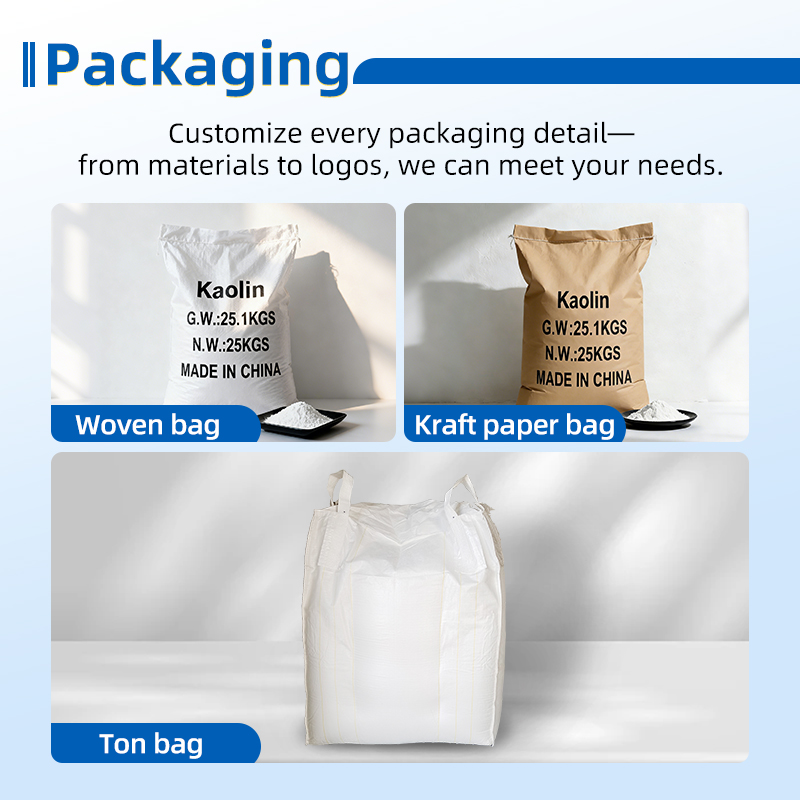
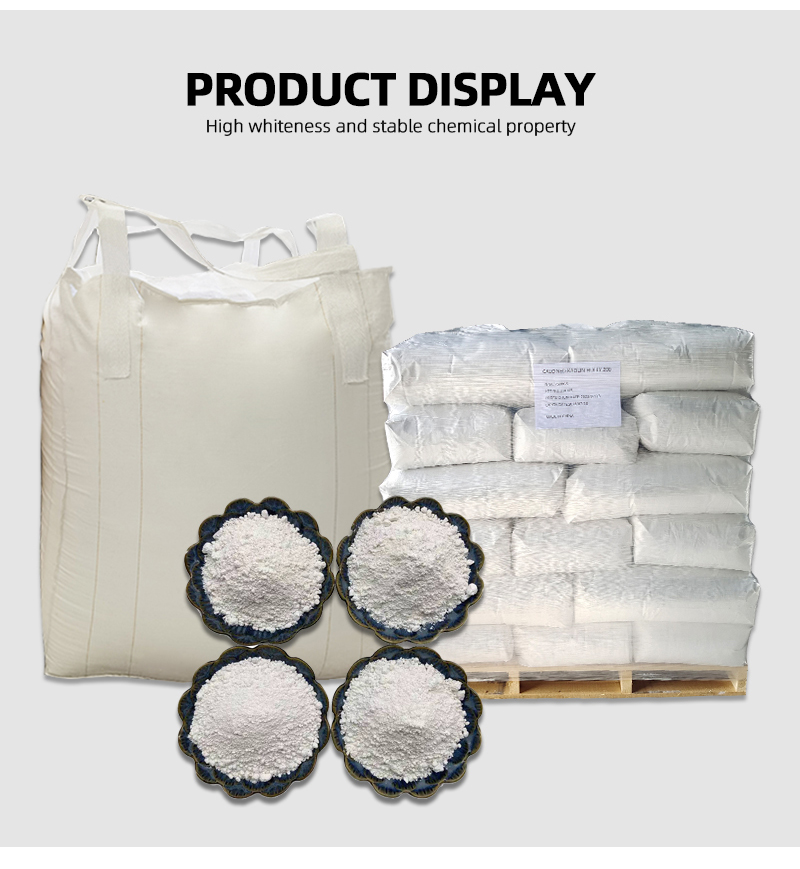
The supply chain infrastructure for surface-modified kaolin powder is optimized to align with the fast-paced production cycles of the plastic industry. Packaging options include 25kg multi-layer paper bags equipped with anti-static liners to prevent dust accumulation and ensure product integrity, as well as 1000kg bulk bags featuring forklift sleeves for efficient handling and storage. Delivery timelines are streamlined, with regional customers (e.g., shipments from China to Southeast Asia) receiving orders within 7-14 days, while international deliveries (such as those to Europe) are completed within 21-30 days. -

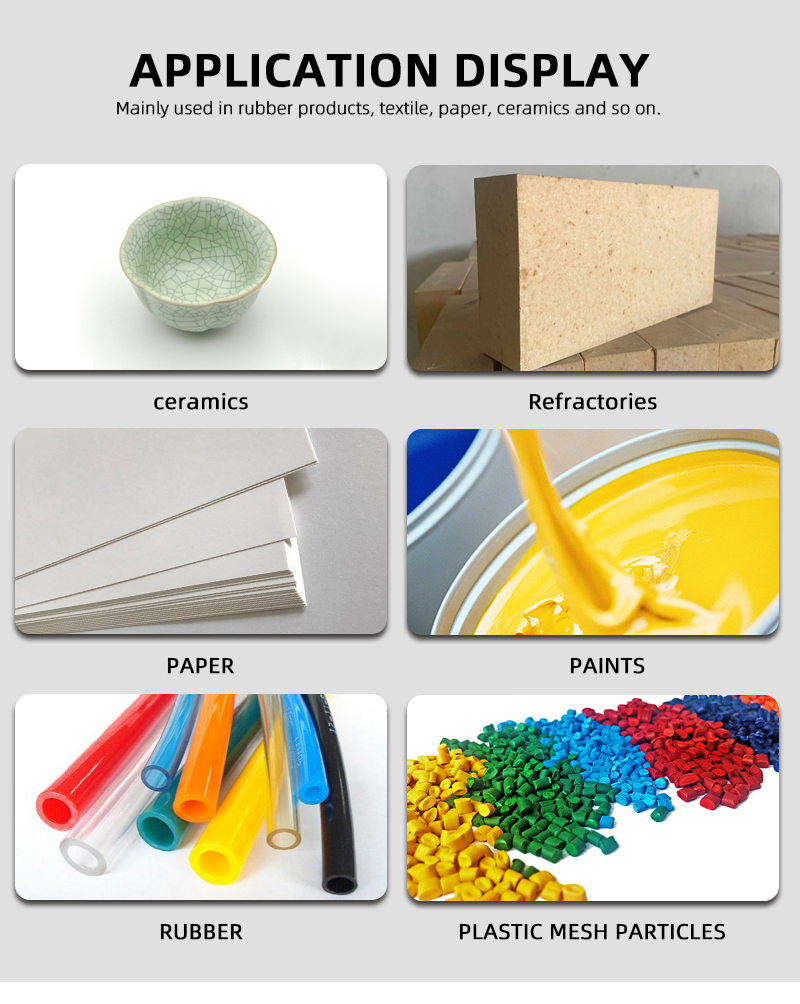
Kaolin Powder for Coatings Rubber Fillers White Cement Raw Materials Paint Industry Textile Materials Plastic Industry
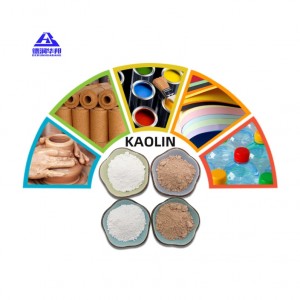
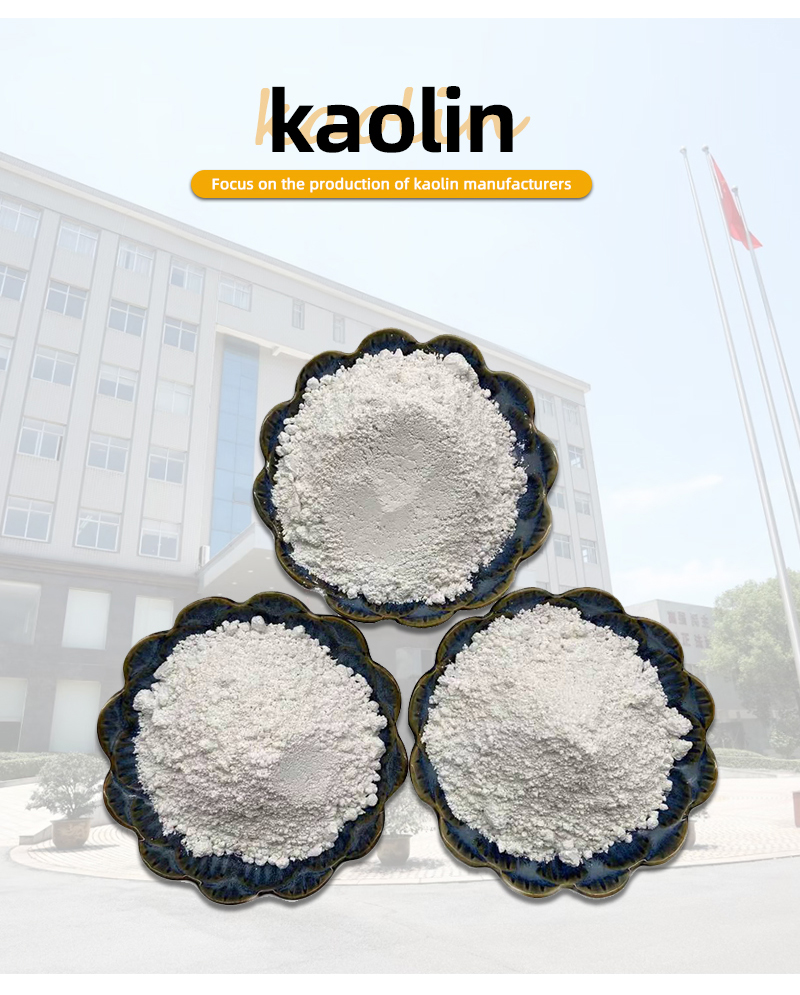
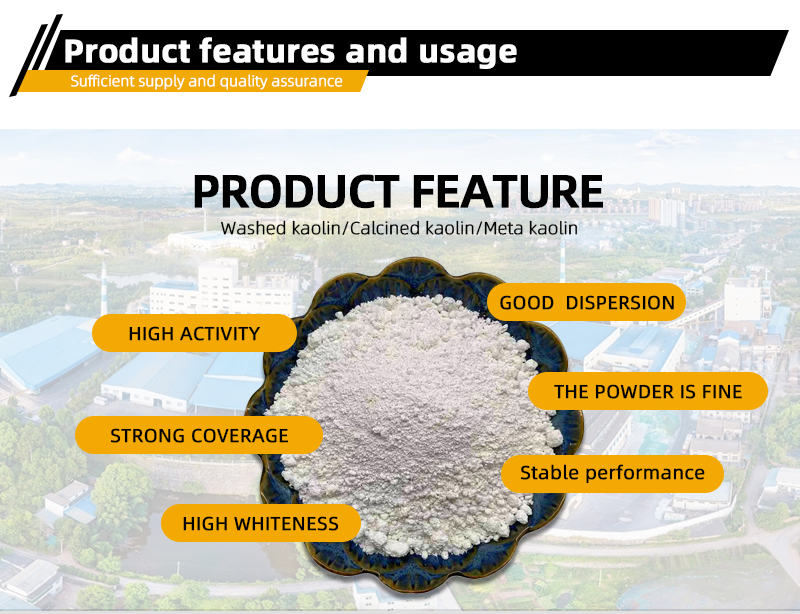
Kaolinite, also known as China Clay, is a type of aluminum silicate mineral that is primarily used in the manufacture of ceramics and porcelain. Its English name originates from the Gaoling Mountain near Jingdezhen, Jiangxi Province, China. This mineral is characterized by its white, soft, and clay-like appearance, with particles as fine as flour.
Kaolinite is highly valued for its stable chemical composition and rich mineral content, including silicon, zinc, magnesium, and aluminum.
-

kaolin for Unraveling Its Multifaceted Applications in Ceramics Paper and Cosmetics Industries
Kaolinite, also known as China Clay, is a type of aluminum silicate mineral that is primarily used in the manufacture of ceramics and porcelain. Its English name originates from the Gaoling Mountain near Jingdezhen, Jiangxi Province, China. This mineral is characterized by its white, soft, and clay-like appearance, with particles as fine as flour.
Kaolinite is highly valued for its stable chemical composition and rich mineral content, including silicon, zinc, magnesium, and aluminum.
-

Natural kaolin clay powder for rubber agriculture industry ceramic glaze refractory matter paper making
Kaolinite, also known as China Clay, is a type of aluminum silicate mineral that is primarily used in the manufacture of ceramics and porcelain. Its English name originates from the Gaoling Mountain near Jingdezhen, Jiangxi Province, China. This mineral is characterized by its white, soft, and clay-like appearance, with particles as fine as flour.
Kaolinite is highly valued for its stable chemical composition and rich mineral content, including silicon, zinc, magnesium, and aluminum.
-

325 mesh -10000 mesh Yellow Color Metakaolin Powder Kaolin White Metakaolin Powder High Activity Nano Size Metakaolin for Cement
We can offer:
1.free sample
2.custom clearance
3.technical support
4.7*24hours service
-
Metakaolin price kaolin clay powder metakaolin fiyat for concrete
We can offer:
1.free sample
2.custom clearance
3.technical support
4.7*24hours service
-
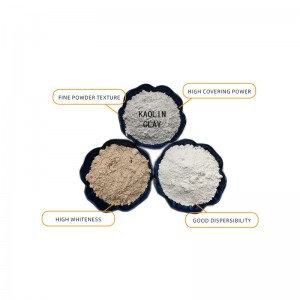
Kaolinite kaolin clay china nano white clay prices for ceramic
We can offer:
1.free sample
2.custom clearance
3.technical support
4.7*24hours service
-
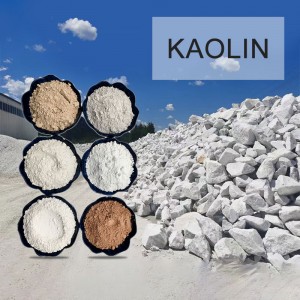
Metakaolin Powder Kaolin White Metakaolin Powder High Activity Nano Size Metakaolin for Cement
We can offer:
1.free sample
2.custom clearance
3.technical support
4.7*24hours service
-
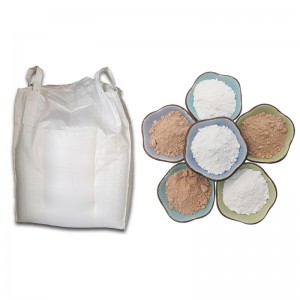
Nano metakaolin calcined kaolin model kaolin powder for cement, concrete
We can offer:
1.free sample
2.custom clearance
3.technical support
4.7*24hours service